

How to Design a Garage Organization Plan That Fits Your Space
Establishing an efficient garage organization system begins long before purchasing storage bins, wall brackets, or heavy-duty steel cabinets. Professional organizers evaluate the physical shell of the structure before implementing any configuration.
Garage dimensions dictate every storage decision, requiring a careful audit of available wall length, ceiling height, door swings, window locations, electrical outlet placement, and clearance paths.
A standard single-car garage typically measures 12 feet wide by 20 feet deep, operating under tight dimensional constraints where floor space must remain wide open to accommodate a vehicle safely while leaving room to walk past the bumpers.
Two-car and oversized garages introduce broader layout opportunities, often spanning 20 to 24 feet wide and 24 feet deep, allowing for multi-zone workstations, bulk storage cabinets, and dedicated hobby areas without squeezing vehicle doors.
The primary rule of spatial planning is that no two garages function identically. A successful layout matches the precise lifestyle, vehicle requirements, and hardware inventory of the household rather than relying on a rigid template.
Start With Your Garage Layout Before Adding Storage
Mapping out structural boundaries prevents costly installation mistakes and ensures everyday access remains unhindered.
Single-Car Garage Organization Ideas
Single-car layouts require strict vertical discipline to prevent floor clutter from trapping the vehicle inside a narrow corridor.
The strategy focuses on utilizing one primary sidewall for heavy tool storage while keeping the opposite side completely clear for walking.
The rear wall typically anchors compact shelving units or a shallow workbench.
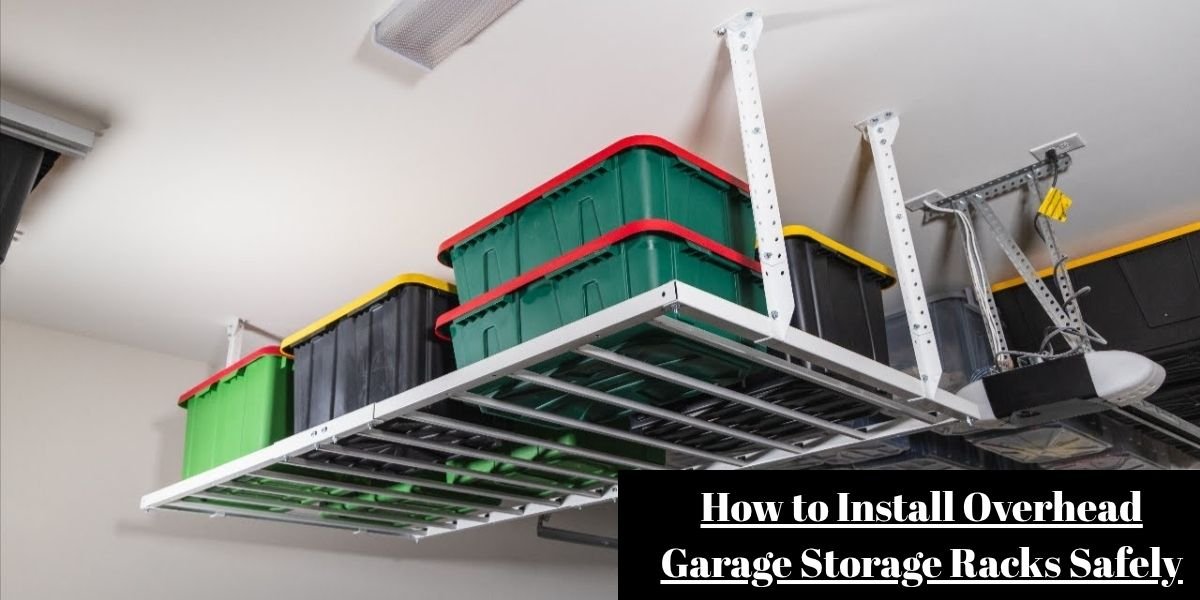
Overhead ceiling racks handle seasonal gear out of arm’s reach, ensuring daily entry paths from the house remain unobstructed.
Two-Car Garage Organization Ideas
Two-car garages provide enough square footage to divide the room into distinct operational zones across a 400 to 576 square foot footprint.
The left and right perimeters serve specialized functions, such as housing a workshop on one side and sports equipment on the other, while the deep rear wall accommodates floor-to-ceiling cabinets.
Keeping the center open guarantees that two vehicles can enter, park, and exit simultaneously without scraping mirrors or doors against protruding storage boxes.
Small Garage Organization Ideas
Compact spaces demand maximum vertical elevation and minimal floor intrusion.
Floor-standing cabinets should be avoided entirely in favor of wall-mounted tracks, fold-down worktables, and stackable clear storage bins.
Every square inch of vertical wall space acts as the primary inventory zone, keeping the ground completely visible and easy to sweep.
Large Garage Organization Ideas
Oversized and three-car structures permit robust, multi-zone configurations spanning 600 to 864 square feet or more.
These environments support dedicated mechanical workshops, extensive automotive supply stations, and massive shelving arrays.
Separate zones prevent tools, gardening machinery, and recreational items from cross-contaminating, creating a clean division between indoor home overflow and garage-specific activities.
Create Storage Zones Based on What You Actually Keep in Your Garage
Randomly placing items across available shelves invites immediate clutter. Grouping gear by functional purpose transforms a chaotic room into an efficient system.
Tool and Workshop Zone
This area belongs near electrical outlets and close to a durable workbench.
Heavy-duty tool cabinets, magnetic strips for hand tools, and pegboard walls keep wrenches, drills, and hardware visible and instantly retrievable.
Automotive Organization Zone
Positioning car care products, emergency kits, oil jugs, and tire pressure gauges near the main garage entrance or right beside the vehicle parking stall saves time during routine vehicle maintenance and seasonal tire swaps.
Lawn and Garden Equipment Zone
Lawnmowers, leaf blowers, trimmers, and long-handled rakes require heavy-duty wall hooks or corner storage stands.
Keeping these items away from delicate household goods prevents accidental damage from fuel leaks, dirt, and heavy impacts.
Sports Equipment Organization Zone
Balls, bats, helmets, and bicycles belong in an accessible family area near the main garage door.
Wire ball bins, vertical bike hooks, and open mesh shelving allow children and adults to grab gear quickly without unstacking heavy boxes.
Seasonal Storage Zone
Holiday decorations, camping gear, and winter sports equipment belong in the highest, least accessible areas of the room.
Overhead ceiling platforms and upper wall shelves keep these infrequent items out of the way until their specific season arrives.
Garage Wall Organization Ideas to Maximize Every Inch of Space
The vertical perimeter of a residential garage represents the most valuable real estate for combatting floor clutter. Leaving blank walls exposed while stacking items vertically on the ground defeats the primary objective of a streamlined parking zone.
Use One Wall as a Complete Storage Station
Consolidating gear onto a single primary perimeter wall transforms chaotic accumulation into an organized command center.
Constructing a unified workstation involves anchoring upper wall cabinets for hazardous chemicals, mounting a row of heavy-duty steel pegboards directly at eye level for everyday hand tools, and sliding modular drawer units underneath a solid hardwood workbench.
This tiered arrangement keeps heavy items anchored low while placing frequently accessed hardware right at arm’s reach.
Create a Slatwall Storage Wall
Rigid PVC or aluminum slatwall panels offer unmatched flexibility for homeowners whose equipment inventories shift constantly throughout the year.
Installing commercial systems like Gladiator GearedWall panels or Flow Wall modules creates a durable surface that accepts a vast array of snap-in hooks, wire baskets, and specialized tool brackets that can be repositioned in seconds without drilling new holes.
Hanging everything from bulky extension cords to heavy garden hoses off these slatwall systems keeps the structural framing secure while maintaining a clean, modular appearance.
Build a Pegboard Work Area
Traditional tempered hardboard pegboards remain a staple for organizing detailed DIY workspaces and precision tool arrays.
Mounting 1/4-inch thick metal or wood pegboards, such as the WallControl Steel Pegboard system, using sturdy furring strips ensures the panel sits far enough off the drywall to allow metal hooks and locking pegs to insert properly.
Grouping screwdrivers, pliers, and power tool attachments on a dedicated pegboard panel above the workbench eliminates frustrating search times during weekend projects.
Use Vertical Racks for Long Equipment
Long-handled yard tools and heavy gear require specialized vertical rack systems to prevent dangerous leaning stacks in room corners.
Heavy-duty steel track hooks anchored directly into wall studs—such as the Rubbermaid FastTrack rail system—easily support clumsy items like ladders, push brooms, square-point shovels, and landscaping rakes.
Elevating these long items off the floor protects wall drywall from impact damage while keeping access completely unobstructed.
Garage Cabinet and Shelving Ideas for Different Storage Needs
Enclosing clutter behind cabinet doors or stacking items neatly on open racks creates visual calm in an otherwise industrial space.
Floor Cabinets
Free-standing steel or heavy-duty resin floor cabinets anchor the lower perimeter, providing secure containment for heavy power tools, masonry drills, and automotive fluids.
Utilizing weather-resistant units like the Keter Premier Tall Shed or heavy-duty NewAge Products Bold Series steel lockers keeps hazardous chemicals safely away from small children and pets while protecting expensive equipment from airborne dust and moisture.
Wall Cabinets
Elevated wall-mounted cabinets utilize upper perimeter space that typically goes unused, preserving precious floor area below for vehicles and walk paths.
Installing modular units like the Craftsman Essential Series Wall Cabinet serves as an ideal holding space for paint cans, electrical supplies, and seasonal gear that requires protection from extreme temperature swings.
Open Shelving
Industrial wire shelving units and heavy-duty wooden bracket shelves offer maximum visibility and fast retrieval for everyday storage bins.
Heavy-duty wire racks like the Edsal Heavy Duty Steel Wire Shelving unit hold up to thousands of pounds, while transparent plastic tote boxes placed on the shelves allow family members to identify contents instantly without pulling down every box on the rack.
Rolling Storage Cabinets
Caster-mounted tool chests and mobile workstation carts introduce modular flexibility to large workshop areas.
Rolling chests like the Husky 46-inch 9-Drawer Mobile Workbench can be pushed directly into tight corners when parking two cars, then rolled out into the center of the room to serve as an active workspace during weekend automotive repairs.
Ceiling Storage Ideas for Items You Rarely Use
Overhead vertical space is frequently ignored in residential garages, yet it offers hundreds of cubic feet of untapped storage potential.
Overhead Racks and Ceiling Platforms
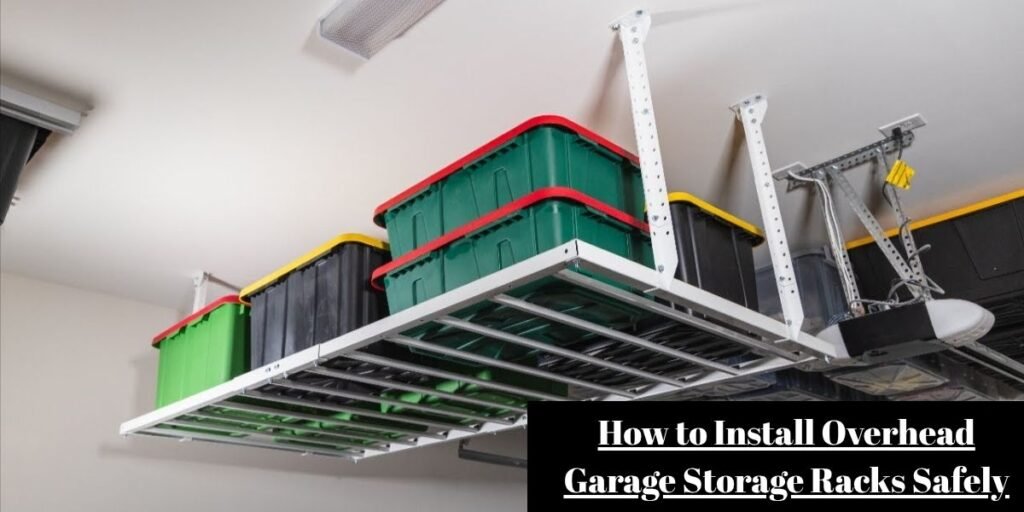
Heavy-duty ceiling storage racks suspended from roof joists utilize the dead space floating directly above garage doors and parked vehicle hoods.
Steel overhead platforms like the SafeRacks Overhead Garage Storage Rack safely support bulky plastic bins filled with holiday decorations, winter camping gear, and spare vehicle tires.
Homeowners must verify that suspended rack weight limits align with structural ceiling joists and ensure that overhead storage clearance never interferes with automatic garage door tracks or vehicle rooflines.
Hanging Bike Systems
Ceiling-mounted pulley hoists and heavy-duty steel overhead hooks allow bulky bicycles to be hoisted safely up toward the roofline.
Using systems like the Bike Lift Ceiling Hoist or RAD Sportz Cycle Lift to suspend multiple bikes vertically or horizontally overhead clears up entire perimeter walls for workbenches and shelving units while keeping two-wheelers secure during off-seasons.
Smart Garage Organization Ideas for Common Problem Areas
Every residential garage features awkward architectural dead zones that naturally attract clutter if left unaddressed. Transforming these difficult pockets requires targeted solutions tailored to specific structural layouts.
The Garage Corner
Unutilized corners frequently turn into dark dumping grounds for stray lumber, folding tables, and unruly garden hoses.
Installing modular pie-shaped corner shelves, tall triangular utility cabinets, or heavy-duty vertical corner tool racks utilizes these tight angles efficiently without blocking adjacent pathways.
The Area Around the Garage Door
The perimeter immediately surrounding the main overhead garage door experiences high foot traffic and constant mechanical movement.
Keeping this active zone clear of bulky bins is essential, restricting storage here to small flat-profile wall hooks holding lightweight items like dog leashes, reusable shopping bags, or everyday umbrellas.
The Space Above the Car
The air space directly hovering above a parked vehicle hood or trunk represents massive untapped volume.
Lightweight overhead wire racks placed securely in this zone hold bulky items like sleeping bags and duffel bags, provided the clearance allows vehicle doors and hatchbacks to open fully without striking bottom shelves.
The Space Between Vehicles
In tight two-car garages, the narrow channel separating parked cars often becomes a hazard zone for tossed sports gear and discarded footwear.
Installing ultra-slim wall-mounted organizers or shallow rolling carts that slide flat against the drywall preserves precious inch clearance for car doors to swing open safely.
How to Arrange Garage Items So Everything Stays Accessible
Organizing a space means nothing if retrieving an item requires unpacking an entire wall of boxes. Strategic tiering based on frequency of use establishes long-term functional stability.
Keep Frequently Used Items Within Reach
Everyday essentials—such as basic hand tools, athletic equipment, gardening gloves, and household cleaning supplies—belong at waist-to-eye level.
Placing these high-demand items on open shelves or middle pegboard rows ensures they can be grabbed instantly without bending down or dragging out step stools.
Store Rarely Used Items Higher
Infrequently accessed possessions like Christmas trees, Halloween displays, and specialized camping gear belong in top-tier overhead platforms or the highest shelf brackets.
Keeping these items out of prime real estate prevents daily operational friction.
Group Similar Items Together
Scattering related supplies across different corners guarantees disarray.
Consolidating all automotive maintenance fluids into one designated cabinet, grouping all gardening implements onto a single wall track, and pooling sports balls into one wire bin establishes predictable household habits.
Garage Organization Ideas Based on Budget
Achieving a clean, functional garage does not require a blank check. Effective organization scales directly to financial investment levels.
Affordable Garage Setup Ideas
Budget-friendly configurations rely on versatile hardware basics.
Heavy-duty steel wall hooks, inexpensive clear plastic storage bins, modular pegboard panels, and basic freestanding wire shelving racks create an orderly environment for under $150 to $300.
Mid-Range Garage Setup Ideas
Investing a moderate budget unlocks semi-custom organizational muscle.
Upgrading to heavy-duty powder-coated steel shelving units, commercial slatwall panel systems, and sturdy lockable resin floor cabinets delivers clean aesthetics and long-term durability for $500 to $1,500.
Premium Garage Setup Ideas
High-end garage transformations feature professional-grade built-in cabinetry, custom-fitted workbench stations, heavy-duty epoxy floor coatings, and motorized overhead ceiling lifts.
These comprehensive structural overhauls can range anywhere from $3,000 to over $8,000 depending on square footage and material quality.
Garage Organization Mistakes That Reduce Space Instead of Improving It
Avoiding common design pitfalls ensures that reorganization efforts actually expand usable square footage rather than compounding the mess.
- Installing storage without measuring: Buying bulky cabinets or overhead racks before measuring vehicle door clearance and wall stud spacing leads to blocked pathways and wasted materials.
- Blocking parking space: Protruding storage units or deep shelving that encroaches into vehicle parking stalls risks costly vehicle denting and restricted door movement.
- Putting everything on shelves without categories: Tossing miscellaneous items onto open shelves without labeling or grouping creates hidden clutter zones that quickly revert to chaos.
- Ignoring vertical wall space: Leaving upper walls completely bare while stacking heavy boxes on the floor traps valuable square footage and prevents easy floor cleaning.
- Creating inaccessible storage: Placing heavy, frequent-use items out of reach on high ceiling racks forces awkward lifting maneuvers and creates safety hazards.
How to Maintain an Organized Garage After the Setup
Building a storage system represents only half the battle; maintaining long-term order requires simple, consistent habits.
- Seasonal organization review: Conduct a thorough gear audit twice a year during spring cleaning and winter preparation to purge broken tools and expired items.
- Removing unused items: Immediately donate, sell, or discard gear that your household no longer utilizes rather than letting dead weight reclaim valuable shelf space.
- Returning items to their zones: Enforce a strict household rule that every tool, ball, and bin goes back to its designated wall hook or shelf immediately after use.
- Updating storage as needs change: Adapt your configuration dynamically as children grow out of sports leagues, hobbies evolve, or vehicle inventories shift.
Frequently Asked Questions About Garage Organization
How do I organize my garage efficiently?
Begin by sorting all belongings into keep, donate, and trash categories. Group remaining items into functional zones, maximize vertical wall space with hooks and slatwalls, and keep frequently used gear at eye level.
What is the best layout for a garage?
The optimal layout keeps the center floor completely open for vehicle parking and foot traffic, utilizing the perimeter walls for shelving, workstations, and heavy equipment storage.
How can I organize a small garage?
Focus entirely on vertical solutions by installing wall-mounted tracks, fold-down worktables, overhead ceiling racks, and stackable clear bins while avoiding bulky floor cabinets.
Should I use garage cabinets or shelves?
Cabinets work best for hiding clutter, protecting items from dust, and locking away hazardous chemicals, while open shelving provides fast visibility and easy access for everyday bins.
How do I maximize garage wall space?
Install continuous slatwall panels or heavy-duty track systems that accept interchangeable hooks, baskets, and brackets, allowing you to hang tools, ladders, and hoses off the floor.
Where should I put racks in my garage?
Place shallow shelving units along side walls where clearance permits, and reserve heavy-duty overhead ceiling racks for rare seasonal items floating above the garage door or vehicle hoods.
How do professionals organize garages?
Professionals audit spatial constraints, map out customized functional zones based on household habits, utilize heavy-duty wall anchoring systems, and implement clear labeling protocols for long-term sustainability.