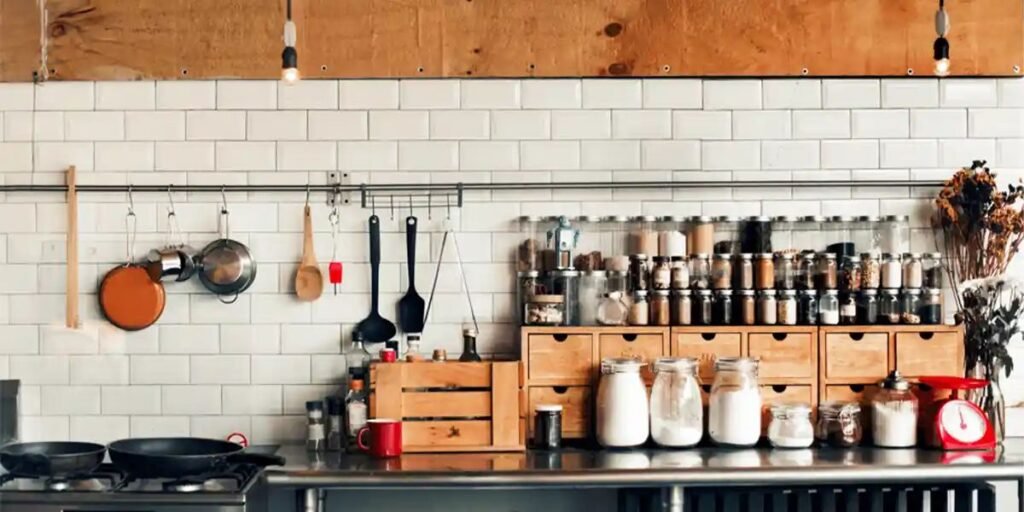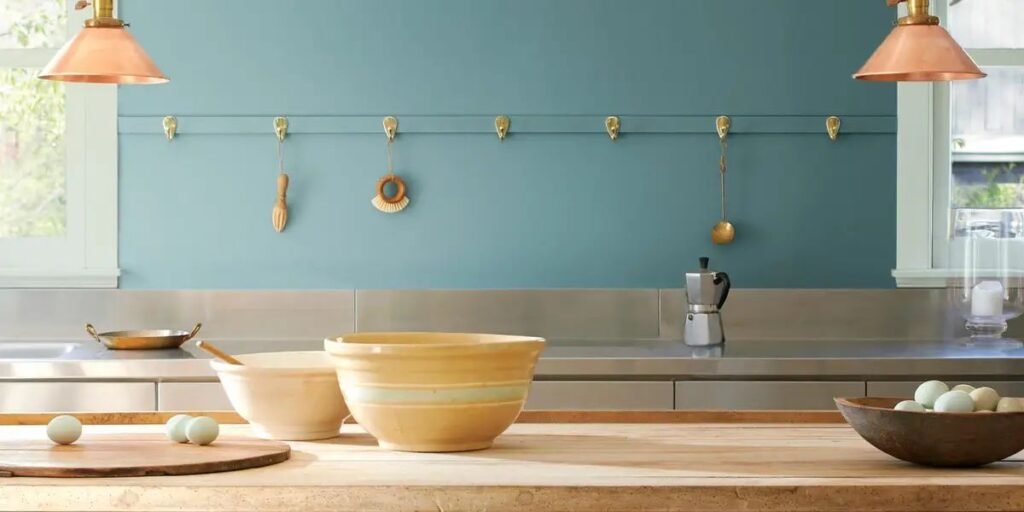

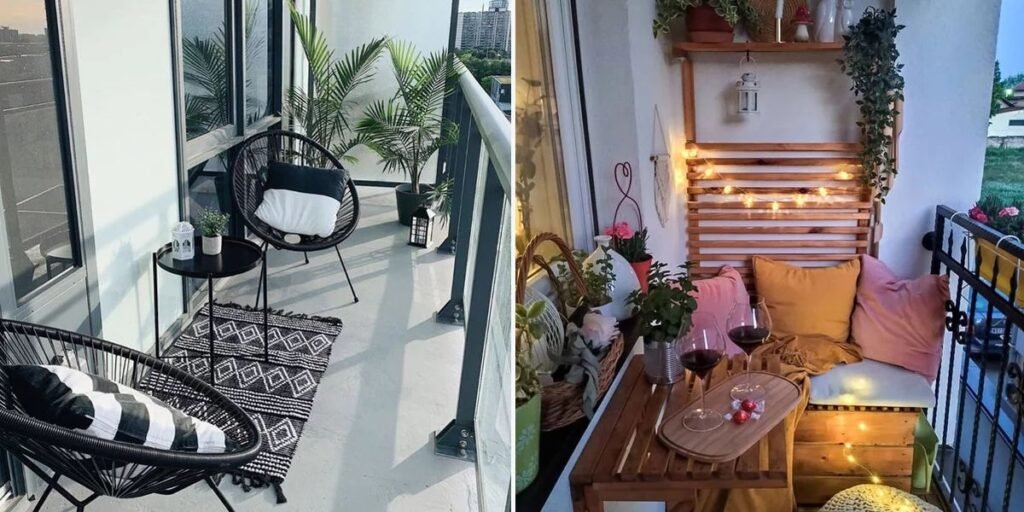
Creating a comfortable home requires balancing visual charm with the realities of daily life. Room layouts need to support physical movement, storage must accommodate household belongings, and design choices ought to respect existing budgets.
Transforming an interior does not demand knocking down walls or purchasing an entirely new suite of furniture. Thoughtful adjustments to seating arrangements, strategic lighting choices, refined color palettes, and curated decorative accents can dramatically elevate how a space feels and functions.
The phrase decoration tips decoradhouse from decoratoradvice stems from homeowners searching for home styling advice associated with these online platforms. Both websites publish interior guides aimed at helping people improve their living spaces. Combining fundamental interior design principles with actionable techniques allows you to create a beautiful, well-organized home without unnecessary expense.
What Are Decoradhouse and DecoratorAdvice?
Understanding the source of these popular decorating recommendations requires clarifying the roles of the two websites, as each operates as an independent digital publisher.
DecoratorAdvice (published at decoratoradvice.com and related domains like decoratorsadvise.com) focuses on detailed guides covering interior design, room layouts, color theory, lighting schemes, and seasonal home upgrades. Its editorial approach prioritizes actionable decorating methods over expensive structural changes.
Decoradhouse (accessible at decoradhouse.co.uk) functions as an informational home décor and home improvement blog. Its content scope extends across room styling, budget-friendly renovation guidance, outdoor patio enhancements, and practical home upgrades tailored for modern living.
The two sites frequently reference each other as digital content partners, sharing core decorating philosophies centered on utility, visual balance, and sensible budgeting. These platforms serve as informational resource hubs rather than certified interior design firms or licensed general contractors, making their advice a great starting point for gathering inspiration and planning DIY projects.
15 Decoration Tips From Interior Design Experts to Upgrade Your Home in 2026
Applying professional interior design techniques helps turn chaotic or plain rooms into cohesive, functional living spaces. These fifteen practical strategies focus on real-world application, ensuring your home looks attractive while remaining easy to maintain.
1. Identify What Your Home Needs Before Buying New Decorations
Purchasing decorative accents before assessing a room’s structural layout often leads to excessive clutter and wasted money. Take time to audit every room, evaluating existing furniture, wall paint, lighting fixtures, and available storage.
Before shopping, take time to complete the following evaluation steps:
- Measure the exact length, width, and ceiling height of the room.
- Identify areas that suffer from inadequate lighting, poor traffic flow, or visible clutter.
- Determine which current pieces of furniture can be repaired, repainted, or repurposed in another room.
- Establish a firm financial budget and prioritize updates that fix functional problems first.
2. Create a Cohesive Color Scheme That Works Throughout Your Home
A well-chosen color palette unifies connected spaces without forcing every room to look identical. Standard design guidelines suggest using a 60-30-10 ratio: 60% dominant neutral base color for walls, 30% secondary shade for upholstery or cabinetry, and 10% bold accent color for pillows, rugs, and artwork.
Always test paint swatches directly on your walls rather than relying on paper paint chips. Natural sunlight in morning hours and warm artificial lighting in the evening can alter how a paint color appears in your space.
3. Choose Furniture According to Room Size and Proportion
Mismatched furniture proportions can disrupt the balance of a room. Oversized sofas placed in compact living rooms restrict movement, while tiny accent chairs placed in large, high-ceiling spaces look out of place.
Map out the physical footprint of new furniture on your floor using painter’s tape before making a purchase. In smaller apartments, choose low-profile furniture with exposed legs to allow light to pass underneath, creating an open visual feel.
4. Arrange Furniture to Improve Movement and Comfort
A well-planned furniture arrangement encourages conversation and ensures people can walk through the house without bumping into corners.
When organizing a seating area, consider these functional guidelines:
- Maintain at least 30 to 36 inches of clear walking space along main pathways.
- Position main seating pieces within 14 to 18 inches of a coffee table for easy reach.
- Pull sofas and armchairs a few inches away from walls to give the layout breathing room.
- Anchor seating arrangements with an area rug that extends under the front legs of all major furniture pieces.
5. Use Natural Light to Make Interiors More Inviting
Natural light makes interior spaces feel larger, brighter, and more welcoming. Avoid placing tall bookcases, dark wardrobes, or heavy display cabinets directly next to window frames where they cast long shadows across the room.
Hang curtain rods 4 to 6 inches above the window frame, extending the rod wider than the window itself. This arrangement allows drapes to rest against the wall when open, exposing the glass to maximize incoming sunlight. Position wall mirrors directly across from or adjacent to windows to reflect daylight deeper into dark hallways.
6. Layer Lighting to Improve the Appearance of Every Room
Relying on a single overhead ceiling light creates harsh glare and deep shadows. A balanced interior requires three distinct layers of lighting: ambient (general overhead light), task (focused lighting for reading or cooking), and accent (soft lighting to highlight artwork or architectural features).
Use warm LED bulbs with a color temperature between 2700K and 3000K in living rooms and bedrooms to create a cozy atmosphere. Reserve cooler 3500K to 4000K bulbs for kitchen prep areas, home offices, and bathroom vanities where clear visibility is necessary.
7. Update Walls With Appropriate Paint, Artwork, and Decorative Finishes
Empty walls can make a room feel unfinished, while overcrowded gallery walls create visual distraction. Hang artwork so that the focal center of the piece sits roughly 57 to 60 inches from the floor, aligning with average eye level.
When hanging a picture above a sofa or headboard, select a piece or grouping that spans approximately two-thirds of the furniture’s width. This keeps the wall art proportional to the furniture below it.
8. Combine Textures and Natural Materials for a Warmer Interior
Neutral color schemes run the risk of looking flat or cold if they lack textural variety. Blending different tactile materials introduces warmth and depth without requiring bright, high-contrast colors.
Pair smooth finishes with rich textures across your room:
- Combine smooth hardwood or tile floors with woven wool or jute area rugs.
- Layer soft linen curtain panels alongside velvet or boucle throw cushions.
- Mix matte ceramic vases with warm natural wood furniture and subtle brushed metal fixtures.
- Place leather accent chairs near upholstered fabric sofas to create visual interest.
9. Refresh Your Living Room Without Replacing the Main Furniture
Updating your main living space does not require buying a new sofa. Simple adjustments to accessories and layout can give a living room a fresh look at a fraction of the cost.
Swap out outdated throw pillow covers and blankets for seasonal shades and patterns. Rearrange existing seating around a clear focal point, such as a fireplace, television wall, or large picture window. Clear clutter off media cabinets and coffee tables, leaving small curated groups of books, candles, or decorative bowls.
10. Make Bedrooms More Comfortable With Thoughtful Styling
The bedroom should serve as a quiet retreat built around rest and relaxation. Position the bed against a solid wall away from direct line-of-sight with the doorway whenever possible.
Choose breathable, natural cotton or linen bedding in calm, muted tones. Install dimmable wall sconces or place warm bedside table lamps to eliminate harsh overhead lighting before sleep. Keep floor areas clear of clutter by adding closed storage options, such as under-bed drawers or upholstered storage ottomans.
11. Improve Kitchen and Bathroom Interiors With Practical Upgrades
Kitchens and bathrooms are work-focused spaces where durability and easy maintenance are top priorities. Small cosmetic improvements in these areas yield immediate visual results.
Focus on these cost-effective kitchen and bathroom updates:
- Replace worn cabinet handles, drawer pulls, and faucets with matching modern hardware.
- Install under-cabinet LED strip lighting in the kitchen to brighten dark counter workspaces.
- Replace old bathroom mirrors with framed models and upgrade to moisture-resistant vanity light fixtures.
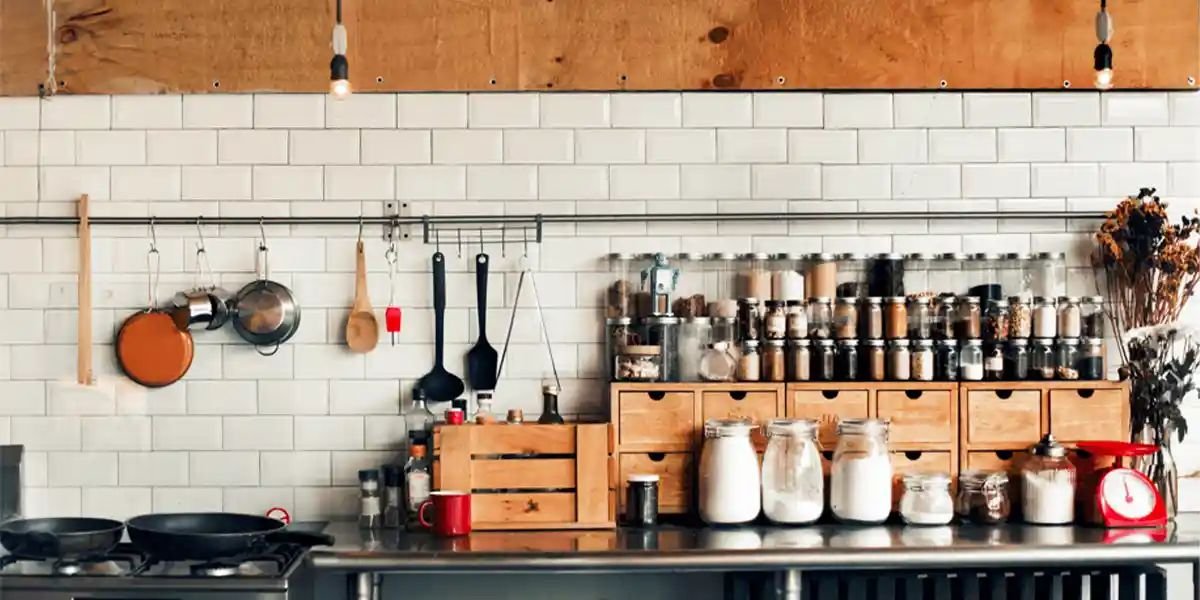
- Use matching glass jars or woven baskets to organize open shelving and vanity tops.
12. Make Small Rooms Feel More Spacious Through Better Design
Small rooms feel larger when you keep floor surfaces open and encourage light to move freely.
Select multifunctional furniture, such as nesting side tables, storage benches, or drop-leaf dining tables that fold down when not in use. Use vertical wall space for tall shelving units rather than placing wide, low cabinets that take up floor space. Paint trim, baseboards, and walls the same light color to blur visual boundaries, making low ceilings feel higher.
13. Bring Indoor Plants and Natural Elements Into Your Decoration
Incorporate living plants into your décor to introduce organic shapes, natural texture, and vibrant color.
Match house plants to the light levels of your home:
- Place low-light varieties like Snake Plants, ZZ Plants, and Pothos in interior hallways or shaded rooms.
- Position bright-light varieties like Fiddle Leaf Figs, Monstera, and succulents near south-facing or west-facing windows.
- Group plants in odd numbers (groups of three or five) using pots made from clay, terracotta, or woven seagrass.
14. Update Your Home With Affordable Furniture and Décor Improvements
Upgrading your home does not require an enormous budget if you get creative with simple updates.
Apply a fresh coat of chalk paint or wood stain to outdated coffee tables and wooden dressers. Shop thrift stores, estate sales, and vintage markets for solid wood accent furniture that can be sanded down and refinished. Swap heavy, dated draperies for lightweight linen curtain panels to instant refresh living room windows.
15. Incorporate 2026 Design Trends Without Losing Your Personal Style
Design trends offer fresh inspiration, but blindly copying them can make your home feel staged rather than lived-in. Current interior design directions focus on warm, organic minimalism, rich wood tones, vintage accents, layered lighting, and comfortable, sustainable upholstery.
Adopt design trends selectively by pairing modern elements with personal heirlooms, framed family photos, and travel keepsakes. Prioritize long-term comfort and functional layouts over short-lived fads, ensuring your home remains welcoming and practical for years to come.
Related Article: Decoradhouse Renovation Tips from DecoratorAdvice: Smart Ways to Update Your Home in 2026
Frequently Asked Questions
What is Decoradhouse from DecoratorAdvice?
The phrase refers to home decorating ideas, room layout tips, and budget-friendly renovation guidance published by the content partners behind decoradhouse.co.uk and decoratoradvice.com.
What type of home decoration advice does DecoratorAdvice provide?
DecoratorAdvice publishes guides covering color selection, furniture arrangements, natural and artificial lighting, wall art placement, small space organization, and seasonal home refreshes.
How can I upgrade my home appearance without expensive renovations?
Focus on low-cost updates with high visual impact. Rearrange your existing furniture, apply a fresh coat of paint, replace cabinet hardware, layer warm lighting, add house plants, and declutter open surfaces.
What are the most important things to consider when decorating a home?
Prioritize functional room layouts, comfortable traffic paths, appropriate furniture proportions, layered lighting, cohesive color schemes, and practical storage solutions.
Which home decoration trends are worth following in 2026?
Focus on timeless, practical trends such as warm earth-tone paint palettes, natural wood furniture, textured fabrics, dimmable layered lighting, and mixing vintage pieces with modern accents.
How can I make a small home look more attractive?
Use appropriately scaled low-profile furniture, install vertical wall shelving, use large mirrors to reflect natural light, maintain clear walking pathways, and stick to light, cohesive wall colors.
How can I decorate my home while keeping it practical?
Build your decorating plan around your household’s daily routines. Choose easy-to-clean fabrics, ensure doors and cabinets open without obstruction, provide adequate closed storage, and avoid overfilling surfaces with unnecessary knick-knacks.