
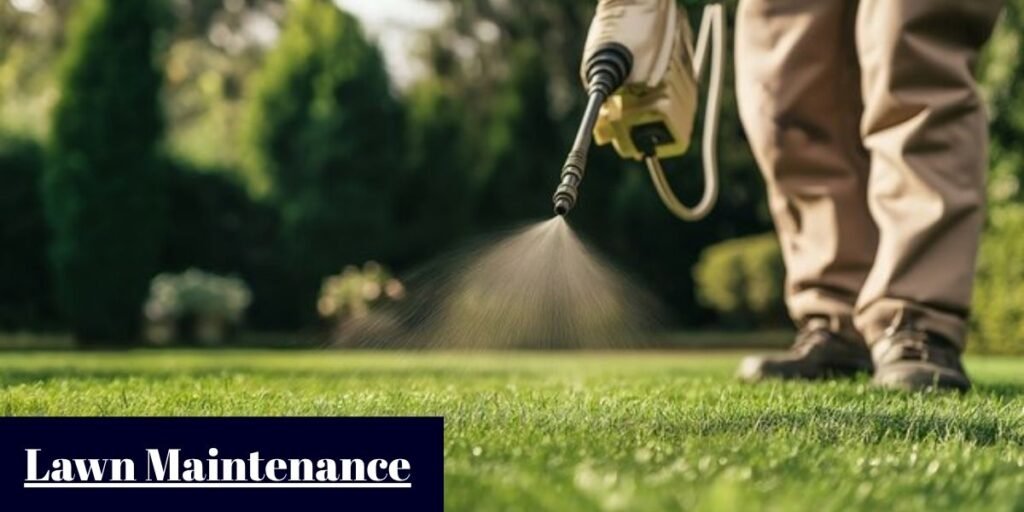
When I first started taking care of my lawn in the U.S. I honestly underestimated how much ongoing attention it really needs. I thought it was mostly mowing once in a while and maybe fertilizing a couple of times a year. But over time I realized lawn maintenance is less about individual tasks and more about staying in a steady rhythm throughout the year.
My lawn is not anything extreme. It is just a typical suburban yard with a front and backyard a few trees edging around walkways, and a small patio area where we usually sit in the evenings. It is mostly cool-season grass, which means it responds very differently depending on the season. I did hire a professional service in the beginning, when everything needed a reset, mainly aeration, soil correction, and clearing out weak patches. After that, I took over everything myself. Now it is a permanent part of my home routine.
What My Weekly Lawn Maintenance Actually Looks Like
My weekly routine changes slightly depending on the season, but during the active growth months, typically from early spring through mid-fall, the schedule remains fairly consistent. On average, I dedicate about 3 to 5 hours per week to the yard. I rarely do this all in one afternoon. Instead, I break it up into manageable sessions so it does not feel overwhelming.
Mowing is my main weekly task. I try to get out there once a week, though during the height of the summer growth spurt, I sometimes have to double back and mow twice to keep it healthy. This usually takes me about 45 to 60 minutes. I make a conscious effort to change my mowing direction every single time. This prevents the soil from compacting in the same spots and helps the grass blades grow straight.
I have also learned to keep the grass cut slightly higher than I used to. This shade the soil retain moisture and has significantly reduced the number of weeds popping up. Before I even pull the mower out, I check the grass moisture. If it is wet from morning dew or recent rain, I wait. Mowing wet grass creates a messy, uneven cut that can damage the lawn.
Edging and trimming usually happen every 7 to 10 days, taking me about 30 to 40 minutes to complete. I use a manual edger to create crisp, clean lines along the driveway and walkways. It is a small detail, but it is the one thing that makes the whole property look professionally cared for. I also use a string trimmer to clean up around fence lines, the trunks of my trees, and the edges of my garden beds.
For cleanup, I spend about 20 to 30 minutes a week removing stray sticks, small branches, and general debris. This is where my kids really get involved. They love being out in the yard, so I have them focus on collecting smaller twigs and gathering acorns or pinecones. It turns a chore into a fun outdoor scavenger hunt for them, and it actually teaches them about the local ecosystem while they help out.
Watering is my final weekly check, though it is mostly automated. I spend about 10 minutes checking the timer and sprinkler heads. I strictly water in the early morning to minimize evaporation. I have moved away from daily light watering and now focus on deep, infrequent soaking to encourage the roots to grow further into the soil.
Seasonal Reality Most People Don’t Talk About
Spring – Reset Phase
Spring is when the lawn wakes up. I spend more time evaluating the turf than doing heavy labor. The first mow of the season is always done at a slow, deliberate pace. I spend roughly 4 to 6 hours a week during this time checking for winter kill, identifying thin patches, and prepping for overseeding. A light application of fertilizer helps give the lawn a gentle push as the temperature rises. This is also the time when I refresh my garden beds. I usually pick up a few flats of Petunias or Impatiens to add a pop of color near the walkway, and I refresh the mulch to keep things looking sharp.
Summer – Maintenance Mode
Summer is a game of survival. The grass is growing steadily, but heat stress is a constant threat. I focus more on proper watering and ensuring the mower height is set high to shield the soil. I usually spend 3 to 4 hours a week here. I have learned the hard way that trying to force growth with heavy fertilizer in the heat of July usually does more harm than good. If a dry spell hits, I occasionally have to spend extra time monitoring for dormant spots that might need a little extra attention.
Fall – The Most Important Season
Fall is when most of the real improvement happens. This includes overseeding, aeration, and heavy fertilizing. Leaf management becomes a major task here. Leaf fall is a real daily issue. I have two medium-sized trees in the yard, and during peak fall season, leaves can cover the lawn within 1 to 2 days.
I handle light cleanup every 2 to 3 days and a full rake or blower session once a week. This is also when my wife usually helps with leaf cleanup, especially on weekends. I handle the heavy lifting with the blower or bagging while she helps with collecting leaves and clearing patio areas. It becomes a shared outdoor routine rather than solo maintenance. Total time spent during the fall is 5 to 7 hours per week.
Winter – Minimal Work Phase
Winter is my downtime. There is no mowing, just the occasional check to ensure no heavy debris or ice damage is affecting the dormant grass. I spend about 30 to 60 minutes a week, mostly just tidying up or prepping my tools for the upcoming spring.
Landscape Plants and My Seasonal Approach
My garden is a work in progress. I do not just maintain grass. I care for the layers that make the yard feel like a home. I have established several perennial zones. I love my Hostas in the shadier corners as they are virtually indestructible and provide a lush green backdrop. I also integrate annuals like Pansies in the spring or Mums in the fall to keep the yard looking refreshed.
The kids love helping me plant these. Letting them dig the holes with their own little shovels is a great way to get them interested in nature. It is a physical activity that is genuinely fun, and it gives them a sense of ownership over our home. My wife handles the more delicate pruning of our lavender bushes near the patio, which keeps the area smelling incredible all summer long. Caring for these plants requires minimal effort, usually just a quick check for dead leaves and occasional supplemental watering during the heat of August, but the impact on the yard’s aesthetic is immense.
The Tools I Actually Use
Lawn Mower
I made the switch from a gas mower to a battery-powered model for the sake of simplicity. I no longer have to worry about oil changes, old fuel, or struggling to get a cold engine started. It is quite consistent and perfect for my suburban footprint.
String Trimmer
This is the finishing tool. Without it, the lawn looks neglected around the obstacles. It is the best tool for keeping the fence lines and tree rings looking sharp.
Manual Edger
It requires a bit more physical effort than a power edger, but I prefer the control it gives me. It keeps the driveway and sidewalk edges crisp.
Broadcast Spreader
I learned early on that hand-spreading fertilizer leads to striping or patchy growth. A good broadcast spreader ensures that seed and nutrients are laid down evenly across every square inch of the yard.
Leaf Blower and Rake Combination
The blower is a lifesaver for getting the bulk of the leaves off the grass, but I still rely on a sturdy rake for getting into corners and preparing the soil before I overseed.
Soil Test Kit
This was a game changer. I used to guess why certain parts of my yard struggled. The test kit revealed my specific pH issues and nutrient imbalances, allowing me to treat the soil rather than just the grass.
What I Learned the Hard Way
Most of the time, the problems I saw on the surface were just symptoms of issues hidden deeper in the soil. I have realized that lawn care is not about quick fixes. It is about prevention.
- Cutting too short exposes the soil to the sun, drying it out and giving weeds an open invitation to sprout.
- Shallow watering with daily light sprays keeps the roots at the surface where they are vulnerable to heat.
- Ignoring soil health means that if the soil is compacted or lacks nutrients no amount of water will make the grass thrive.
- Poor timing when fertilizing means that if you apply nutrients when the grass is not actively growing, it is just wasted effort.
Small Improvements That Changed Everything
I did not need a total landscaping overhaul to see results. Small strategic changes made a world of difference.
- Irrigation Timer: I installed a basic timer so I do not have to remember to turn the water on and off every morning.
- Solar Lighting: I added solar pathway lights to the front, which makes the yard look finished and welcoming in the evening.
- Expanded Flower Beds: Adding those Hostas and Daylilies reduced the amount of grass I have to mow and created nice focal points that are much easier to manage than a giant rectangle of turf.
- Consistent Edging: I committed to being more consistent with my edging. It is amazing how much a clean line improves the perception of the whole lawn.
Final Thoughts
Now lawn maintenance feels like part of normal home life rather than a separate dreaded chore. It is not about achieving some impossible standard of perfection. It is about having a healthy, usable space that fits our lifestyle. Most of the improvement did not come from expensive products or complex gadgets. It came from understanding the timing of the seasons, maintaining consistency, and simply paying attention to how the grass reacts over time. Real lawn care is not about the effort you put in during one big weekend. It is about the steady, quiet care you spread across the entire year.