
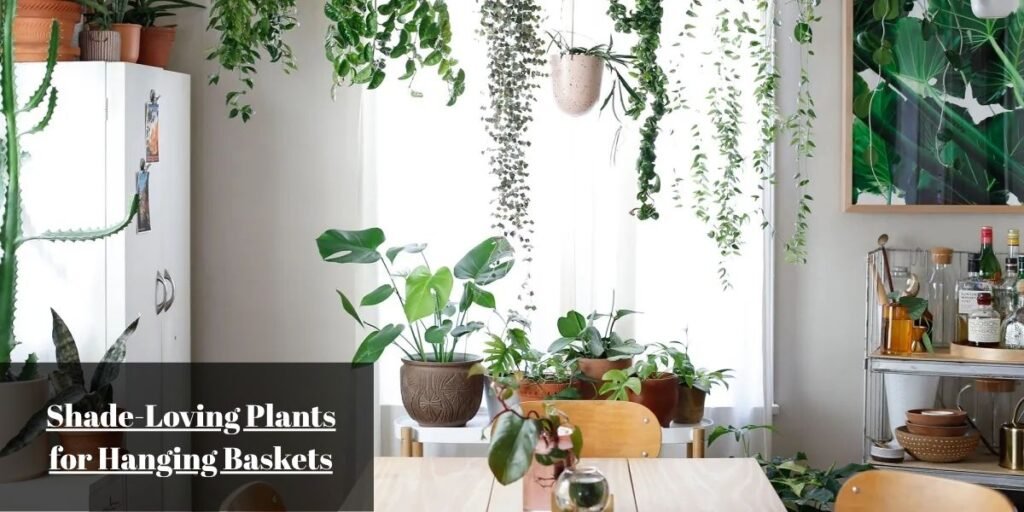
Walk into almost any room or step out onto a covered balcony, and the overhead void immediately stands out. Living spaces usually feature meticulously arranged sofas, positioned coffee tables, and potted floor plants tucked into sunny corners, yet the upper half of the environment remains completely bare. Cold concrete railings, empty drywall hooks, and dark porch rafters leave a home feeling unfinished. Ground-level space gets crowded quickly, but vertical real estate remains wide open.
Hanging baskets serve as the single best design trick for reclaiming that neglected area, lifting lush foliage straight into your natural eye line. Matching the plant to the actual light reading of a spot, rather than the light you wish it had, determines whether a basket thrives all season or becomes sparse by mid-summer.
Lighting is the primary hurdle. High overhangs, north-facing walls, and recessed interior nooks rarely see more than an hour or two of bright, filtered sun daily. Horticulturists typically classify this as 100 to 1,000 foot-candles, well below the 2,500-plus foot-candles that sun-loving annuals need to hold their form. Hang a sun-hungry species in low light and it quickly stretches, stops blooming, and drops leaves. The key to a lush cascade lies in shade-tolerant species that thrive in ambient indirect light while offering bold texture, vibrant color, and graceful form.
Here are 15 exceptional choices for turning shadowy overhead spots into striking living accents.
1. Begonia
For massive visual impact without harsh direct sun, begonias are absolute royalty. They do not merely tolerate low light, as direct sunlight actively scorches their soft, juicy stems and burns tender petals. The genus was first classified in 1690 by French botanist Charles Plumier, who named it after his patron Michel Bégon. It has since expanded into one of the largest plant genera on Earth, featuring over 1,700 recognized species. The heavy, rose-like blooms drop forward under their own weight, making them a top choice for overhead planters. Hanging them at head height, roughly 5 to 6 feet off the ground, exposes the intricate, ruffled blooms rather than the top of the potting mix.
The selected variety completely shifts the personality of a space. Tuberous begonias (Begonia × tuberhybrida) represent the classic choice for high-spilling flower power, dumping loads of coral, crimson, or buttery yellow petals over the basket rim from June through the first fall frost. Blooms can stretch 4 to 6 inches across in cultivars like the Nonstop and Fortune series. For complex leaf patterns, Rex begonias bring metallic silver swirls, deep plum rings, and frosted green edges. Modern boliviensis hybrids such as Bossa Nova and Santa Cruz Sunset add superior heat tolerance for humid porches.
Placing a pendulous begonia basket in a shaded porch alcove instantly breaks up the boxy feel of exterior walls. Indoors, hanging one near an east-facing window brings rich, velvety color to a bright hallway where typical outdoor flowering plants would stall. Keep the soil evenly damp like a wrung-out sponge, but never waterlogged. Their succulent stems and shallow tubers rot quickly when sitting in stagnant water, which remains the primary reason begonia baskets fail.
2. Fuchsia
Fuchsias resemble miniature upside-down ballerinas suspended in mid-air. Dangling, teardrop-shaped flower buds split open to reveal layers of contrasting petals, often pairing deep purple skirts with neon-pink coats or stark white centers with crimson outer sepals. Because every bloom points downward, growing them in a flat garden bed completely hides their beauty. They evolved under closed forest canopies across the cool, cloud-forest slopes of Central and South America, making them naturally suited for hanging baskets.
That native habitat explains why high heat is their enemy. Once daytime temperatures consistently climb past 80°F to 85°F, fuchsias pause flower production entirely and often drop buds. They demand deep, cool shade, shelter from whipping balcony winds, and steady moisture. Most growers maintain a root zone between 55°F and 75°F, which is why fuchsias thrive in coastal climates and shaded microclimates.
- Placement: Hang a trailing cultivar like Dark Eyes or Marinka directly over a shaded balcony seating area to create a dense canopy of color overhead.
- Maintenance: Pinch off faded seed pods every few days to force continuous flower buds through autumn instead of diverting energy into seed production.
3. Impatiens
Where most flowering plants become sparse, weak, and leggy in low light, impatiens excel in full shade. They rank among the most dependable options for shaded spaces because they bloom reliably where almost nothing else will, packing tight, rounded mounds with velvety flowers that cover the basket frame.
Impatiens walleriana creates a low, dense cloud of flat blooms in pastel pink, vivid orange, deep violet, and pure white, typically topping out at 10 to 14 inches. New Guinea impatiens (Impatiens hawkeri) offer significantly larger, thicker leaves and heavy, wide-petaled flowers that hold up well against heavy summer humidity or brief patches of morning sun. Downy mildew impacted common bedding impatiens in North American nurseries during the early 2010s, leading many growers to default to New Guinea hybrids or mildew-resistant series like Bounce for outdoor baskets.
Impatiens require consistent root moisture. If the potting mix dries out completely, the plant drops its leaves within a single hot afternoon. Keep the soil damp, and an impatiens basket suspended near a dark covered entryway will bloom continuously from spring until the first freeze.
4. Boston Fern
When a space feels cluttered or chaotic, the long fronds of a Boston Fern (Nephrolepis exaltata) bring immediate calm. It forms a feathery ball of rich emerald green that cascades 2 to 3 feet below the base of the container. A mature specimen in a 14-inch basket can weigh well over 20 pounds once fully hydrated, requiring sturdy ceiling hardware.
Unlike flowering baskets that require constant deadheading and feeding, a Boston Fern relies purely on foliage volume. The arching fronds move with minor air currents, softening concrete balcony edges and rigid building lines. It remains hardy outdoors year-round in USDA zones 9 through 11, though most gardeners grow it as a seasonal porch plant or move it indoors before frost hits.
Ambient moisture keeps a Boston Fern full all the way around. They thrive in humidity levels between 50% and 80%, performing exceptionally well on covered outdoor porches protected from wind or inside bright, steamy bathrooms. If the air drops too dry, the leaflets shed and leave a pile of brown needles below. Misting the fronds regularly or hanging the basket near a bathroom window keeps the foliage dense and crisp.
5. Spider Plant
The Spider Plant (Chlorophytum comosum) serves as a highly adaptable choice for indoor overhead spaces. It features arching, ribbon-like leaves that fountain outward from the center, but its real magic happens as the plant matures. It shoots out long, wiry runners called stolons that produce small white star flowers, quickly followed by dozens of tiny plantlets or spiderettes. These hang like living mobiles below the main basket, and each can be snipped off and rooted in water within two to three weeks.
Variegated varieties such as Vittatum and Variegatum feature bright white or cream stripes running down the center of each leaf, acting like visual reflectors in dark corners to bounce ambient light around.
- Light Requirements: Thrives in bright indirect light, but tolerates moderate indoor shade without dropping leaves.
- Watering Needs: Thick, tuberous roots store water efficiently, allowing the basket to survive a missed watering without visible stress.
- Design Use: Ideal for a ceiling hook over a reading nook or suspended high in an open-concept kitchen where the trailing plantlets create visual interest.
6. English Ivy
For dramatic vertical length that drapes several feet downward, English Ivy (Hedera helix) provides a classic look. Its woody, trailing stems form a dense green curtain, making it ideal for disguising downspouts, softening concrete posts, or framing a shaded patio edge. Foliage textures vary from traditional dark green forms to variegated cultivars like Glacier, which feature silver-gray centers bordered by crisp white margins.
One important regional consideration applies to this species: English ivy tolerates heavy shade that causes other vines to drop leaves, but it spreads aggressively in natural ecosystems. It has been classified as an invasive species in several regions, with states like Washington banning its sale and distribution due to tree damage and native habitat loss when it escapes cultivation. In areas with mild, wet winters, keep it strictly contained inside a basket away from open soil, or opt for a non-invasive trailing alternative.
Where appropriate to grow, the vines easily reach 3 to 6 feet in length inside a basket over a single season. Trimming the stem tips twice a year forces the base of the plant to push out fresh side shoots, preventing the top of the basket from thinning as the lower vines lengthen.
7. Coleus
Coleus (Plectranthus scutellarioides) redefines shade gardening by replacing standard green foliage with bold splashes of velvet magenta, lime green, deep burgundy, copper, and neon pink. You get the color punch of a high-maintenance flowering plant, but because the color comes directly from the leaves, it never goes through an off-season or stops displaying.
While older outdoor varieties grew strictly upright, modern trailing types branch out horizontally before spilling over the container edge. Popular options for baskets include the Trailing Plum Brocade and ColorBlaze series.
Pinch off the top growing tips when the plant is young to encourage a bushy shape. If small blue-lavender flower spikes emerge in late summer, snap them off immediately. Allowing coleus to set seed signals that its lifecycle is ending, causing the leaves to fade and drop. A hanging basket filled with two or three contrasting coleus varieties creates a bright focal point on a light-deprived balcony.
8. Torenia (Wishbone Flower)
Torenia is an exceptionally reliable annual for shaded hanging baskets. Commonly called the Wishbone Flower because its inner stamens fuse in a shape resembling a wishbone, this plant produces hundreds of velvety trumpet flowers, each about 1 inch across, on low, creeping stems that reach 8 to 12 inches in height.
The blooms feature intense bicolor combinations, including deep violet with purple throats, pale lavender with yellow markings, and soft rose-pink with burgundy edges. Basket-friendly series like Catalina and Summer Wave were bred specifically for heat and humidity tolerance, setting Torenia apart from petunias that deteriorate in cool, poorly ventilated environments.
It maintains a compact, trailing habit that stays low in the basket while weaving through neighboring foliage. Hanging a Torenia basket on a shaded porch introduces a light texture to eye level, and it continues flowering through late-summer humidity when other shade annuals stall.
9. Bacopa
Bacopa (Sutera cordata) functions as a classic trailing filler plant. It produces hundreds of small five-petaled white, pink, or lavender blossoms, each roughly 0.5 inches wide, set against a backdrop of small, rounded green leaves.
Rather than acting as a standalone focal point, Bacopa works best to frame other shade plants. Its thin stems wrap around the rim of a hanging basket and cascade 12 to 18 inches downward, creating a soft border around larger plants like begonias or coleus.
- Deadheading: Unnecessary, as spent flowers drop off on their own.
- Bloom Period: Continuous from spring through the first autumn freeze.
- Water Sensitivity: High. Never allow the root ball to dry out completely, as a single day of drought causes the plant to drop its buds, requiring up to two weeks of consistent moisture to recover.
10. Heuchera (Coral Bells)
Traditionally planted in ground beds as a border edger, Heuchera in a hanging basket allows you to appreciate its leaf coloration from a higher vantage point. The foliage forms a dense mound of ruffled leaves, typically 10 to 14 inches across, coming in shades of caramel, plum, peach, bright lime, and deep chocolate.
The ruffled, metallic-sheened leaves retain their color all season. In early summer, delicate flower spikes rise above the foliage crown on wiry stems that attract hummingbirds. Heuchera is cold-hardy across USDA zones 4 through 9, making it a rare shade option that survives cool shoulder seasons outdoors without dying back when night temperatures drop into the 40s. Combining a dark plum Heuchera such as Palace Purple with light trailing vines creates strong visual contrast without relying on short-lived flowers.
11. Creeping Jenny
When you need a bright, fast-growing vine to spill straight over a basket edge, Creeping Jenny (Lysimachia nummularia) delivers immediate length. The popular variety Aurea features bright chartreuse, coin-shaped leaves arranged in pairs along thin stems. Small yellow cup-shaped flowers appear sporadically through summer, though the glowing foliage remains the main draw.
In a single season, these stems can trail 2 feet or more, creating a bright curtain of foliage. Hanging Creeping Jenny in front of a dark brick wall or dark wooden balcony railing creates striking contrast, brightening shadowy nooks without direct sunlight. The straight-species Lysimachia nummularia can be invasive near natural wetlands in parts of the Northeast and Midwest, so verify local guidelines before planting where it could reach open soil; Aurea is less aggressive but should still be kept contained.
The plant is resilient as long as it receives ample moisture. Keep the soil damp, and Creeping Jenny will thrive in everything from medium indoor shade to dappled outdoor light across USDA zones 3 through 9.
12. Tradescantia
For indoor spaces, Tradescantia brings rich metallic sheen and geometric leaf patterns to overhead hooks. Tradescantia zebrina features leaves with shimmering silver outer bands, a deep green center, and a vivid magenta underside that catches light from below. Tradescantia pallida, commonly called Purple Heart, offers solid deep purple stems and narrow foliage.
Tradescantia grows quickly, adding 12 or more inches of new vine growth in just a few weeks under optimal conditions. Hanging it near a window with bright, indirect light keeps the leaf patterns sharp and saturated. If light levels fall too low, the purple and silver hues fade to a dull green, indicating it should be moved closer to a light source.
Propagation is simple: a 4-inch stem cutting roots in a glass of water within one to two weeks, making it easy to fill out a sparse basket over time.
13. String of Turtles
If you prefer detailed foliage over large leafy masses, String of Turtles (Peperomia prostrata) serves as a distinct indoor accent plant. It features fleshy, button-like leaves, each barely 0.5 inches across, strung along thin creeping vines. Each leaf is etched with light green and silver veins that mimic the shell pattern of a miniature turtle.
This slow-growing collector plant adds just a few inches of vine growth per month. It looks best hung where it can be viewed up close, such as directly over a desk or adjacent to an indoor window frame.
- Potting Needs: Requires small, shallow hanging pots no more than 4 to 6 inches deep due to its shallow root system.
- Lighting: Performs best in bright indirect light.
- Watering: Allow the top half of the potting mix to dry out completely between waterings to prevent root rot in its delicate stems.
14. Maidenhair Fern
Maidenhair Fern (Adiantum) offers a light, airy texture that contrasts sharply with the heavy fronds of a Boston Fern. It features wire-thin, ebony-black stems lined with fan-shaped, bright green leaflets called pinnae that flutter in gentle breezes. Adiantum raddianum is widely cultivated as a houseplant specifically for this delicate aesthetic.
Because the leaflets are thin, they crisp quickly if exposed to hot drafts, low humidity, or dry soil. Air humidity below 40% often triggers rapid leaf drop. Maidenhair Ferns thrive when hung in a bright bathroom where shower steam provides natural humidity, or in a sheltered outdoor nook protected from wind. Keeping the root ball consistently damp ensures the foliage stays vibrant and soft.
15. Pothos
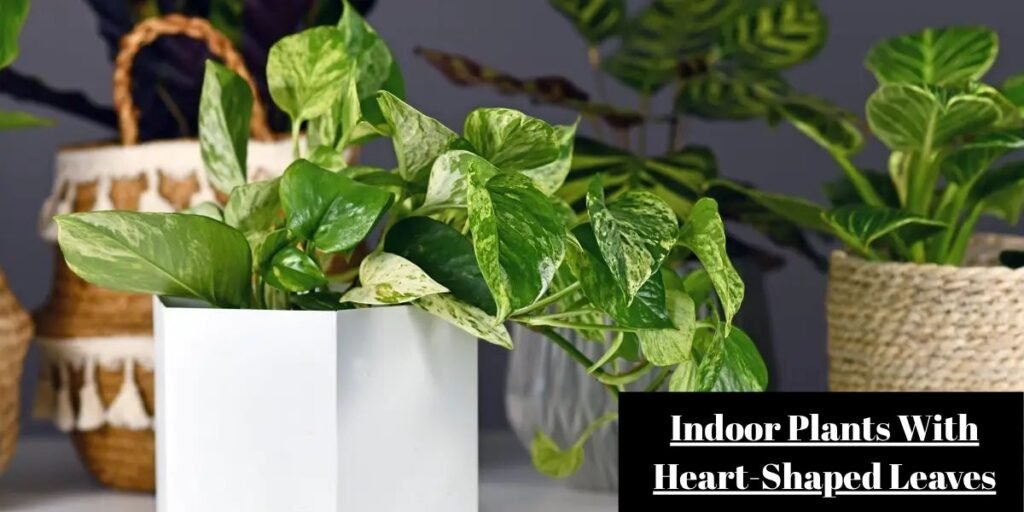
Pothos (Epipremnum aureum) is the ultimate low-maintenance indoor trailing plant. It handles low-light conditions better than almost any other houseplant, pushing out thick, heart-shaped leaves on sturdy vines that can grow past 6 to 8 feet indoors over a couple of years.
- Golden Pothos brings classic dark green leaves brushed with warm yellow streaks.
- Marble Queen offers dramatic cream and white variegation, growing slightly slower due to reduced chlorophyll.
- Neon Pothos introduces solid lime-green foliage that retains its bright color even in dimmer rooms.
Pothos excels at bringing greenery to spots where other species fail. Hang it from a ceiling anchor in an open corner, thread the long trailing vines along a high curtain rod, or let it spill over the edge of a tall bookshelf. It tolerates missed waterings, dry indoor air, and low ambient light for extended periods while continuing to trail downward.
Give Empty Corners a Living Focal Point
Utilizing the vertical space in your home alters how the entire environment feels. A well-placed hanging basket lifts color, softens hard architectural lines, and draws the eye upward, making compact balconies and interior rooms feel larger and more balanced.
By matching shade-tolerant plants to your specific ambient light levels, you can transform bare porch beams, blank drywall corners, and empty balcony rails into vibrant, cascading focal points that outperform sun-only options in low-light conditions.