
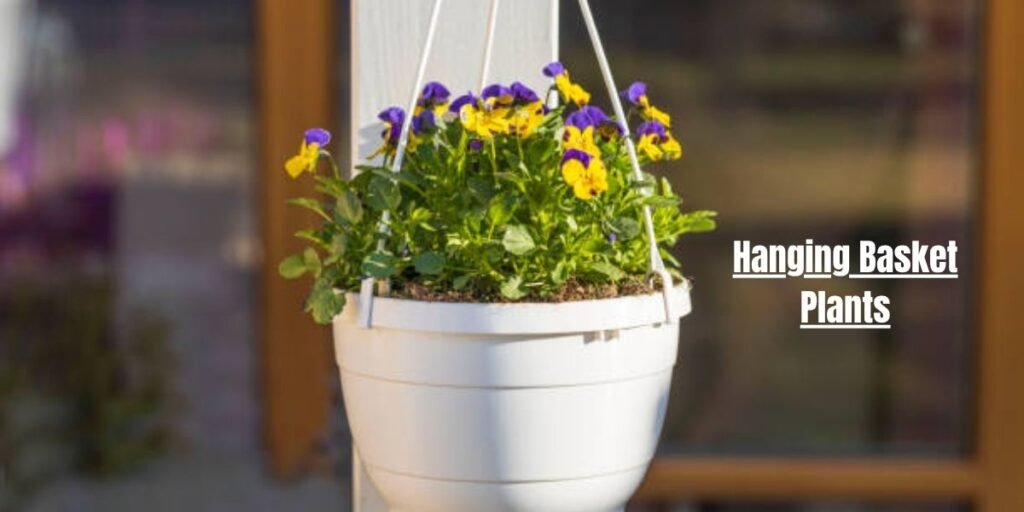
Plants in my house make a beautiful connection with nature and make my home feel alive. I love caring for them and and make them happy so they grow better, bloom, and fill my home with beauty and freshness.
However, it’s common to grow plants in pots and indoor gardens at home. But today I am going to share 12 of the most beautiful plants and my top pick for hanging baskets.
In today’s list, I will include only those plants that love shade, and you can easily grow them in hanging baskets on your patio, balcony, porch, or other shady areas where sunlight is limited or very low.
Most people automatically assume that every flowering container plant needs baking in direct summer sun to look its best. When your outdoor architecture consists of deep roof overhangs, north-facing walls, or shaded urban balconies, standard sun-loving varieties quickly stretch out, drop their buds, and fail
That is why I rely on specific shade-adapted species that naturally thrive without harsh solar exposure.
I have personally tested and observed how these selections perform in vertical containers, balancing cascading growth habits with reliable foliage and flower production.
So let’s start with the first one of my picks.
1. Begonias
Begonias are absolute workhorses in my shaded container arrangements because they effortlessly combine vibrant flowers, glossy foliage, and stubborn shade tolerance.
When I want to instantly inject brilliant reds, soft pinks, or crisp whites into a dark porch corner, tuberous and cascading begonias are my immediate go-to choice.
Their fleshy, pendulous stems naturally arch and spill over the rim of a basket under the heavy weight of double or single blossoms.
They truly excel in indirect or filtered light, but exposing them to scorching afternoon sun will quickly burn their delicate leaves and dry out their root systems.
To keep them thriving, I always maintain an evenly moist potting mix, watering thoroughly whenever the top inch feels dry while ensuring the container never sits in standing water.
A healthy begonia will reward your care with unbroken color from late spring right through the arrival of autumn frost.
If you are looking to source quality starter tubers or hanging basket starter plugs, local independent nurseries often carry superior acclimatized varieties, while online specialty growers like Logee’s or established plant platforms offer unique cascading cultivars that you rarely find in standard big-box retail centers.
2. Fuchsia
If the main reason I am hanging a basket is to enjoy dramatic flowers falling over the edge, fuchsia is one of the first plants I consider.
The intricate, pendulous blossoms look like tiny colorful lanterns suspended in midair, featuring contrasting sepals and skirts that catch the eye immediately.
Because of this unique downward-facing structure, fuchsia looks breathtaking when viewed from below on an elevated porch or second-story balcony.
They demand cooler, sheltered microclimates and thrive in deep shade or bright indirect light away from punishing heat waves.
I find that a covered porch protects these delicate blooms from drying winds and intense thermal spikes much better than an exposed patio.
Moisture management requires vigilance because they hate drying out completely, yet their root systems rot instantly in heavy, un-drained soil.
Routine deadheading and light pinching of the growing tips encourage tighter branching and a much heavier canopy of flowers all season long.
When shopping for fuchsias, look for well-established hanging pots rather than tiny starter cells, as they establish much faster in vertical containers; local garden centers usually stock blooming specimens right around mid-spring.
3. Impatiens
When I am dealing with heavily shaded zones that receive almost zero direct sunlight, standard impatiens remain the most dependable flowering plants available.
They produce dense masses of flat, vibrant petals that completely obscure the mounding green foliage, turning a simple hanging basket into a brilliant sphere of color.
There is a distinct difference between bright shade, which enjoys soft morning ambient light, and deep, dark shade under heavy tree canopies where light levels drop significantly.
While they tolerate low light remarkably well, extremely dark corners will cause them to stretch and reduce their overall bloom count.
Keeping them consistently watered is non-negotiable because their succulent stems wilt rapidly if allowed to experience prolonged dry spells.
They work brilliantly when your primary design goal is a solid, uninterrupted ball of vibrant color rather than loose, trailing foliage.
You can easily purchase flats of impatiens economically from almost any regional nursery or home improvement store, but make sure to check for disease-resistant strains like the New Guinea series if your shade area tends to stay damp and humid.
4. Bacopa
When I want to soften the outer edges of a container with something delicate and airy, bacopa is usually my top choice.
Unlike the bold and upright appearance of impatiens, this charming plant produces masses of tiny, star-shaped flowers that cascade downward in soft blankets of white, pink, or blue.
Its slender trailing stems weave gracefully over the rim of a hanging basket, creating an effortless, overflowing look that instantly elevates simple patio decor.
Bacopa performs best in bright shade or part shade rather than pitch-dark corners, as it still needs a gentle amount of ambient light to encourage continuous blooming.
Because of its delicate root system and fine foliage, keeping a close eye on moisture is essential.
If the potting mix dries out completely even once during a warm afternoon, the plant can suffer severe stress and drop its delicate blossoms.
I make sure to water my bacopa baskets deeply whenever the soil surface feels dry to the touch, pairing it with a rich, well-draining organic medium.
When purchasing bacopa, inspect the root ball at the nursery to ensure it is not root-bound in tiny plastic pots, as young plants with healthy, active root systems transplant much better into hanging baskets.
5. Lobelia
Lobelia brings a remarkably intense splash of color to shaded hanging baskets, particularly because it offers some of the deepest true blues found in the plant kingdom.
The compact mounding habit combined with delicate trailing stems makes it an exceptional choice for the outer perimeter of a container, where its vivid flowers can spill over the edge.
It thrives best in cooler shade or morning-sun locations, making it a fantastic addition to east-facing porches or covered balconies that escape the punishing afternoon heat.
When summer temperatures skyrocket, lobelia can sometimes slow down its flower production, so providing a sheltered, breezy, and shaded microclimate helps prolong its peak performance.
Keeping the soil consistently damp without drowning the roots keeps the plant looking fresh and vibrant rather than woody and sparse.
Positioning a lobelia basket where people can view it up close or from slightly below allows everyone to appreciate the intricate detail of its tiny, jewel-toned blossoms.
If you want seeds or starter trays, specialized seed houses like Johnny’s Selected Seeds offer unique trailing varieties, though buying pre-started basket fillers from a local greenhouse in early spring is usually the most foolproof route for immediate impact.
6. Coleus
Not every hanging basket needs to rely on flowers to make a visual statement, and coleus proves that foliage alone can completely steal the show.
Shade is actually a wonderful environment for many coleus cultivars, as direct afternoon sun can bleach out their vibrant pigments, whereas filtered light intensifies their rich burgundy, lime green, deep copper, and hot pink patterns.
For hanging baskets, I specifically look for trailing or trailing-mounding varieties like Trailing Queen or compact selections that naturally cascade over the edges rather than shooting straight up.
By pinching out the growing tips early in the season, I encourage the stems to branch out sideways, resulting in a dense, lush hemisphere of multicolored leaves.
They require moderate watering and appreciate a balanced liquid fertilizer during active summer growth to maintain their striking coloration.
Using coleus in a shade basket introduces wonderful contrast against traditional green ferns and flowering companions, giving your outdoor living space a professionally curated designer look.
You can find specialized coleus cuttings and plugs online through mail-order nurseries or pick up robust young plants at nearly any local garden center during the warmer planting months.
7. Ferns
When a porch or patio corner receives very little natural light and flowering plants struggle to survive, ferns offer a lush, timeless solution.
The classic Boston fern is a legendary favorite for hanging baskets because its long, feathery fronds create an instantly full, dramatic display that screams classic southern hospitality.
They thrive beautifully in protected, shady environments like covered porches and north-facing patios where harsh, drying winds and direct sun cannot scorch their delicate foliage.
Because ferns are native to damp, humid forest understories, they demand consistent moisture and high humidity to prevent their fronds from turning brown and crisp at the edges.
I make sure to check my fern baskets daily during hot spells, often giving them a refreshing misting alongside a thorough watering.
Their rich green textures provide a wonderful cooling visual effect during the peak of summer, proving that you do not need flowers to create an exceptional hanging display.
Large, mature Boston ferns are widely available at local home improvement stores and supermarkets every spring, making them one of the easiest instant-gratification plants you can buy for a shady porch.
8. Caladium
Caladiums introduce an exotic, tropical flair to shaded outdoor areas with their enormous, heart-shaped leaves painted in striking combinations of white, pink, rose, and deep green.
When dealing with deep shade under heavy patio covers or dense trees where flowers simply refuse to bloom, caladium tubers become my secret weapon for guaranteed color.
They thrive in warm weather and bright shade, making them an ideal mid-summer addition to protected outdoor spaces.
While they appreciate consistent moisture in their potting mix, they prefer well-draining soil so that the tubers do not rot during prolonged rainy spells.
Because caladiums grow from tubers planted in late spring, they emerge slowly as the weather warms up, offering a dramatic transformation from bare soil to a lush, full canopy of tropical foliage.
Pairing them with finer-textured trailing plants in a large hanging basket creates a stunning contrast of leaf sizes and shapes.
You can purchase bulk caladium bulbs online from trusted horticultural suppliers or buy potted specimens from a local nursery once summer temperatures have stabilized.
9. English Ivy
For a classic, reliable trailer that maintains its lush appearance throughout the changing seasons, English ivy is an exceptional choice for shaded hanging baskets.
Its vigorous trailing stems can cascade downward for feet, creating elegant, sweeping lines that soften the rigid edges of balconies and architectural posts.
Ivy is remarkably adaptable, tolerating deep shade, poor soil conditions, and occasional neglect much better than fragile flowering annuals.
However, to keep the basket looking full and healthy rather than stringy and sparse, I make it a habit to regularly pinch back the longest vine tips to encourage branching near the crown of the plant.
It prefers evenly moist soil that drains well, though established plants can handle minor dry spells without collapsing.
While it is hardy in many climates, it is always wise to check local guidelines regarding its growth habits in your specific region before planting it outdoors.
English ivy is inexpensive and readily available in small pots at virtually any garden center, hardware store, or plant boutique.
10. Torenia
Torenia, commonly known as the wishbone flower, offers a delightful alternative for gardeners who want unique blooms without relying on standard impatiens or begonias.
Its trumpet-shaped flowers feature contrasting throats that resemble tiny bird wishbones, coming in charming shades of violet, blue, burgundy, and bright yellow with pale markings.
They perform wonderfully in part shade to full shade locations, making them an ideal fit for shady patios and protected entryways.
Torenia prefers moist, rich potting soil and does not tolerate drying out completely, so keeping a consistent watering routine is vital for healthy performance.
Their semi-trailing habit allows them to sit comfortably near the edge of a hanging basket, where their unusual flowers invite close inspection from anyone walking by.
They add a sophisticated, whimsical touch to shade containers that standard bedding plants simply cannot replicate.
Look for Torenia seedlings at independent local greenhouses or specialized annual growers during peak spring planting season.
11. Angel Wing Begonia
While standard begonias were featured earlier, the Angel Wing begonia deserves its own dedicated spot because of its striking architectural presence in a container.
Named for the distinctive asymmetrical, wing-shaped leaves adorned with silver spots, this plant provides year-round foliage interest paired with pendulous clusters of bright pink or red flowers.
Its upright-to-arching growth habit makes it the ultimate centerpiece plant for a large hanging basket, acting as the structural anchor while smaller trailing plants spill over the sides.
It thrives in bright, indirect shade and requires a chunky, well-draining potting mix to keep its thick canes healthy and strong.
Watering thoroughly and then allowing the top couple of inches of soil to dry out prevents root issues while keeping the plant actively growing.
It is a fantastic choice for gardeners who want a bolder, more substantial focal point rather than a low, mounding ball of flowers.
You can often find Angel Wing begonias at local specialty plant shops or trade them with fellow gardening enthusiasts, as they propagate very easily from stem cuttings.
12. Sweet Alyssum
Sweet alyssum finishes out my list by offering a delicate, finely textured flowering option that brings a wonderful honey-like fragrance right to your seating area.
It forms a dense carpet of tiny white, pink, or purple flowers that spread and spill softly over the edges of a container.
While it can handle partial shade quite well, it performs best in spots that receive some bright ambient light or filtered morning sun rather than pitch-dark corners.
Its low-growing, spreading habit makes it an ideal edge plant to weave between larger, upright shade specimens in a mixed basket.
During intense summer heat waves, sweet alyssum can occasionally slow down its bloom cycle, but a quick light shearing across the top will encourage a fresh flush of flowers and renewed growth.
It provides that classic, cottage-garden softness that makes a shaded porch feel inviting, cozy, and thoroughly lived-in.
Packs of sweet alyssum are widely sold at any local nursery or garden center during spring, offering an affordable way to complete your shade container design.
Caring for Shade Hanging Baskets and Getting Better Growth
Give the Basket Enough Light
Shade-loving plants still require usable light to survive and produce healthy foliage or flowers. A covered porch with bright ambient daylight is entirely different from a basket hanging in a dark, enclosed corner. Finding that sweet spot of indirect light makes all the difference in long-term plant health.
Keep the Potting Mix Balanced
Container soil should never swing wildly between bone-dry and waterlogged. I check my baskets manually by pressing my finger into the potting mix rather than relying on a strict calendar schedule. Watering thoroughly until excess moisture drains freely ensures the root zone stays oxygenated. Premium potting soils containing slow-release fertilizers and moisture-retentive organic matter, such as FoxFarm or Miracle-Gro, work wonders for maintaining consistent hydration in shaded baskets.
Choose a Basket with Proper Drainage
Good drainage is non-negotiable for shade containers. Because shaded soil takes longer to dry out naturally, poor drainage combined with frequent watering will quickly lead to root rot and plant decline. Always opt for lined wire baskets with coconut coir or plastic containers equipped with functioning drainage holes.
Do Not Overcrowd the Container
It is tempting to pack a hanging basket full of plants immediately for instant fullness, but this creates fierce competition for water, nutrients, and root space. Giving plants room to grow initially results in a healthier, longer-lasting display.
Feed During Active Growth
Container plants have finite access to nutrients compared to garden beds. Applying a balanced, water-soluble fertilizer at half-strength every few weeks during the peak growing season sustains continuous blooming and lush foliage.
Trim Leggy Stems Regularly
Occasional pruning encourages lateral branching, transforming sparse, stretched stems into dense, bushy mounds of greenery and flowers.
Watch the Microclimate
Always monitor how your specific space behaves. A shaded balcony can trap intense heat, while a covered porch might face drying winds, meaning plant care must adapt to real-world conditions rather than generic plant tags.