
The backsplash is the one surface that quietly runs the whole room. Light bounces off it, texture pools around it, and every other finish in the kitchen, from cabinet paint to hardware, ends up reading in relation to it. In farmhouse design specifically, this wall does double duty. It has to protect drywall from grease and water splash, and it has to carry the architectural personality that separates a genuine farmhouse kitchen from a plain white box. Get the material right, and you can introduce age, raw texture, or sharp contrast without touching a single wall stud.
What surprises a lot of homeowners is how wide the farmhouse category actually stretches. According to the National Kitchen and Bath Association’s 2026 Kitchen Trends Report, based on responses from 634 industry professionals, transitional and timeless design topped the style rankings at 72 percent, ahead of contemporary and organic looks. That timeless quality is exactly what makes a farmhouse so elastic. A weathered stone wall and a crisp glazed subway grid can both sit comfortably under the same label, even though they create completely different moods in a room.
The material you land on has to work as part of a system, not in isolation. It needs to talk to your cabinet finish, your countertop stone, the width of your range wall, your hardware metals, and the amount of raw wood already doing work in the space. Below are the backsplash approaches that hold up best in real farmhouse kitchens, along with the practical detail that separates a wall that looks good on install day from one that still looks good five years later.
H2: Farmhouse Kitchen Backsplash Ideas
Classic White Subway Tile With Dark Grout
Plain white subway tile is the safest starting point in farmhouse design, but it is the grout color that decides whether the wall reads as generic or intentional. Swap the standard white grout for charcoal, soft warm gray, or taupe, and the rectangular grid suddenly has structure. Every tile edge gets outlined instead of blending into a flat white field.
There is a practical case for dark grout beyond aesthetics. It visually connects the wall to matte black cabinet hardware, wrought iron fixtures, or a dark soapstone counter edge, and it simply hides daily grease splatter better than bright white grout ever will near a stovetop.
If your cabinetry is natural oak or pine, lean toward a warm, earthy gray rather than a cold blue-black tone. A warm undertone bridges the gap between the flat ceramic glaze and the organic grain of real wood far more gracefully than a stark contrast does.
Handmade-Look Tile for Softer Texture
Authentic zellige and other hand-molded ceramic tiles bring a kind of depth that factory-flat tile simply cannot fake. This is not a modern manufacturing trend either. Zellige originated in Fez, Morocco, in the 10th century, where artisans still hand-cut and glaze the tile from local clay before firing it in wood-burning kilns, a process documented by tile importers like Clé Tile and Riad Tile. No two tiles come out identical, which is precisely the point.
Those subtle undulating faces and glaze-thickness variations catch daylight at shifting angles throughout the day, giving the wall a gentle shimmer that keeps all-white or cream kitchens from feeling sterile. It is a small material choice that has an outsized effect on how a neutral kitchen actually feels to stand in.
Because the edges are irregular by nature, installers typically set these tiles with a tight, minimal joint and no plastic spacers, letting the hand-cut shape dictate the final layout rather than forcing it into a rigid grid.
Shiplap Behind Open Shelving
Horizontal shiplap gives a flat wall linear structure and pairs naturally with floating wood shelves. The continuous grooves pull the eye sideways across the room, which is a genuinely useful trick for making a narrow galley kitchen feel wider than it is.
Wood near a food prep zone still has to be prepped correctly to survive daily use. Real tongue-and-groove boards or a high-density, moisture-resistant engineered panel should go over drywall, then get primed with an interior acrylic latex primer and finished in a washable satin or semi-gloss enamel so grease wipes off rather than soaking in. Raw, unsealed wood behind a stove will absorb grease and stain within months.
If shiplap sits close to an actual cooktop, building code matters more than paint sheen. Under the International Residential Code, combustible material generally needs 30 inches of vertical clearance above the cooking surface, reduced to 24 inches only when protected by a listed range hood or insulating shield, according to code reference UpCodes. It is worth checking this against your local jurisdiction and your range hood’s own listing before finalizing shelf or shiplap placement above a range.
Beadboard Around a Farmhouse Sink
Vertical beadboard brings a cottage-style texture that contrasts nicely against horizontal shiplap elsewhere in the room. Its tight, evenly spaced ridges add detail around the deep basin of an apron-front porcelain sink.
Because this zone takes on constant water splash, standard interior trim paint will not hold up. Coat the panel in a marine-grade varnish or an exterior-rated enamel built to handle repeated moisture exposure rather than the occasional splash.
Pay particular attention to the seam where the panel meets the back edge of the sink. A continuous bead of 100 percent silicone sealant along that joint keeps standing water out of the wall cavity, which is where slow, invisible wood rot actually starts.
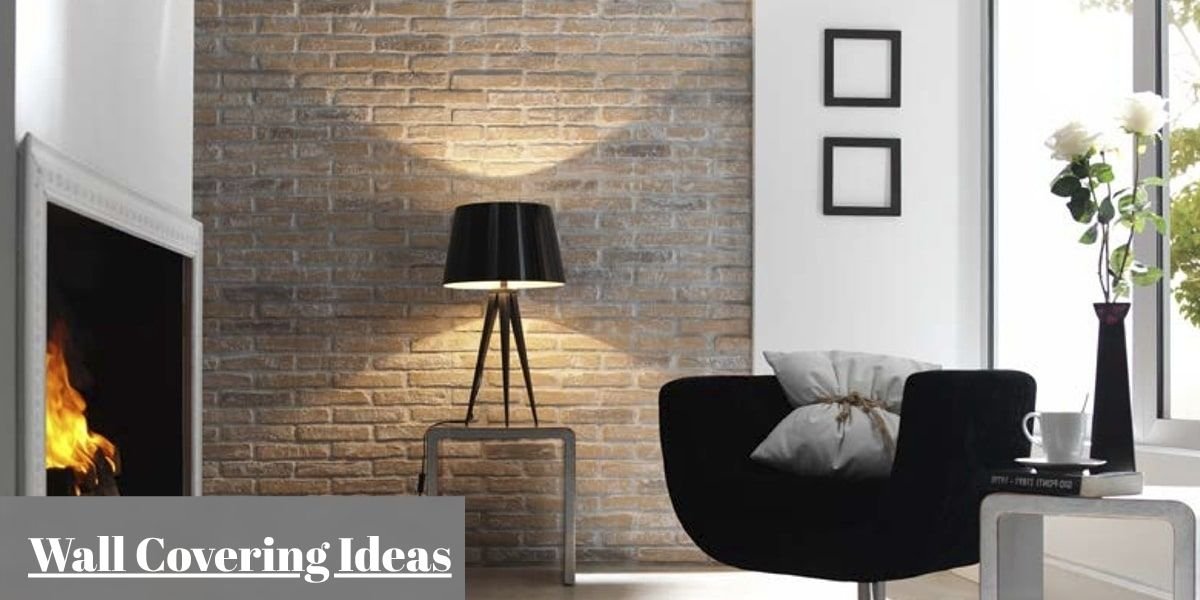
Thin Brick for an Older, More Rustic Kitchen
Genuine clay thin brick veneer delivers the warmth of historic masonry without the structural floor support that full brick would require. At roughly half an inch thick, these are real fired clay slices, not a printed imitation.
Mortar color changes the entire personality of the wall. A heavy, high-contrast white mortar applied with an over-grout technique reads as old-world European farmhouse, while a dark charcoal mortar shifts the same brick toward an industrial loft aesthetic.
Raw clay brick is porous by nature, so it needs a clear, non-yellowing masonry sealer once installed. That barrier keeps cooking oil and splatter from soaking permanently into the brick face without altering its natural matte finish.
White Brick When You Want Texture Without the Weight of Color
Painted white thin brick gives you all the tactile, rugged quality of traditional masonry while keeping the room light. It adds real dimension to a monochromatic kitchen without visually weighing down the wall under upper cabinets.
This finish pairs especially well with honed white marble or a light quartz counter. The brick supplies the visual texture, so the countertop can stay clean and simple without the room feeling flat.
Clean white brick near a stovetop with a soft-bristle nylon brush and a mild grease-cutting cleaner. The textured surface needs a gentle scrub rather than a quick wipe, since grime tends to settle into the grout and mortar joints first.
Marble Behind the Range With Simpler Tile
Rather than tiling the entire kitchen in expensive natural stone, frame a single marble slab directly behind the range and let inexpensive ceramic tile handle the rest of the wall. It is one of the most cost-effective ways to get a genuine luxury moment into a farmhouse kitchen.
A continuous slab eliminates grout lines entirely in the zone that takes the heaviest grease exposure, and polished stone wipes clean far more easily than a multi-jointed tile surface ever will.
Transition from marble to tile with a simple stone pencil liner or a slim brass Schluter strip. It keeps the seam clean and prevents a raw, unfinished stone edge from showing.
Natural Stone for a More Grounded Farmhouse Look
Split-face limestone, tumbled travertine, and slate bring an organic, tactile quality that anchors a kitchen in neutral, earthy tones ranging from soft beige through deep charcoal.
Honed limestone offers a soft cream palette with subtle fossil inclusions that reads beautifully next to warm white quartz. Tumbled travertine has a pitted, antique surface that sits naturally beside butcher block. Darker slate carries layered gray and green tones that balance heavy soapstone or dark granite counters.
Natural stone is not maintenance-free, though. According to the Natural Stone Institute, a quality penetrating sealer can carry a life expectancy of ten to fifteen years on countertop applications, though backsplash tile in a high-splash zone behind a range will typically need resealing more often than that, generally on a roughly annual cycle for softer, more porous stones like limestone and marble. Unsealed stone absorbs liquid spills, acidic tomato sauce, and cooking oil far faster than most homeowners expect.
Green Tile With White or Wood Cabinets
Green tile brings color into a farmhouse kitchen while still feeling connected to natural materials. Sage, olive, eucalyptus, and deep forest tones all sit comfortably against both crisp white trim and warm wood grain. This is not a fringe choice either. The same NKBA 2026 report found that 86 percent of design professionals name green among the most popular colors moving into kitchens over the next several years, second only to neutrals.
Paired with stained oak or walnut cabinetry, a dark olive tile feels grounded and traditional. Set against painted white shaker cabinets, a muted sage brings a fresher, lighter energy to the same room.
For a slightly more current edge, consider square four-inch green tile set in a straight stack grid rather than the traditional offset brick pattern. It reads calmer and more architecturally than a classic running bond.
Blue-and-White Tile for a More Collected Look
Blue-and-white patterned tile brings genuine historic weight to a farmhouse kitchen, echoing the look of traditional Dutch Delftware or Portuguese Azulejo ceramics, both of which have been used to decorate kitchens and courtyards for centuries.
A soft cornflower blue pattern set against a warm white base keeps the motif from overwhelming a small kitchen. Save the busiest patterns for a single framed, recessed niche behind the range, and let the surrounding walls stay plain white.
Match these decorative tiles to navy island cabinetry or classic light gray perimeter cabinets. In new construction especially, this combination is one of the fastest ways to give a brand-new kitchen a sense of collected, lived-in history.
Patterned Tile Behind the Range
Confining a bold geometric or botanical pattern to the wall directly behind the range creates a genuine focal point without turning the entire kitchen into a busy pattern.
Keep the surrounding countertops simple whenever you commit to a patterned range wall. Solid white quartz, honed black granite, or plain concrete all let the tile carry the visual interest without competing for attention.
Scale matters here more than most homeowners realize. A large-scale motif needs generous open wall space above the range, while a smaller geometric repeat fits comfortably under a standard 30-inch upper cabinet run.
Herringbone Subway Tile for a Small Change With More Movement
You do not need an expensive material to create real visual movement. Standard, budget-friendly 3×6-inch subway tile installed at a 90-degree herringbone angle instead of a running bond pattern completely changes how the wall reads.
The zig-zag layout pulls the eye upward, which makes a standard 8-foot ceiling feel taller than it actually is. It delivers decorative interest without introducing a single new color or material.
Herringbone requires significantly more cut pieces along every border edge than a straight run does, so order roughly 15 percent extra tile to cover waste during installation. Skipping this step is one of the most common reasons herringbone jobs run short mid-install.
Vintage-Inspired Tile With a Slightly Imperfect Finish
Encaustic-look cement tile and distressed reproduction ceramics bring time-worn character to an otherwise modern kitchen, with softened edges, muted colorways, and faux-patina glazes designed to mimic decades of wear.
Genuine cement tile is thick, porous, and requires a specialized penetrating sealer both before and after grouting. If you want that same aged look with far less upkeep, modern porcelain reproductions replicate the visual texture of cement tile while remaining fully impervious to stains, scratches, and moisture.
Pair vintage-pattern tile with unlacquered brass faucets and antique iron hardware. The living patina those metals develop over time reinforces the sense that the whole kitchen has genuine age to it.
Tin Tile for Genuine Vintage Character
Pressed metal and tin backsplash panels bring authentic 19th-century detail and metallic patina to a plain wall. Available in stamped steel, copper, brass, and aluminum, they add architectural relief where a flat wall would otherwise sit static.
A clear-coated tin panel protects the raw metal from rust and tarnish while keeping its original shine intact. Distressed, painted white tin is a strong choice for a more antique-leaning kitchen where you want the pattern without the metallic shine.
These panels clean easily with a damp cloth and mild soap. Avoid abrasive scouring pads, which will scratch through the protective clear coat and expose bare metal to moisture underneath.
Wood-Look Tile When You Want Barn-Wood Character
Porcelain wood-look plank tile delivers the warmth of reclaimed barn wood without the practical downsides of real timber in a wet zone. It is one of the more clever material substitutions in modern farmhouse design.
Real reclaimed wood behind a sink or cooktop absorbs water, traps grease, and near an open gas flame becomes a genuine fire hazard. High-definition porcelain, by contrast, reproduces grain texture, saw marks, and knot detail on a completely non-porous ceramic body.
Choose a narrow grout joint, roughly 1/16 inch, in a color matched to the darkest grain tone in the tile. That detail alone is what sells the illusion of continuous timber rather than obviously joined planks.
Full-Height Backsplash for a More Modern Farmhouse Kitchen
Running tile or stone continuously from the countertop to the ceiling, rather than stopping at the underside of the upper cabinets, gives a farmhouse kitchen a cleaner, more architectural feel. It is also a genuine design shift, not just a niche preference. The same NKBA 2026 data found that 75 percent of surveyed professionals identified slab and solid-surface backsplashes, often installed full height, as a rising feature in kitchens over the next several years.
This approach works particularly well on walls with open floating shelves instead of heavy upper cabinetry, since the continuous surface acts as a unified backdrop that makes the whole room feel taller and brighter.
When tiling to the ceiling, finish exposed outer edges with a simple square-edge chrome or painted trim profile for a clean line rather than a raw cut edge.
Mixed Tile and Wood for a Layered Farmhouse Kitchen
Combining materials lets you put moisture protection exactly where it is needed and save the warmth of real wood for the areas that do not take daily splash. Durable ceramic or stone tile covers the high-use zones, while wood paneling takes over on adjacent dry walls.
Draw a clean boundary between the two materials. Inside wall corners, the edge of an upper cabinet line, or a vertical stone trim strip all make natural stopping points that read as intentional rather than accidental.
Keep glazed tile or sealed stone within roughly 24 inches of sinks and cooktops for real splash protection, then transition to painted beadboard or shiplap across open walls and dining nooks to bring warmth back into the wider room. This split keeps the hardest-working zones easy to clean while the rest of the kitchen still feels inviting.
A Simple Backsplash With Warm Wood and Brass
In a quieter modern farmhouse kitchen, the backsplash should step back and let cabinet finish, wood tone, and metal hardware carry the design. Simple matte white tile set with matching white grout creates a clean backdrop rather than a competing feature.
This restrained approach is what allows warm walnut open shelving, an unlacquered brass bridge faucet, or a statement pendant light to actually register as the design focal point instead of getting lost.
Plain tile also keeps a small kitchen from feeling visually crowded, striking the balance modern farmhouse design depends on between minimalism and rustic warmth.
Peel-and-Stick Backsplash for a Low-Commitment Update
Self-adhesive peel-and-stick backsplash panels give renters and short-term homeowners an accessible way to update a kitchen without a full renovation. Current options range from real thin-cut stone veneer to embossed vinyl subway patterns and composite metal panels with high-tack adhesive backing.
Wall prep determines whether these panels last. Clean the surface thoroughly with trisodium phosphate to strip away grease, dirt, and soap residue, and let the wall dry completely before applying anything.
Do not install vinyl peel-and-stick tile directly behind a gas cooktop without a 12-inch fire-rated buffer zone, and keep any self-adhesive product away from standing water unless the bottom seam is sealed with clear silicone. These panels are a great short-term fix, but they are not a substitute for tile in a genuine splash zone.
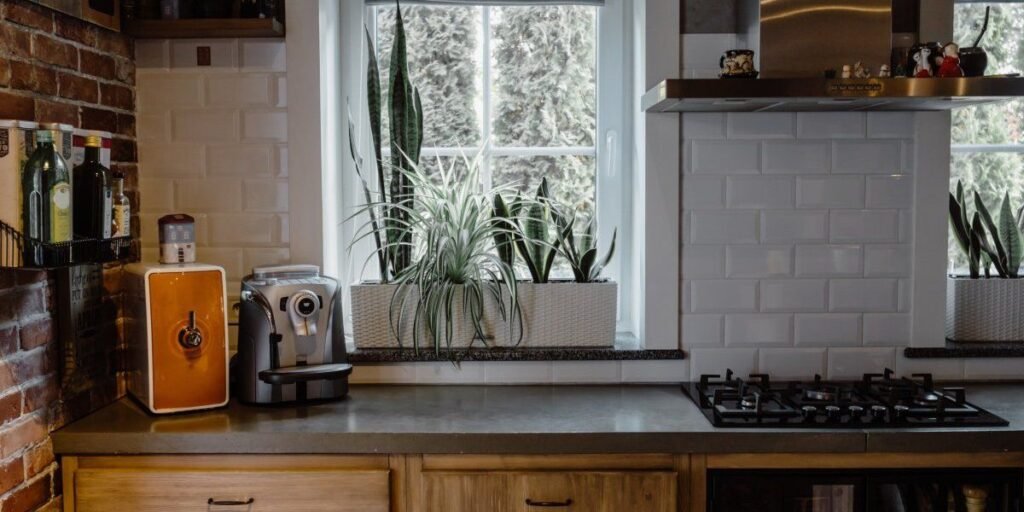
A Window Instead of a Traditional Backsplash
When layout allows for it, replacing the wall tile behind a sink with a low-slung casement window brings in natural daylight and an outdoor view that no material can replicate.
Running the glass all the way down to meet the back edge of the countertop connects the kitchen directly to the yard or garden beyond it, and the glass itself wipes clean without a single grout line to worry about.
Specify tempered safety glass for any low-set window installation near a sink or counter. Most local building codes require it for impact protection in this exact location, so check with your contractor before finalizing glazing.
How to Choose the Right Backsplash for Your Farmhouse Kitchen
Start With the Cabinets and Countertops
Your backsplash should support your existing cabinet finish and countertop material, not compete with it for attention. Painted white cabinets paired with dark soapstone counters work exceptionally well with white subway tile and a dark charcoal grout. Natural oak or pine cabinetry alongside honed white quartz benefits from a softer zellige or a muted green tile instead. If your kitchen already leans bold, with navy cabinets and a butcher-block counter, a clean white brick wall keeps the overall visual weight balanced rather than piling on more contrast.
When you are pairing materials, remember that busy needs plain. If your countertop already has heavy natural veining, choose a simple, solid-color tile so the two surfaces do not fight each other for the eye.
Decide How Much Rustic Texture the Room Already Has
Before choosing a material, take an honest inventory of how much texture is already in the room. A kitchen with exposed ceiling beams, rough-hewn flooring, and a butcher-block counter does not need a rough brick backsplash added on top. That combination tips a room from rustic into visually chaotic fast. Balance those existing heavy textures with a clean, smooth ceramic tile instead.
The reverse is just as true. A kitchen with sleek modern cabinetry and a plain solid-surface counter genuinely benefits from an irregular handmade tile or a thin brick wall, since that is often the only texture the room is missing.
Think About the Range and Sink Differently
The wall behind your range and the wall behind your sink face completely different daily wear, and the material choice should reflect that. The cooktop zone needs heat resistance and a smooth, non-porous surface that lets grease wipe away in one pass. The sink zone needs full water resistance and a genuinely robust silicone base joint to keep standing moisture out of the wall cavity behind it. Treating both zones identically is one of the more common planning mistakes in a farmhouse renovation.
Choose the Grout as Carefully as the Tile
Grout color, joint width, and formulation change both the look and the daily upkeep of a backsplash just as much as the tile itself does. A darker grout accentuates the grid pattern and hides grease stains between cleanings, while a matching light grout gives a smoother, more continuous surface that demands more frequent maintenance to stay looking fresh.
For the cooktop and sink zones specifically, a high-performance epoxy or pre-mixed urethane grout is worth the extra upfront cost. Unlike traditional cement-based grout, these formulations resist water absorption and grease staining without ever needing a separate sealing step down the line.
Final Thoughts
A well-designed farmhouse backsplash should feel like a natural extension of the kitchen’s architecture rather than a decorative afterthought bolted onto a plain wall. The strongest results come from balancing surface texture against daily maintenance realities and letting the material genuinely respond to the cabinets and countertops already in the room. Whether that means a rough clay brick, a hand-glazed zellige tile carrying a thousand years of craft history, or a single marble slab framed behind the range, the right choice turns a purely functional wall into the backdrop the rest of the kitchen gets to lean on.