
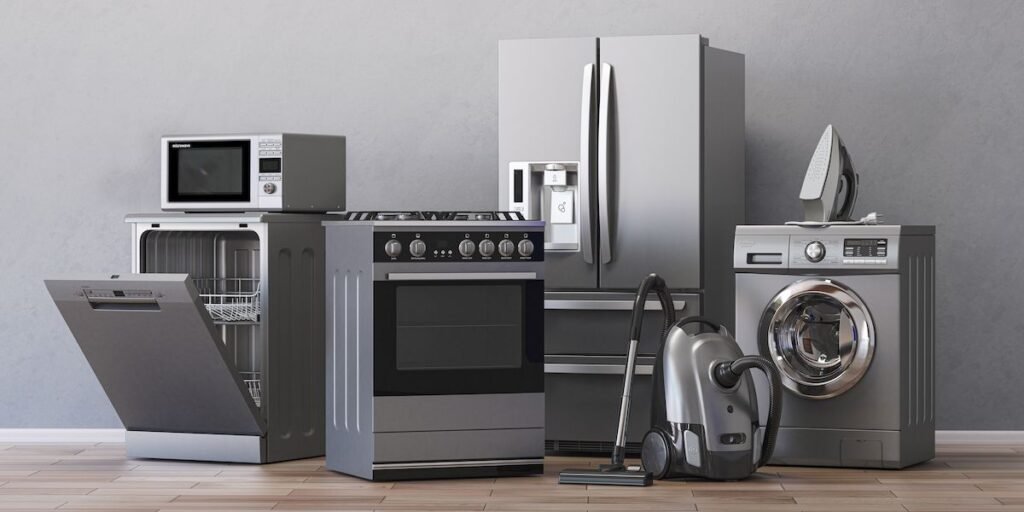
Whenever I step into a newly remodeled kitchen or talk with homeowners struggling to keep up with daily chores, I am reminded of how much our living spaces demand from us. Choosing home appliances has grown increasingly complex over recent years. Rapid technological shifts, rising utility expenses, and shifting manufacturing standards mean that appliances purchased today face different demands than models from a decade ago.
Many buyers find themselves overwhelmed by marketing buzzwords, smart connectivity options, and aesthetic variations that overshadow core operational reliability. When I refined this selection for your home, my primary goal was to cut through the noise and focus on what matters most for long-term ownership performance, durability, and practical utility.
You need to know which investments pay off through lower energy bills and fewer repair calls, and which features are simply expensive gimmicks. This comprehensive reference covers every major kitchen, cleaning, and entertainment appliance, evaluating real-world performance, brand reliability, lifespans, and maintenance requirements so you can make confident purchasing decisions for your household.
How We Evaluated the Best Home Appliances
Building an authoritative appliance guide requires moving far beyond glossy spec sheets and showroom floors. My evaluation methodology relies on long-term field data, technician feedback, repair frequency metrics, and practical user experiences gathered across thousands of American households.
Every appliance category was judged against a strict set of operational criteria designed to reflect true ownership value:
- Real-World Performance: How effectively the appliance handles daily household stress during peak usage times.
- Reliability History: Statistical data regarding breakdown rates within the first five years of ownership.
- Owner Satisfaction: Direct feedback from long-term users regarding usability, noise levels, and cleaning efficiency.
- Energy Efficiency: Compliance with current federal standards and actual power consumption during standard cycles.
- Repairability: Availability of modular replacement parts and ease of access for independent service technicians.
- Maintenance Requirements: Frequency of filter replacements, descaling, or professional servicing needed to maintain peak performance.
- Warranty Coverage: The scope of manufacturer guarantees covering sealed systems, motors, and electronic control boards.
- Long-Term Ownership Costs: Total financial outlay, including electricity, water, detergent, and expected component replacement expenses.
- Smart Features: Evaluation of connected software to separate genuine time-saving automation from frustrating software glitches.
Kitchen Appliances
1. Refrigerator
Selecting the right refrigerator requires balancing internal storage capacity with compressor efficiency and temperature stability. Premium refrigerators suit large households, multi-cookers, and design-focused kitchens requiring custom panel integration or specialized dual-compressor cooling.
When you shop for a fridge, you should prioritize models featuring independent cooling loops for the refrigerator and freezer compartments, as this prevents odor transfer and maintains optimal humidity for fresh produce. Avoid overly complex door-in-door mechanisms or external ice dispensers mounted directly in the fresh food door, as these components experience the highest mechanical failure rates in modern kitchens.
Expect a typical lifespan of 10 to 14 years for standard freestanding units, while built-in luxury variants can surpass 18 years with proper maintenance. Energy efficiency is paramount since refrigerators run continuously, drawing roughly $70 to $120 annually in electricity depending on size and configuration.
Maintenance involves vacuuming dust and pet hair from the condenser coils beneath or behind the unit every six months and replacing water filters biannually. Top-tier reliability is consistently delivered by brands like LG, Whirlpool, and Bosch for mainstream buyers, alongside Sub-Zero for high-end luxury kitchen builds.
2. Dishwasher
Modern dishwashers must clean heavily soiled cookware while operating quietly and conserving water resources. Cleaning performance relies on strategically placed multi-directional spray arms and robust food disposal macerators or fine mesh filters that trap debris before it can recirculate.
Look for decibel ratings under 44 dB for open-concept living spaces where kitchen noise directly impacts living areas. Water efficiency typically ranges from 2.5 to 4.5 gallons per normal cycle, utilizing advanced sensors to adjust water consumption based on soil levels.
Drying technology has evolved from exposed heating elements to condensation drying and automatic door opening systems that release steam at the end of a cycle to reduce energy usage. Interior flexibility featuring adjustable middle racks and dedicated utensil trays maximizes loading capacity for bulky pots and pans.
Expect an average lifespan of 8 to 12 years. Leading brands known for longevity and superior cleaning results include Bosch, Miele, and KitchenAid.
3. Cooking Range
A cooking range serves as the literal heart of the kitchen, combining a cooktop and an oven into a single footprint. Choosing between gas, electric, and induction depends on your cooking preferences and kitchen utility hookups.
Gas ranges provide immediate visual flame control and high heat responsiveness favored by culinary enthusiasts, while traditional electric glass-top ranges offer smooth cleaning surfaces but slower thermal adjustment times. Induction cooktops represent the gold standard for speed and energy efficiency, utilizing magnetic fields to heat cookware directly while keeping the surrounding glass surface cool to the touch.
Oven performance should feature true convection capabilities utilizing a dedicated third heating element surrounding the rear fan for even multi-rack baking. Self-cleaning features include high-temperature pyrolytic cleaning, which turns food residue to ash, or steam cleaning for lighter maintenance.
Safety features like automatic shutoff, hot surface indicator lights, and child-lock controls are essential for family households. Expect a dependable lifespan of 13 to 17 years. Top manufacturing brands include Café, GE Appliances, Frigidaire, and LG.
4. Wall Oven
Wall ovens offer ergonomic advantages by positioning baking cavities at eye level, eliminating the need to bend down when handling heavy roasts or delicate pastries. Baking consistency depends heavily on temperature calibration and airflow design within the cavity.
True European convection featuring a rear convection fan and dedicated heating element ensures uniform heat distribution across all baking sheets, eliminating hot spots. Standard capacities range from 4.5 to 5.1 cubic feet, accommodating large holiday turkeys and multiple casserole dishes simultaneously.
Installation considerations require precise cabinet cutout dimensions, electrical load calculations typically around 240 volts, and adequate ventilation clearance. Reliability is exceptionally high in premium wall ovens due to heavy-duty hinge construction and robust electronic control boards.
Expect an operational lifespan of 12 to 15 years, with top performance delivered by Bosch, KitchenAid, and Thermador.
5. Cooktop
Cooktops manage surface-level boiling, searing, and simmering operations. Gas cooktops feature sealed burners ranging from 5,000 BTUs for delicate simmering up to 20,000 BTUs for rapid boiling and wok cooking.
Electric radiant cooktops use exposed metal coils or ribbon elements beneath smooth ceramic glass, offering reliable heating though slower cool-down times. Induction cooktops dominate modern efficiency metrics, boiling a quart of water in under two minutes while wasting virtually no ambient heat into the kitchen.
Cleaning requires specialized non-abrasive ceramic glass cleaners for smooth surfaces or removable burner grates for gas configurations. Safety measures include automatic pan detection on induction units and flame failure safety valves on gas models that shut off gas flow if the flame extinguishes unexpectedly.
Lifespans average 12 to 15 years, with standout models produced by Bosch, Wolf, and Thermador.
6. Microwave Oven
Microwave ovens provide rapid reheating, defrosting, and quick cooking capabilities. Deciding between a countertop model and a built-in over-the-range unit depends on your available kitchen counter space and ventilation requirements.
Sensor cooking technology utilizes internal humidity sensors to automatically adjust cooking time and power levels, preventing food from drying out or boiling over. Inverter technology delivers a constant stream of low or medium power rather than pulsing full power on and off, which results in more evenly thawed meats and delicate sauces.
Longevity averages 7 to 10 years under regular daily use. Everyday usefulness is maximized by selecting units with clear interior lighting, easy-to-clean stainless steel or ceramic enamel interiors, and intuitive control panels.
Reliable manufacturing standards are maintained by Panasonic, GE Appliances, and Whirlpool.
7. Air Fryer
Air fryers have evolved from trendy specialty gadgets into staple countertop cooking appliances. Capacity ranges from compact 3-quart models for single users up to 10-quart dual-basket units capable of preparing entire family meals.
Cooking performance relies on rapid hot air circulation driven by high-speed convection fans that crisp foods using a fraction of the oil required by traditional deep frying. Cleaning ease is dictated by dishwasher-safe non-stick coated baskets and crisping trays.
Noise levels during operation typically hover around 55 to 65 decibels due to the high-RPM fan motor. An air fryer is worth buying if you frequently reheat leftovers, roast vegetables, or prepare frozen convenience foods with a crispy texture.
Expect a lifespan of 3 to 6 years given the heavy reliance on internal heating elements and small fan motors. Top brands include Ninja, Cosori, and Instant Pot.
8. Coffee Maker
Coffee preparation appliances range from simple drip machines to complex automated bean-to-cup espresso centers. Drip coffee makers excel at brewing large batches for families, while single-serve pod machines offer convenience at a higher per-cup financial and environmental cost.
Bean-to-cup espresso machines grind fresh whole beans on demand, tamp the grounds, and extract espresso shots with precise water temperature and pressure profiling. Maintenance is critical; regular descaling using citric acid or specialized cleaning solutions prevents mineral scale buildup in internal heating blocks.
Water filtration systems utilizing activated carbon or ion-exchange resins dramatically improve taste and protect internal pumps. Reliability varies widely, with complex machines requiring professional servicing every few years.
Top brands known for durability and extraction quality include Breville, DeLonghi, and Miele.
9. Blender
High-performance blenders handle tough culinary tasks ranging from crushing ice and pulverizing frozen fruits to grinding grains and emulsifying hot soups. Motor power ratings generally span from 1,000 to 1,800 watts, providing the torque needed to spin hardened stainless steel blades at speeds exceeding 20,000 RPM.
Smoothie performance is evaluated by the absence of pulp or unblended skin fragments in green leafy drinks. Durability depends on metal drive sockets and heavy-duty pitcher construction made from BPA-free Tritan co-polyester or hardened glass.
Ease of cleaning is enhanced by self-cleaning cycles where warm water and dish soap are blended at high speed. Expect a lifespan of 7 to 12 years for commercial-grade units.
Industry leaders include Vitamix and Blendtec.
10. Stand Mixer
Stand mixers are essential heavy-duty appliances for bakers handling dense bread doughs, whipped egg whites, and heavy cookie batters. Power is measured in wattage, with direct-drive transmission motors offering superior torque transfer compared to belt-driven alternatives.
Attachments include flat beaters, dough hooks, wire whips, and specialized pasta rollers or meat grinders. Bowl capacity typically ranges from 4.5 to 7 quarts, accommodating large batch baking.
Build quality relies heavily on heavy die-cast metal housings, steel gears, and robust locking mechanisms. Long-term value is exceptional, as high-end stand mixers frequently last 20 to 30 years with basic planetary gear lubrication and accessory replacement.
The undisputed market benchmark is manufactured by KitchenAid.
11. Food Processor
Food processors streamline prep work by executing rapid chopping, slicing, shredding, and dough kneading tasks. Motor power ranges from 600 to 1,000 watts, providing steady torque under heavy food loads.
Capacity varies from compact 3-cup chopper units to heavy-duty 12- to 16-cup food processors designed for large families. Storage considerations are important as multiple blades, feeding tubes, and work bowls require dedicated kitchen cabinet space.
Reliability is anchored by heavy motor bases and shatter-resistant work bowls. Expect a lifespan of 7 to 10 years under regular culinary use.
Top-performing brands include Cuisinart and Breville.
12. Rice Cooker
Dedicated rice cookers remove guesswork from grain preparation, utilizing thermal sensors and computerized microchips to cook perfect rice consistently. Standard models utilize simple thermal thermostats that switch off when liquid is absorbed, while fuzzy logic models adjust cooking temperature and duration dynamically based on grain type and moisture levels.
Capacity ranges from 3 cups to 10 cups of uncooked rice output. Keep-warm performance is a vital differentiator, with advanced units maintaining safe warm temperatures for up to 24 hours without drying or yellowing the bottom layer of rice.
Ease of cleaning is supported by non-stick inner cooking pots and detachable inner steam vent caps. Expect a lifespan of 8 to 12 years.
Leading brands include Zojirushi and Cuckoo.
13. Electric Kettle
Electric kettles provide rapid water boiling for tea, French press coffee, and cooking preparation. Variable temperature control allows you to select exact water temperatures ranging from 160 degrees Fahrenheit for delicate green teas up to a rolling 212 degrees Fahrenheit for black teas and boiling water needs.
Safety features include automatic shut-off upon reaching the boiling point and boil-dry protection that cuts power if the kettle is activated empty. Build materials favor food-grade 304 stainless steel or borosilicate glass free from plastic components that contact boiling water.
Boiling speed for a standard 1.5-liter kettle averages 3 to 5 minutes utilizing 1,500 watts of electrical power. Expect a lifespan of 4 to 7 years.
Top manufacturers include Fellow, Cuisinart, and Breville.
Cleaning Appliances
1. Washing Machine
Laundry appliances endure heavy mechanical stress requiring robust drum suspensions and balanced spin cycles. Front-load washing machines deliver superior cleaning performance, lower water consumption averaging 13 to 20 gallons per load, and higher spin speeds exceeding 1,200 RPM, which extracts more moisture and reduces subsequent dryer run times.
Top-load washers offer easier loading access and shorter cycle times but consume more water and rely on agitators or wash impellers that are slightly harsher on textiles. Capacity ranges from 4.5 to 5.5 cubic feet, handling king-size comforters with ease.
Reliability hinges on drum bearing integrity and shock absorber condition. Maintenance requires leaving the front door ajar between washes and running monthly cleaning cycles with specialized washing machine cleaner tablets to prevent mold and mildew growth in rubber door gaskets.
Leading brands include LG, Whirlpool, and Maytag.
2. Clothes Dryer
Clothes dryers finalize the laundry cycle using thermal energy and tumbling action. Vented dryers exhaust moist air directly outdoors, requiring rigid metal ducting and regular lint trap cleaning after every load to prevent fire hazards.
Condenser dryers capture moisture in a removable water tank, eliminating the need for external wall venting. Heat pump dryers represent the pinnacle of energy efficiency, recycling thermal energy through a closed-loop refrigeration system consuming up to 50 percent less electricity than conventional electric vented dryers.
Drying performance is optimized by moisture sensors that terminate the cycle when clothes reach optimal dryness, preventing fabric damage from over-drying. Expected lifespan averages 10 to 13 years.
Top-performing brands include LG, Whirlpool, and Miele.
3. Vacuum Cleaner
Floor care technology spans uprights, canisters, and cordless stick vacuums designed for diverse flooring types. Upright vacuums offer powerful deep cleaning on thick carpets and large dust collection capacities.
Canister vacuums provide superior maneuverability around furniture and excellent suction on bare floors and stairs. Cordless stick vacuums deliver unmatched convenience for quick daily pickups, utilizing lithium-ion battery packs that provide 20 to 60 minutes of runtime depending on power settings.
Suction performance and filtration are closely linked; true HEPA filtration systems capture 99.97 percent of microscopic particles down to 0.3 microns, trapping allergens and pet dander effectively. Maintenance involves emptying dust bins, washing pre-motor filters monthly, and clearing hair tangles from brush rolls.
Expected lifespan ranges from 5 to 10 years depending on build materials. Leading brands include Dyson, Shark, and Miele.
4. Robot Vacuum
Autonomous floor maintenance has matured into an essential hands-off cleaning category. Advanced robot vacuums utilize LiDAR navigation and optical cameras to map complex home layouts, plan efficient cleaning paths, and avoid obstacles like charging cables, pet waste, and shoes.
Self-emptying docking stations automatically suction collected debris from the robot’s onboard bin into a larger sealed dust bag holding up to 60 days of dirt. Pet performance has improved significantly with tangle-free rubber extractors and specialized front-facing cameras that recognize pet accidents.
Battery management allows units to return to their charging base mid-cycle and resume cleaning automatically where they left off. Expect an operational lifespan of 3 to 5 years before battery degradation or sensor wear necessitates replacement.
Market leaders include iRobot Roomba, Roborock, and Ecovacs.
5. Steam Mop
Steam mops sanitize sealed hard floors using thermal steam without harsh chemical detergents. Floor compatibility is strictly limited to sealed hardwood, ceramic tile, luxury vinyl plank, and laminate flooring, as excessive moisture can warp unsealed wood.
Water tanks typically hold 12 to 16 ounces, generating continuous steam within 30 seconds of activation. Ease of use is supported by lightweight construction, ergonomic pivoting heads, and washable microfiber mop pads that trap loosened dirt.
Maintenance requires using distilled water in hard-water regions to prevent mineral scaling inside the internal heating boiler. Expect a lifespan of 3 to 6 years.
Top brands include Shark and Bissell.
6. Carpet Cleaner
Deep carpet cleaners inject heated water and specialized detergent deep into carpet fibers while powerful extraction motors pull out embedded dirt and moisture. Upholstery tools allow these machines to clean fabric sofas, car interiors, and mattresses effectively.
Drying performance depends heavily on vacuum suction power, leaving carpets damp rather than soaked, with typical drying times ranging from 2 to 6 hours. Maintenance requires thoroughly rinsing dirty water tanks, clearing hair clogs from brush rolls, and washing extraction nozzles after every use to prevent sour odors.
Expect a lifespan of 5 to 8 years. Leading brands include Bissell and Hoover.
7. Air Purifier
Indoor air quality management relies on certified filtration units designed to capture particulate matter, volatile organic compounds, and allergens. HEPA filtration is mandatory, capturing 99.97 percent of airborne pollutants.
Clean Air Delivery Rate (CADR) ratings measure the volume of filtered air delivered per minute, guiding you toward appropriate room size matches. Noise levels should remain under 35 decibels on low speed for bedroom placement.
Filter replacement schedules typically require changing particle filters every 6 to 12 months and carbon filters every 3 to 6 months depending on local air pollution levels and pet presence.
Top brands include Coway, Winix, and Blueair.
8. Dehumidifier
Dehumidifiers extract excess moisture from humid basements, crawlspaces, and living areas, preventing mold growth and structural moisture damage. Moisture removal capacity is measured in pints extracted per 24 hours, with standard residential units ranging from 30 to 50 pints.
Tank capacity varies from 1 to 2 gallons, requiring manual emptying unless a continuous drainage hose is connected to a nearby floor drain or gravity outlet. Energy use is substantial during continuous operation, making models with Energy Star certification crucial for controlling electricity bills.
Expect a lifespan of 5 to 8 years before sealed refrigeration systems experience refrigerant leaks or compressor failure. Leading brands include Frigidaire, Midea, and Honeywell.
Entertainment Appliances
1. Smart TV
Modern home entertainment centers revolve around advanced display technologies delivering exceptional visual fidelity. Display technologies feature OLED panels offering infinite contrast ratios and perfect black levels, alongside Mini-LED LCD panels capable of extreme peak brightness levels for sunlit rooms.
High Dynamic Range (HDR) formats like Dolby Vision and HDR10+ optimize contrast and color grading on a scene-by-scene basis. Gaming features include 4K resolution at 120Hz or 144Hz refresh rates, Variable Refresh Rate (VRR), and Auto Low Latency Mode (ALLM) supporting next-generation gaming consoles.
Smart platforms like Google TV, webOS, and Roku OS provide intuitive access to streaming applications. Expect a lifespan of 7 to 10 years.
Top brands include LG, Sony, and Samsung.
2. Soundbar
Flat-panel televisions feature slim enclosures that leave little room for quality internal speakers, making external soundbars a necessary upgrade. Dolby Atmos support enables spatial audio playback utilizing upward-firing drivers to bounce sound off ceilings, creating immersive overhead soundscapes.
Dialogue clarity is enhanced by dedicated center channels and voice-enhancement software that boosts vocal frequencies over background sound effects. Connectivity options include HDMI eARC, optical inputs, and Bluetooth streaming.
Room size dictates whether a standalone soundbar suffices or if a system featuring a wireless subwoofer and rear satellite speakers is required for cinematic impact. Leading brands include Sonos, Samsung, and JBL.
3. Streaming Device
External streaming devices bypass sluggish built-in television operating systems, delivering snappy navigation and robust app ecosystems. Interface design prioritizes ad-free home screens, universal content search, and personalized recommendations.
Performance is driven by fast quad-core processors and ample RAM, ensuring seamless 4K video playback and rapid app launching. Voice control integration via dedicated remotes allows you to search content and control playback hands-free.
Expect a lifespan of 4 to 7 years before software updates outpace hardware processing capabilities. Top choices include Apple TV 4K, Roku Ultra, and Amazon Fire TV Cube.
4. Smart Speaker
Smart speakers serve as voice-activated audio hubs and control centers for connected home ecosystems. Voice assistants process natural language queries, control smart lighting, adjust thermostats, and manage household schedules.
Multi-room audio synchronization allows you to group speakers together for synchronized music playback throughout the entire house. Privacy controls include physical microphone mute buttons and local voice processing options.
Integration with smart home protocols ensures seamless communication with doorbells, locks, and security cameras. Leading brands include Sonos, Amazon Echo, and Apple HomePod.
5. Home Theater Projector
Projectors transform blank walls or dedicated screens into massive cinematic displays exceeding 100 inches in diagonal size. Brightness ratings measured in ANSI lumens determine performance in ambient light, with laser-phosphor light sources delivering upwards of 2,000 to 3,000 lumens and 20,000+ hours of operational life.
Resolution options span true 4K Ultra HD utilizing advanced pixel-shifting or native panels. Throw distance requirements dictate placement flexibility, with ultra-short-throw projectors sitting mere inches from the screen surface.
Best use cases include dedicated home theater rooms and multi-purpose living spaces replacing traditional televisions. Top manufacturers include Epson, BenQ, and JVC.
The Most Reliable Home Appliance Brands in USA
Appliance reliability is not a uniform metric across every product category a brand manufactures. Understanding where each major manufacturer excels helps you navigate purchasing decisions successfully.
- LG: Excels in laundry appliances (front-load washers and dryers) and OLED televisions. Reliability reputation is high for direct-drive motors and display panels supported by a robust U.S. service network and accessible replacement parts. Best suited for tech-forward households prioritizing energy efficiency and washing performance.
- Whirlpool: Dominates mainstream laundry, dishwashers, and refrigeration. Renowned for straightforward electromechanical components, solid build quality, and widespread parts availability. Best suited for budget-conscious families and landlords seeking dependable low-maintenance operation.
- GE Appliances: Known for cooking ranges, microwaves, and refrigerators. Offers balanced build quality with extensive service technician networks across all 50 states. Best suited for standard suburban residential kitchens requiring reliable mid-tier performance.
- Bosch: The undisputed market leader in dishwashers and quiet-operation laundry equipment. Features German engineering, robust stainless steel interiors, and low breakdown rates. Best suited for homeowners valuing ultra-quiet open-plan living and premium build quality.
- KitchenAid: Celebrated for stand mixers, wall ovens, and counter-depth refrigerators. Combines professional-grade aesthetics with heavy-duty cooking performance. Best suited for passionate home cooks and bakers.
- Maytag: Focuses on heavy-duty commercial-grade washing machines and commercial refrigeration. Built with robust transmissions and steel components designed for high-frequency use. Best suited for large families with heavy laundry demands.
- Samsung: Leads the market in smart home integration, premium refrigerators, and display technology. Offers feature-rich appliances with sleek modern styling. Best suited for smart home enthusiasts willing to utilize connected app ecosystems.
- Frigidaire: Specializes in affordable refrigeration, freezers, and basic cooking ranges. Provides reliable baseline functionality with straightforward repair logistics. Best suited for rental properties and first-time homeowners.
- Miele: The benchmark for ultra-luxury vacuum cleaners, dishwashers, and laundry systems. Engineered for a 20-year design life with premium German manufacturing. Best suited for luxury homeowners demanding uncompromising durability.
- Café: GE’s premium design-focused brand offering customizable hardware finishes on professional-grade ranges and refrigerators. Best suited for high-end kitchen remodels where aesthetics match cooking power.
- Thermador: Specializes in high-end luxury cooking ranges, built-in refrigeration, and dishwashers. Known for patented star-shaped gas burners and professional-tier heat output. Best suited for gourmet chefs and luxury estates.
- Sub-Zero and Wolf: The elite gold standard for refrigeration (Sub-Zero) and cooking (Wolf). Features dual-refrigeration compressors and restaurant-grade thermal output. Best suited for luxury custom kitchen installations.
- Viking: Pioneer of professional residential cooking ranges. Offers heavy commercial stainless steel construction and high-BTU open burners. Best suited for culinary enthusiasts seeking commercial kitchen power at home.
Appliance Lifespan You Can Realistically Expect
Understanding how long appliances last and when to service them prevents unexpected budget shortfalls.
- Refrigerator: Lifespan: 10–14 years | Warranty: 1-year general, 5-year sealed system | Maintenance: Moderate (clean coils biannually) | Action: Repair under 7 years unless sealed system fails; replace after 12 years.
- Dishwasher: Lifespan: 8–12 years | Warranty: 1-year general | Maintenance: High (clean filter monthly) | Action: Repair minor leaks or pumps under 6 years; replace after 10 years.
- Cooking Range: Lifespan: 13–17 years | Warranty: 1-year general | Maintenance: Low (surface cleaning) | Action: Repair igniters or elements; replace if main control board fails after 12 years.
- Washing Machine: Lifespan: 10–13 years | Warranty: 1-year general, 10-year motor | Maintenance: Moderate (monthly tub clean) | Action: Repair pumps or belts; replace if drum bearings fail out of warranty.
- Clothes Dryer: Lifespan: 10–13 years | Warranty: 1-year general | Maintenance: High (clean lint trap and vent annually) | Action: Replace thermal fuses or heating elements as needed; replace after 12 years.
- Smart TV: Lifespan: 7–10 years | Warranty: 1-year general | Maintenance: Low (dust screen) | Action: Repair power supplies under 3 years; replace if panel cracks or fails.
Factors that shorten appliance life include hard water mineral scaling, lack of coil cleaning, blocked ventilation ducting, power surges, and overloading drum capacities. Regular maintenance extends lifespan significantly by reducing motor strain and preventing premature thermal breakdown.
When an appliance repair exceeds 50 percent of the replacement cost and the unit has passed the midpoint of its expected lifespan, financial sense dictates replacing the unit rather than funding recurring service calls.
Warranty, Repairability, and Service Matter More Than Most Buyers Realize
Manufacturer warranties typically cover parts and labor for the first 12 months of ownership, with extended warranties covering sealed refrigeration loops or drive motors for up to 5 years. Extended warranties offered by third-party retailers often carry restrictive exclusions and administrative hurdles, making direct manufacturer coverage preferable.
Parts availability is a critical consideration; brands that maintain robust regional parts warehouses ensure that local technicians can complete repairs within days rather than weeks. Authorized service centers guarantee that technicians are factory-trained on proprietary electronic control boards and specialized inverter compressors.
Repair costs have climbed due to rising labor rates and the increasing integration of complex computerized control panels. Right-to-repair legislation is slowly pushing manufacturers to release diagnostic software and service manuals to independent repair shops, reducing repair monopolies.
Budget brands frequently use unserviceable glued assemblies that require replacing entire modules, while premium brands design modular components that technicians can repair individually.
What It Really Costs to Own a Home Appliance
The initial purchase price represents only a fraction of the total cost of ownership over an appliance’s lifecycle. Electricity consumption varies dramatically, with refrigerators consuming roughly $80 to $120 yearly, clothes dryers using $100 to $200, and air conditioners exceeding $200 depending on regional utility rates.
Water usage in dishwashers and washing machines adds municipal utility expenses. Replacement filters for refrigerators, air purifiers, water pitchers, and vacuum bags represent ongoing consumable expenses averaging $50 to $150 annually.
Maintenance expenses include descaling solutions, specialized laundry detergents, and vent cleaning services. Installation charges for gas lines, specialized 240-volt electrical circuits, or built-in cabinetry adjustments can add $100 to $500 upfront.
Smart subscriptions for advanced security monitoring or extended cloud storage features can add minor recurring monthly fees. Calculating the lifetime cost of ownership ensures that energy-efficient models with higher upfront purchase prices ultimately save money over their operational lifespan.
Smart Features That Are Worth Paying For
Smart home connectivity has transformed appliances, but many connected features offer little practical value. Focus your attention on smart features that deliver genuine everyday utility:
- Remote Monitoring and Alerts: Receive smartphone notifications when a washing cycle finishes or if a refrigerator door is left ajar.
- Leak Detection: Integrated water sensors in dishwashers and washing machines shut off water supply valves automatically upon detecting leaks, preventing catastrophic flood damage.
- Energy Monitoring: Track power consumption patterns to optimize appliance usage during off-peak utility hours.
- Smart Diagnostics: Allow service technicians to run remote diagnostic error code checks over the internet, speeding up repair diagnosis.
- Voice Control: Hands-free operation of lighting, thermostats, and cooking timers via smart speakers.
- Matter Compatibility: Ensures interoperability across diverse smart home ecosystems like Apple Home, Google Home, and Amazon Alexa without proprietary walled gardens.
Connected features that are mostly marketing hype include recipe-browsing refrigerator touchscreens that duplicate tablet computers and remote preheating of ovens without physical food placement confirmation.
Choosing the Right Appliances for Your Home
Organizing appliance recommendations by lifestyle ensures that your investment matches your actual household dynamics rather than arbitrary feature lists.
- Apartments and Condos: Prioritize compact stackable laundry units, space-saving counter-depth refrigerators, and quiet dishwashers. Space efficiency and low noise ratings are paramount.
- First-Time Homeowners: Focus on reliable mid-tier brands like Whirlpool and GE Appliances offering balanced pricing, dependable warranties, and straightforward maintenance.
- Families with Children: Prioritize large-capacity front-load washing machines, durable stainless steel interior dishwashers with sanitizing cycles, and robust fingerprint-resistant refrigeration.
- Frequent Home Cooks: Invest in professional-grade induction or gas cooking ranges, powerful multi-speed range hoods, high-torque stand mixers, and spacious French-door refrigerators.
- Pet Owners: Prioritize HEPA-filtration vacuum cleaners, air purifiers with activated carbon odor filters, and washing machines featuring dedicated allergen removal cycles.
- Seniors: Focus on ergonomic wall-mounted ovens, front-load laundry pedestals that eliminate bending, and appliances with clear tactile controls rather than complex touch screens.
- Luxury Kitchens: Select integrated panel-ready Sub-Zero refrigerators, Wolf dual-fuel ranges, Miele dishwashers, and custom ventilation hoods.
- Smart Homes: Build around connected ecosystems featuring Matter-compatible appliances with robust energy monitoring and leak detection sensors.
Home Appliance Maintenance Tips That Protect Your Investment
Protecting your appliance investment requires executing a consistent preventive maintenance routine.
- Cleaning Refrigerator Condenser Coils: Vacuum dust and pet hair from coils beneath or behind the fridge every 6 months to prevent compressor overheating.
- Replacing Refrigerator Water Filters: Change water and ice filters every 6 months to maintain water purity and protect ice maker valves.
- Maintaining Dishwasher Filters: Remove and wash the bottom sump filter monthly to prevent food residue buildup and cloudy glassware.
- Cleaning Washing Machine Drums: Run a monthly tub-clean cycle with chlorine bleach or specialized cleaner and wipe down rubber door gaskets to prevent mold.
- Clearing Dryer Vents: Clean the lint trap after every load and inspect and clear external dryer exhaust vents annually to prevent residential fires.
- Descaling Coffee Makers and Kettles: Run a citric acid descaling solution through water heating appliances every 1 to 3 months depending on water hardness.
- Replacing Air Purifier Filters: Swap out HEPA filters every 6 to 12 months to maintain maximum airflow and pollutant capture rates.
- Updating Firmware: Ensure connected smart appliances run the latest security patches and software fixes.
Frequently Asked Questions
Which home appliances are worth spending more on?
Appliances subjected to heavy daily mechanical stress, such as dishwashers, washing machines, refrigerators, and high-performance ranges, justify higher spending due to their superior build quality and lower long-term breakdown rates.
Which home appliance brands are the most reliable in the USA?
Brands like Bosch, Miele, Whirlpool, and LG consistently rank highest in long-term reliability reports and technician satisfaction surveys across major appliance categories.
How long should major home appliances last?
Major appliances should deliver dependable service for 10 to 15 years depending on usage frequency, maintenance routines, and manufacturing quality.
Is an extended warranty worth buying?
Extended warranties are generally unnecessary for reliable mid-tier appliances, but can provide financial protection for complex luxury refrigerators or high-end smart electronics carrying expensive electronic control boards.
Are smart home appliances worth the extra money?
Smart features are worth paying for when they provide practical utility, such as remote leak detection, smart diagnostics, and energy monitoring, rather than superficial aesthetic novelties.
Which home appliances use the most electricity?
Electric clothes dryers, water heaters, central air conditioning systems, and electric resistance cooking ranges consume the highest volume of electrical energy in residential homes.
When should I repair an appliance instead of replacing it?
Repair an appliance if the repair cost is under 50 percent of a replacement unit and the appliance has not exceeded two-thirds of its expected operational lifespan.
Should I buy matching appliance packages?
Buying matching appliance packages from a single brand often yields bundle discounts and cohesive kitchen aesthetics, though mixing best-in-class brands like a Bosch dishwasher with a Wolf range frequently yields superior operational performance.