
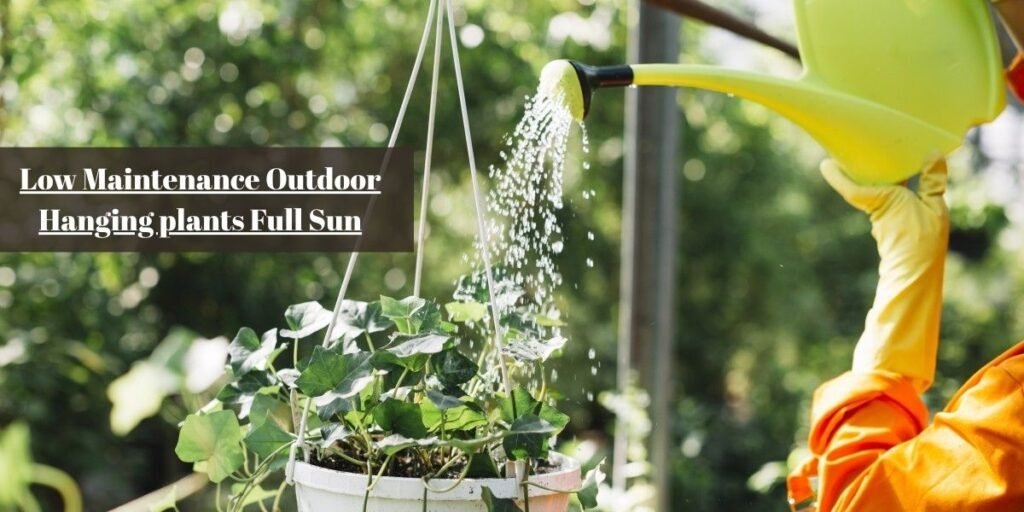
There is a familiar routine many gardeners experience every spring. You head to the local nursery, pick out a lush, vibrant hanging basket overflowing with blossoms, and hang it proudly on your front porch. For the first few weeks, it looks stunning. But as July and August arrive, the temperature climbs, the afternoon sun bakes your porch, and that gorgeous basket transforms into a high-maintenance chore. The flowers fade, the foliage wilts by midday, and the potting mix dries out so fast that you practically need to stand guard with a garden hose morning and night.
Finding plants that truly handle blistering sunshine without demanding constant rescue operations takes more than grabbing anything labeled sun-loving at the garden center. Over years of working with scorching southern exposures and windswept balconies, I have learned that the best outdoor hanging plants for full sun balance three vital traits: they genuinely enjoy direct ultraviolet exposure, they maintain an attractive aesthetic through the dog days of summer, and they feature management needs that fit into a busy human schedule.
Whether you are looking for vivid cascading flowers, soft textural foliage, or resilient varieties that shrug off dry conditions, the right choices will transform a scorched patio into a vibrant, flourishing focal point.
12 Low-Maintenance Hanging Plants That Thrive in Full Sun
To help you skip the trial-and-error phase, I have curated a selection of top-performing hanging basket candidates specifically chosen for their summer endurance, visual appeal, availability, and practical care requirements. Let us explore the best varieties to elevate your sunny outdoor spaces.
1. Portulaca (Moss Rose): Best for Hot, Sunny Spots
When clients ask me what to plant where other flowers simply crisp up and die in the July heat, Portulaca, commonly known as moss rose, is almost always my first recommendation. From a botanical standpoint, this plant belongs to the Portulacaceae family, which has evolved brilliant physiological adaptations for arid environments. It features thick, succulent-like fleshy foliage designed to store precious water reserves and brilliantly bright, rose-like flowers that open wide in intense, baking sunshine.
In my own garden routine, I rely on moss rose for those brutal, unshaded south-facing hooks where watering twice a day is simply not realistic. Once its root system establishes in the container, it tolerates drier soil exceptionally well. When planting portulaca, I always advise using a very fast-draining, gritty potting mix and ensuring your container has ample drainage holes. Excess moisture is its primary enemy, and letting the soil dry out slightly between waterings encourages a much heavier flush of neon pink, yellow, and orange blooms.
One important quirk to keep in mind: do not panic if you check your moss rose in the evening or on an overcast afternoon and notice the petals closing tightly. This is entirely normal biological behavior known as nyctinasty, not a sign that your plant is dying or unhappy.
2. Trailing Lantana: Long-Lasting Color in Summer Heat
If you want a plant that treats a ninety-degree heatwave like an invitation to party, trailing lantana is an absolute powerhouse. Botanically classified as Lantana montevidensis, this woody perennial behaves like a tough annual in cooler zones, offering dense, multi-colored flower clusters that shift shades from lavender to golden yellow as they mature. This creates a lively, textured display that looks like an entire arrangement packed into a single stem. Unlike upright shrub varieties that demand a lot of ground space, trailing cultivars naturally cascade over the edges of a hanging container, creating a lush waterfall of color.
In practice, lantana requires full, unshaded sun to produce its trademark heavy bloom cycles. If tucked into a shady porch corner, it will stretch out, become leggy, and refuse to flower. While it is wonderfully drought-tolerant once established, I have found that giving it a deep, thorough soaking during prolonged dry spells keeps the blossoms popping well into autumn. Mid-season, when the stems get a bit unruly, I like to shear them back by a few inches; this simple trick triggers a fresh flush of growth almost immediately.
One crucial safety note for pet owners: lantana leaves and berries contain triterpenoids that can be toxic if ingested, particularly by curious dogs, cats, or livestock. If you have furry companions roaming your patio, plan your hanging height and placement with careful consideration.
3. Million Bells (Calibrachoa): Small Flowers That Cover the Basket
For gardeners who want their hanging baskets to look like a solid, unbroken sphere of vibrant color rather than a collection of individual stems, Million Bells is a classic go-to choice. Calibrachoa looks remarkably like a miniature petunia on a much more refined, naturally trailing frame. Scientifically, these plants thrive when their root zones stay evenly moist and well-aerated, pumping out an astonishing abundance of trumpet-shaped flowers that practically conceal the dark green foliage beneath them.
Unlike succulent choices such as portulaca, Million Bells is not a drought-survivor. In my experience, a small coconut-coir basket hanging in direct afternoon sun will dry out rapidly during peak summer, and calibrachoa will wilt dramatically if its root ball goes bone-dry. However, maintenance is delightfully simple because most modern cultivars are bred to be self-cleaning. They drop old blooms automatically, saving you hours of tedious deadheading. To sustain their heavy flowering habit, I feed mine bi-weekly with a balanced, water-soluble fertilizer throughout the active growing season.
While generally reliable, keep in mind that extreme, humid heat waves can occasionally cause older cultivars to pause their blooming until temperatures moderate slightly in the evening.
4. Trailing Petunias: A Classic Choice for a Full, Colorful Basket
When people think of traditional summer porches, petunias are usually the first flower that comes to mind. Over the years, I have planted hundreds of them, and while they demand a bit more attention than a succulent, nothing matches the sheer volume of color a vigorous trailing petunia brings to a sunny spot.
Scientifically bred to cascade, these varieties create lush, heavy drapes of trumpet-shaped blooms that spill gracefully over the rim of the container.
In my own garden, I learned early on that petunias are thirsty plants. Do not let their tolerance for full sun fool you into thinking they are drought-resistant. In the peak of July, a hanging petunia basket in direct afternoon sun will need a thorough drink daily, and sometimes twice daily if a dry wind is howling across your patio.
When choosing varieties, I always look for modern breeding lines that boast improved rain and heat tolerance. Some traditional petunias get sticky and turn to mush after a heavy summer thunderstorm, whereas newer selections bounce back remarkably fast.
Depending on the cultivar you buy, you may need to clip off spent blooms to keep the plant pushing out fresh color, though many newer types are self-cleaning. Feed them regularly with a bloom-boosting liquid fertilizer every week or two, because those heavy flowering cycles pull massive amounts of nutrients out of a limited container volume.
5. Trailing Verbena: Color That Spills Over the Edges
If you want a plant that creates a dense, textured blanket of tiny, vibrant flower clusters while standing up to baking heat, trailing verbena is a fantastic choice. Botanically known as Verbena hybrida, trailing selections are specifically bred to send out sprawling, branching stems that overflow hanging baskets with brilliant pools of purple, pink, red, or white.
In my design work, I often rely on verbena when I want a plant that bridges the gap between structured uprights and loose trailers. It loves baking in full, unshaded sun. If you tuck it into a shady spot, flower production drops dramatically and the stems tend to stretch out looking sparse.
While verbena handles dry spells much better than a petunia, it is not invincible. During prolonged heatwaves, letting the soil dry out completely will cause the lower leaves to turn brown and drop off.
If your verbena starts looking a bit leggy or sparse in mid-August, do not be afraid to take garden shears and give it a proactive haircut, trimming it back by a few inches. Within a week or two, that minor pruning will trigger a dense, fresh flush of new stems and a brand-new wave of blossoms.
6. Ivy-Leaf Geranium: A Neat, Classic Hanging Basket Plant
For gardeners who prefer a slightly more tailored, classic European aesthetic on their balcony, ivy-leaf geraniums (Pelargonium peltatum) offer a wonderful alternative to wilder, sprawling annuals. Unlike upright garden geraniums that grow in stiff, bushy mounds, ivy-leaf varieties feature smooth, glossy, succulent-like leaves and trailing stems that drape elegantly over the sides of a container.
In my experience, these plants are wonderfully resilient in sunny environments, but they have one non-negotiable requirement: exceptional drainage. If their roots sit in soggy, compacted potting mix, they will rot out overnight. I always plant mine in a porous, lightweight mix and make sure excess water drains away freely immediately after watering.
They prefer a thorough soaking when the top inch of soil feels dry to the touch, followed by a dry-down period.
One important tip from my own climate struggles: if you live in an area with punishing, scorching desert-like summer heat where temperatures regularly exceed one hundred degrees, ivy-leaf geraniums can sometimes stall out and pause flowering. In those extreme regions, giving them a touch of filtered afternoon shade can keep them looking pristine all season long.
7. Silver Falls Dichondra: Cascading Silver Foliage With Less Fuss
Sometimes the most striking hanging basket on a porch does not rely on flowers at all. Silver Falls dichondra (Dichondra argentea) is one of my absolute favorite foliage plants for containers, featuring delicate, fan-shaped leaves covered in a silvery-white fuzz that catches the sunlight and cascades in shimmering curtains down the side of a pot.
When clients tell me they are exhausted by deadheading flowers and want something architectural and low-fuss for a blazing hot spot, I hand them a pot of Silver Falls. It thrives in full, baking sun and has remarkable drought tolerance once its root system gets settled. Because its silvery foliage reflects intense sunlight, it handles heat stress far better than many green-leafed trailing plants.
The main maintenance task with this plant is simply letting it grow and trimming the stems if they reach the ground or start tangling with neighboring plants.
When watering, treat it much like a succulent: water deeply when the soil is dry, but never keep it sitting in wet muck. Its unique metallic texture provides stunning contrast when paired with bright purple or red flowering annuals in a mixed basket.
8. Trailing Scaevola (Fan Flower): A Flowering Option That Needs Less Deadheading
If you love the idea of a heavy-flowering hanging basket but loathe the chore of picking off faded petals every weekend, Trailing Scaevola, commonly known as the fan flower, will become your new best friend. Originating from Australia, scaevola produces unique, fan-shaped blossoms arranged neatly along trailing, succulent stems in shades of vibrant blue, purple, pink, or white.
In my container garden trials, scaevola has consistently proven to be a tough, reliable performer during hot summer months. It relishes full sun and handles coastal breezes and reflected heat from patio walls remarkably well.
The standout feature for any busy gardener is its self-cleaning nature; the old flowers simply drop off cleanly, and the plant continuously pushes out fresh fan-shaped blooms at the tips of the stems without any human intervention.
While it appreciates consistent moisture, it tolerates brief dry spells much better than calibrachoa or petunia. Plant it in a well-draining container mix, give it a balanced liquid feed once a month, and let its bright, cheerful flowers spill effortlessly over your sunny porch edge.
9. Wingpod Purslane: Another Choice for Sunny Baskets
While moss rose gets plenty of attention, its close botanical relative wingpod purslane (Portulaca relatives and ornamental cultivars) deserves an equally prominent spot on your sunny patio. Featuring thicker, fleshy succulent leaves and bright, jewel-toned blossoms that pop open in the morning sun, purslane is built from the ground up to survive punishing heat.
In practice, I find trailing purslane forms a slightly denser, more mat-like cascade than traditional moss rose, creating a thick carpet of vibrant color over the edges of a hanging pot. It is an ideal choice for gardeners who tend to forget their watering schedule or who manage exposed, high-altitude balconies where the wind and sun conspire to dry out containers in hours.
Because of its succulent nature, you must use a gritty, fast-draining soil mix designed for cacti and succulents, or at least amend your standard potting soil with perlite.
Never keep the roots soggy. If you treat purslane with a bit of benign neglect regarding water—letting it dry out thoroughly between soakings—it will reward you with uninterrupted summer color right up until the first autumn frost.
10. Sweet Potato Vine: Fast-Growing Foliage for a Fuller Basket
If your goal is to create an explosion of lush, tropical foliage that completely dominates a large hanging basket within a matter of weeks, sweet potato vine (Ipomoea batatas) is unmatched. Available in striking cultivars featuring lime green, deep near-black purple, bronze, or variegated leaves, this vigorous grower adds instant drama to any outdoor space.
In my own landscape designs, I frequently use sweet potato vine as the anchor trailer in large, sunny mixed containers. It loves warmth, grows at an astonishing rate during July and August, and creates thick, heart-shaped or lobed curtains of color that cascade several feet down.
However, you must respect its vigor. Because it produces such a massive amount of foliage so quickly, its water and nutrient demands are quite high compared to true drought-survivors like portulaca or dichondra.
A small basket will quickly become root-bound, so plant sweet potato vine in a substantial container with plenty of rich, well-draining soil. If the stems get too aggressive and start choking out smaller companion plants, simply take hand pruners and chop the tips back; the vine will branch out and become even fuller.
11. Trailing Sedum: A Succulent Option for Drier Conditions
When gardeners ask me for a hanging plant that can practically survive a desert vacation without human intervention, I point them toward trailing sedums, often referred to as stonecrops. These hardy succulents feature fascinating fleshy foliage, trailing stems, and tiny star-shaped summer flowers, offering a wonderful sculptural texture that stands out from typical soft-petaled annuals.
In my experience, trailing sedums like Sedum makinoi or Sedum morganianum (donkey’s tail) thrive in bright, intense sunlight, though varieties with chartreuse or variegated leaves appreciate a tiny bit of filtered shade during the most brutal afternoon hours in scorching inland climates.
The golden rule with sedum is drainage. You must plant them in an extremely porous, fast-draining medium and allow the soil to dry out completely between waterings.
If you make the mistake of keeping a sedum basket constantly damp, root rot will set in rapidly. When cared for properly, their cascading, bead-like stems create an exotic, low-maintenance display that feels entirely different from a standard flower basket.
12. Trailing Nasturtiums: Edible Flowers and Soft, Cascading Growth
To wrap up our selection, trailing nasturtiums (Tropaeolum majus) offer a charming, informal, cottage-garden aesthetic that brings a completely different mood to a sunny porch. With their unique lily-pad-shaped leaves and bright, spurred flowers in shades of fiery orange, yellow, and deep red, nasturtiums look gorgeous spilling in loose, soft cascades over the edge of a container.
In my garden routine, I love using nasturtiums not just for their beauty, but for their utility. Both the leaves and the brightly colored blossoms are entirely edible, offering a wonderful peppery crunch that elevates summer salads.
However, you must manage them with care. Unlike petunias or calibrachoa, nasturtiums actually prefer relatively poor, lean soil. If you plant them in an overly rich, heavily fertilized potting mix, the plant will pour all its energy into massive, lush green leaves while producing very few flowers.
Plant them in full sun, keep the watering moderate, and avoid heavy feeding. Keep in mind that nasturtiums are cool-weather lovers at heart; while they tolerate summer sun, prolonged extreme heat waves with warm nights can cause them to fade early, so treat them as wonderful stars for late spring and early summer before refreshing your baskets as needed.
Which Hanging Plants Need the Least Water?
Even among plants classified as sun-lovers, water requirements vary wildly. Understanding these differences prevents you from constantly scrambling to rescue wilted baskets or accidentally rotting out drought-tolerant species with too much kindness.
To make this straightforward, here is how the 12 selections compare in their relative water demands:
| Plant | Relative Watering Demand | Best Reason to Choose It |
| Portulaca | Low once established | Hot, southern-exposure locations |
| Trailing lantana | Low to moderate once established | Vibrant color in warm weather |
| Silver Falls dichondra | Low to moderate | Cascading silver foliage |
| Trailing sedum | Low, with excellent drainage | Succulent foliage and minimal moisture needs |
| Million Bells | Moderate to high in hot weather | Dense, continuous flowering |
| Trailing petunias | Moderate to high in hot weather | Classic, heavy summer flowers |
| Trailing verbena | Moderate | Cascading clusters of bright color |
| Ivy-leaf geranium | Moderate | Structured foliage and classic porch appeal |
| Scaevola | Moderate | Unique fan-shaped blooms |
| Sweet potato vine | Moderate to high during vigorous growth | Lush, fast-growing tropical foliage |
| Wingpod purslane | Low to moderate | Sun-loving succulent flowers |
| Trailing nasturtiums | Moderate | Informal growth and edible peppery flowers |
Keep in mind that these categories are relative expectations rather than rigid watering schedules. Container size, potting mix composition, wind velocity, humidity, ambient temperature, and direct sunlight hours all dictate how fast a hanging basket dries out.
Do not assume a plant’s drought tolerance automatically makes its hanging basket entirely maintenance-free; even tough succulents need adequate root hydration to survive an unrelenting summer heatwave.
How to Keep Hanging Baskets Looking Good Through Summer Heat
The plant list helps you choose what to grow, but this section helps you avoid the common pitfalls that cause summer containers to fail.
Choose a Basket That Does Not Dry Out Too Quickly
One of the most common mistakes I see gardeners make is using hanging baskets that are simply too small for mature summer plants. Tiny containers hold very little potting mix, meaning they dry out completely within hours under a blazing sun.
When shopping for containers, select a basket that gives root systems enough volume to buffer against sudden temperature spikes. Ensure it features proper drainage holes so trapped water can escape immediately after a heavy rain or thorough watering.
While lightweight plastic or wire baskets lined with coco-coir are convenient to hang, they dry out much faster than heavier resin or self-watering pots, so match your container choice to how often you realistically have time to check on it.
Water According to the Weather, Not the Calendar
A rigid watering schedule is a fast track to dead plants. Baskets hanging in direct sunlight and drying summer winds may need checking every single day, and sometimes twice daily during peak July and August heat waves.
Instead of watering blindly on Tuesdays and Fridays, use your finger to test the potting mix. Push it an inch deep into the soil; if it feels dry, water thoroughly until excess moisture streams out of the bottom drainage holes.
The University of Minnesota Extension emphasizes checking sunny, exposed hanging baskets regularly because containers lose moisture exponentially faster than in-ground garden beds due to air circulation around all sides of the pot.
Use the Right Potting Mix for the Plant
Never dig up soil from your garden flower beds and stuff it into a hanging basket. Garden soil becomes heavy, compacts easily in containers, and strangles roots by blocking oxygen.
Always start with a premium, lightweight container potting mix tailored to your plants. Thirstier flowering annuals like petunias thrive in mixes enriched with moisture-retaining organic matter, whereas succulents like portulaca and sedum require a fast-draining, gritty blend amended with perlite or pumice.
If you decide to combine multiple plants in a single basket, make sure their soil and moisture preferences match, or you will constantly struggle to keep one happy while drowning or dehydrating the other.
Feed Flowering Plants Without Overdoing It
Because hanging baskets are watered so frequently during the summer, essential nutrients wash out of the potting mix very quickly through the drainage holes. Heavy-flowering annuals cannot maintain their relentless bloom cycles without regular feeding.
Follow fertilizer package instructions carefully, applying a balanced, water-soluble fertilizer every week or two during active growth.
However, remember that foliage-focused plants and succulents have entirely different nutritional needs; overfeeding a sweet potato vine will give you massive leaves at the expense of branching, while succulents prefer a much leaner diet.
Know When to Trim and When to Leave the Plant Alone
Pruning is a powerful tool, but it is not a one-size-fits-all chore. Some plants, like older petunias, benefit greatly from having spent blossoms and leggy stems clipped back to encourage fresh side-branching.
On the other hand, modern calibrachoa and scaevola varieties drop faded parts naturally and require very little manual deadheading.
Do not subject every plant to heavy routine haircuts. The goal of pruning is simply to maintain plant shape and stimulate fresh flowering without creating unnecessary labor for yourself.
Protect Baskets During Extreme Heat
Even plants bred specifically for full sun can experience severe heat stress when their roots are trapped inside a baking container during an exceptional heat wave.
When temperatures soar past historical averages, check your hanging baskets multiple times a day, provide deep soakings, and do not hesitate to temporarily unhook a struggling container and move it to a shaded, protected spot until the extreme weather breaks.
Giving a heat-stressed plant a brief reprieve from scorching afternoon ultraviolet rays can mean the difference between a thriving summer display and a total plant collapse.
The Best Hanging Plants for Different Sunny Outdoor Spaces
To turn these recommendations into practical decisions for your specific home, let us look at which plants fit best in different settings.
For a Sunny Front Porch
A welcoming front porch sets the tone for your entire home. For this space, prioritize trailing petunias, ivy-leaf geraniums, and trailing lantana.
A sheltered porch usually experiences less punishing wind than an open balcony, but if your porch faces south or west, it will still absorb intense afternoon heat. These choices provide classic, vibrant curb appeal that greets visitors with lush, colorful cascades of flowers.
For a Hot, Exposed Balcony
High-altitude balconies or exposed patio railings are brutal environments where wind and sun conspire to dry out containers in record time. For these locations, rely on portulaca, trailing lantana, and Silver Falls dichondra.
These resilient options handle baking conditions and drying winds far better than delicate flowering annuals, saving you from constant afternoon rescue missions.
For a Colorful Summer Flower Display
If your primary goal is maximizing brilliant color, focus on million bells, trailing petunias, trailing verbena, and scaevola.
Pay attention to their subtle differences: calibrachoa delivers tiny, dense trumpet blooms; petunias offer large, classic garden color; verbena brings tight, textured clusters; and scaevola provides unique fan-shaped petals. Choose the flower form that best matches the aesthetic you want to create.
For a Green, Cascading Look
If you prefer architectural elegance over heavy floral displays, choose Silver Falls dichondra or sweet potato vine.
Dichondra offers a delicate, shimmering silver curtain that softens dark containers and pairs beautifully with brightly colored companion plants, while sweet potato vine delivers rapid, tropical, lush growth that makes a bold statement in a large focal basket.
For more ideas on choosing hanging basket plants for different lighting conditions, explore these related guides:
- 25 Plants for Hanging Baskets in Full Sun That Bloom All Summer
- 12 Hanging Basket Plants for Shady Porches, Patios, and Balconies
- 15 Best Shade-Loving Plants for Hanging Baskets That Elevate Indoor and Balcony Beauty
Can You Plant Different Hanging Plants Together?
It is tempting to grab five different varieties at the nursery and throw them into one giant basket for a multi-colored masterpiece, but mixed containers require careful planning.
The cardinal rule of mixed hanging baskets is that all companion plants must share identical sunlight, moisture, and feeding requirements.
- A successful flowering combination: Pair trailing petunias with compact, upright annuals that enjoy the same rich potting mix and regular moisture levels.
- A successful lower-water combination: Pair portulaca with other sun-loving succulents that thrive in well-drained soil and prefer drying out between waterings.
Combining a thirsty flowering annual with a drought-tolerant succulent creates an immediate maintenance nightmare, as one plant will suffer regardless of how you water. Furthermore, vigorous growers like sweet potato vine will quickly crowd out slower-growing companions if given half a chance.
Often, a simpler basket containing just one or two compatible, well-chosen plants looks cleaner, thrives better, and requires a fraction of the maintenance of a crowded arrangement.
Why Hanging Plants Wilt or Stop Flowering in Summer
Even with the best intentions, summer hanging baskets occasionally run into trouble. Here is how to diagnose and fix the most common issues:
| Problem | Likely Cause | What to Check |
| Leaves wilt by afternoon | Dry potting mix or extreme heat stress | Check soil moisture and the plant’s sun exposure |
| Leaves yellow while soil stays wet | Poor drainage or overwatering | Check container drainage holes and root health |
| Flowers become sparse | Insufficient light, lack of fertilizer, or heat cycle pause | Review daily sunlight hours, feeding schedule, and variety habits |
| Stems become long and bare | Overcrowding or insufficient light penetration | Check plant spacing and prune back leggy growth |
| Leaf edges turn brown | Severe drying, heat stress, or fertilizer buildup | Check watering consistency and recent feeding habits |
| Plants struggle despite watering | Root rot, compacted potting mix, or unsuitable soil | Check overall root health and container drainage |
Remember that sudden wilting does not automatically mean your plant is thirsty. If you check the potting mix and find that the soil is already wet, adding more water will only suffocate the roots further and worsen root rot.
Always investigate the root conditions and soil moisture before reacting to mid-day wilt.
Which Hanging Plants Are Best for Your Home?
Choosing the right hanging basket comes down to matching your local climate, your personal maintenance style, and the exact exposure of your outdoor space:
- For the hottest, sunniest locations: Start with portulaca and resilient trailing lantana varieties that shrug off intense heat.
- For abundant, continuous flowers: Consider trailing petunias, million bells, and scaevola, provided you can commit to regular watering and feeding routines.
- For cascading foliage without flower chores: Choose Silver Falls dichondra or sweet potato vine.
- For a traditional, welcoming porch display: Lean toward ivy-leaf geraniums and classic trailing petunias.
- For lower watering demands: Select drought-tolerant succulents and heat-hardy annuals, but remember to still monitor them closely during severe heat waves.
Ultimately, the easiest hanging basket is not the one with the toughest plant on the market. It is the one where the plant’s light, moisture, and growth requirements align perfectly with the environment and time you can provide. Match your plants to your space, set up a sensible watering routine, and your summer porch will remain vibrant, lush, and colorful all season long.