

Interior design trends frequently swing between sterile minimalism and heavy, cluttered rusticity. The Scandinavian farmhouse aesthetic bridges this exact gap by combining the clean, light character of Nordic interiors with the warmth and practicality associated with traditional country homes.
The primary challenge lies in getting the balance right. Too much minimalism can make a living space feel cold and uninviting, while too much rustic decoration can make it look dated, themed, or overwhelming.
This style appeals to homeowners because it values comfort and everyday function over staged perfection.
This comprehensive guide explores what the style is, its defining characteristics, the essential materials and color palettes behind it, and how to apply those design principles throughout a real home without undertaking an expensive renovation.
What Is Scandinavian Farmhouse Style?
Scandinavian farmhouse is not a strict historical design movement. It represents a contemporary interior style that merges two distinct design traditions into a cohesive whole.
The first tradition is the Scandinavian emphasis on simplicity, function, natural light, and restrained forms. The second tradition is the farmhouse emphasis on natural materials, comfort, craftsmanship, and an informal lived-in quality.
Achieving this look does not mean splitting a room evenly fifty-fifty between Nordic and country elements.
Instead, the Scandinavian influence keeps the visual envelope clean and orderly, while the farmhouse elements supply tactile warmth, texture, and individual character.
Understanding this relationship prevents a room from looking like a mismatched collection of different eras.
Homeowners often look to brands like IKEA or Muuto for clean structural silhouettes, pairing them with heritage-focused craftsmanship found through makers on platforms like Etsy or boutique furniture studios to achieve this exact equilibrium.
The Key Features of Scandinavian Farmhouse Design
Simple, Functional Interiors
Every item introduced into a space should serve a clear purpose rather than merely fill empty floor space or wall area. Nordic functionality relies on efficient layouts, unburdened circulation paths, and furniture that accommodates real daily living.
Natural Materials and Visible Texture
Tactile surfaces are essential when working within a restrained color palette. The aesthetic relies heavily on raw wood, woven linen, heavy wool, unrefined cotton, natural stone, handmade ceramics, and rattan.
Warm Neutral Colors
Stark clinical whites are replaced by warm whites, soft creams, pale beige, greige, taupe, and muted earthy tones. These shades bounce natural sunlight around the room while maintaining a cozy atmosphere.
Light Wood and Natural Finishes
Flooring and furniture frequently feature blonde woods such as ash, white oak, pine, and birch. At the same time, aged or reclaimed wood introduces the historical character typical of classic farmhouses.
Clean Lines With Rustic Character
Sleek, straightforward Scandinavian silhouettes sit comfortably alongside an old wooden workbench, a vintage cabinet, or a handmade clay vessel. This contrast anchors the room.
Comfort Without Clutter
True comfort comes from high-quality proportions, soft textiles, and proper lighting rather than covering every surface with decorative objects and knick-knacks.
Natural Light and Soft Lighting
Maximizing daylight through bare windows is paired with layered artificial lighting using warm-toned bulbs, floor lamps, and understated pendant fixtures.
Scandinavian Farmhouse vs. Traditional Farmhouse
| Traditional Farmhouse | Scandinavian Farmhouse |
| Heavily rustic and distressed finishes | Understated, natural, and clean finishes |
| Heavier, bulkier wooden furniture | Cleaner silhouettes with lighter visual weight |
| Abundant country decorative details | Fewer accessories and restrained styling |
| High contrast and darker accents | Soft, luminous, and light palettes |
| Pronounced country cabin character | Country character balanced with modern simplicity |
The defining takeaway is that Scandinavian farmhouse is traditional farmhouse design edited through a minimalist Nordic lens.
This editing process removes heavy ornamentation while retaining the cozy, grounded feel of a country home.
Choosing the Right Color Palette
A successful color scheme creates a serene foundation before layering in texture. The base layer should consist of warm white, soft ivory, or creamy neutral walls. Paint manufacturers like Farrow & Ball (with shades like Pointing or Skimming Stone) or Sherwin-Williams offer precise warm undertones that avoid clinical starkness.
The secondary layer introduces warmth through beige, pale greige, taupe, or soft gray upholstery and textiles.
Natural wood tones act as a neutral element rather than a competing color.
Accents should be used sparingly, incorporating muted olive green, dusty blue, charcoal, or matte black to ground the space.
Combining these hues creates depth without relying on loud patterns or oversaturated colors.
Choosing Furniture for a Scandinavian Farmhouse Home
Furniture selection requires an eye for clean geometry paired with organic materials. Look for pieces featuring uncomplicated shapes, comfortable proportions, visible wood grain, and neutral upholstery.
Practical storage solutions keep surfaces clear of clutter.
Mixing furniture styles prevents a room from looking like a showroom catalogue.
A clean-lined modern sofa pairs wonderfully with a weathered vintage coffee table. Simple spindle-back dining chairs look entirely at ease surrounding a heavy reclaimed timber dining table.
The goal is to curate pieces that complement one another through contrast in texture and age.
How to Use Wood Without Making the Room Too Rustic
Wood serves as the backbone of both design traditions, appearing in flooring, structural beams, tables, cabinetry, shelving, and decorative accessories.
However, using an excessive amount of heavily distressed or knotty wood can quickly push a room away from serene Scandinavian styling into an overly themed country cabin.
The ideal approach favors natural character and subtle aging over artificial distressing.
Pairing a light oak floor with smooth-planed white oak cabinetry and clean black metal hardware keeps the space grounded in modern design while honoring natural materials.
How to Add Texture and Warmth
A restrained color palette can easily run the risk of feeling sterile if texture is ignored. When color is dialed back, tactile surfaces take over the heavy lifting of making a room feel welcoming and deeply lived-in.
Linen window treatments that puddle softly on the floor, heavy wool throw blankets from heritage textile makers like Røros Tweed, unrefined organic cotton bedding, and textured bouclé upholstery introduce immediate physical depth.
Woven seagrass baskets, raw ceramic vessels, and honed natural stone accents add organic variation that machine-made materials simply cannot replicate.
The secret lies in layering different tactile surfaces within the same color family rather than introducing an overwhelming array of conflicting hues.
A cream linen sofa paired with a chunky wool-blend rug and a smooth, unsealed white oak coffee table creates visual interest entirely through touch, weight, and materiality.
How to Design Your Home in Scandinavian Farmhouse Style
Applying this design philosophy across a real home requires starting from the structural foundation and working inward toward smaller decorative details.
Homeowners do not need to tear down walls or execute a complete renovation to achieve the look. Existing architectural elements can be balanced with intentional furniture choices, soft textiles, and warm lighting layers.
Start With the Walls and Flooring
The architectural envelope sets the stage for everything else in the room. Swap out clinical, cool-toned whites for rich warm whites, soft ivories, or muted earth tones that absorb and reflect natural daylight effectively.
Exposed or natural wood floors form the ideal base, whether finished in light ash or durable white oak laid in a clean plank pattern.
If updating flooring is out of the budget, large neutral jute or textured wool rugs can anchor the space while toning down mismatched or dated tile and carpet.
Keep windows bare or dress them simply in lightweight linen panels to maximize incoming daylight.
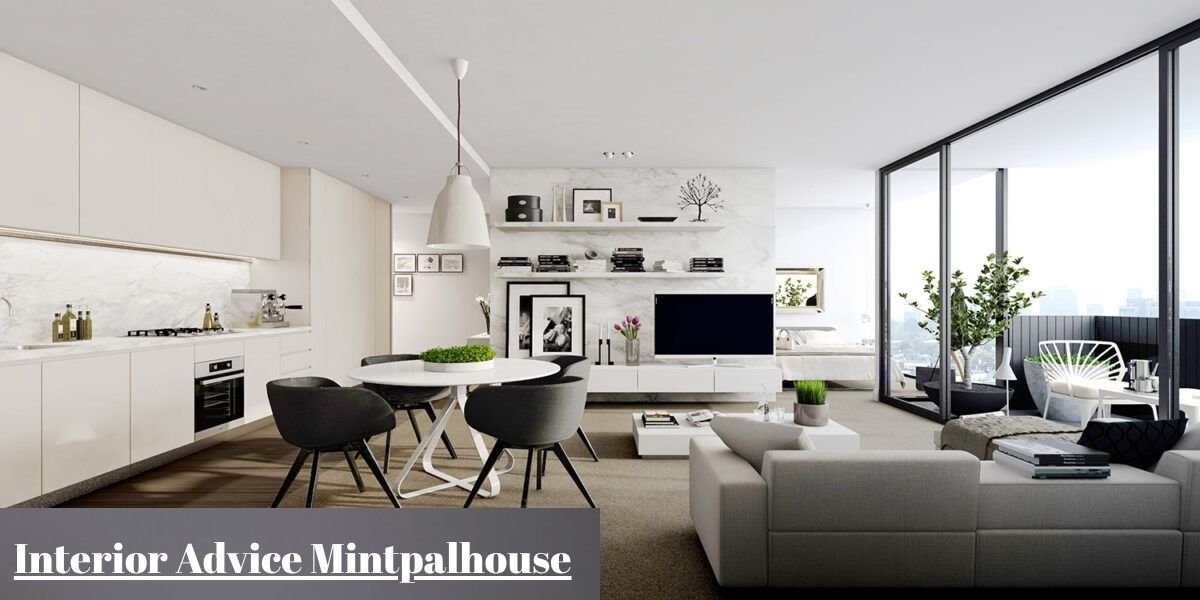
Create a Scandinavian Farmhouse Living Room
The living room should act as a sanctuary of comfort and functional simplr the seating arrangement with a deep, comfortable sofa upholstered in a neutral textured fabric like linen, brushed canvas, or textured twill.
Pair the seating with a clean-lined natural wood coffee table, avoiding heavy or overly ornate carvings.
Incorporate practical storage solutions, such as a low-profile oak media console or minimalist built-in shelving, to keep everyday clutter completely out of sight.
Introduce life and organic movement with carefully placed greenery, such as an established olive tree in a terracotta pot or a simple ceramic vase holding sculptural dried branches.
Design a Scandinavian Farmhouse Kitchen
Kitchens easily fall into the trap of looking like rigid commercial spaces or overly themed country sets. Counteract this by selecting simple Shaker-style cabinetry finished in warm white, soft greige, or muted sage green.
Pair the cabinetry with understated unlacquered brass or matte black hardware that develops a natural patina over time.
Incorporate a classic apron-front fireclay sink combined with honed quartz or soapstone countertops.
Use open oak shelving sparingly to display a curated collection of handmade ceramic mugs and everyday dishware, keeping counters free of unnecessary appliance clutter.
Create a Scandinavian Farmhouse Dining Area
Dining spaces center around communal gathering and honest craftsmanship. Invest in a substantial wooden dining table featuring a natural, live-edge or clean rectangular grain.
Surround the table with a mix of simple Scandinavian wooden chairs and perhaps a built-in bench seating nook lined with custom linen cushions.
Suspend a sculptural pendant light—crafted from matte metal, woven rattan, or folded paper by brands like Le Klint—directly above the center of the table.
Keep the tabletop styling minimal, relying on a simple ceramic bowl or a low wooden tray holding seasonal branches.
Create a Calm Scandinavian Farmhouse Bedroom
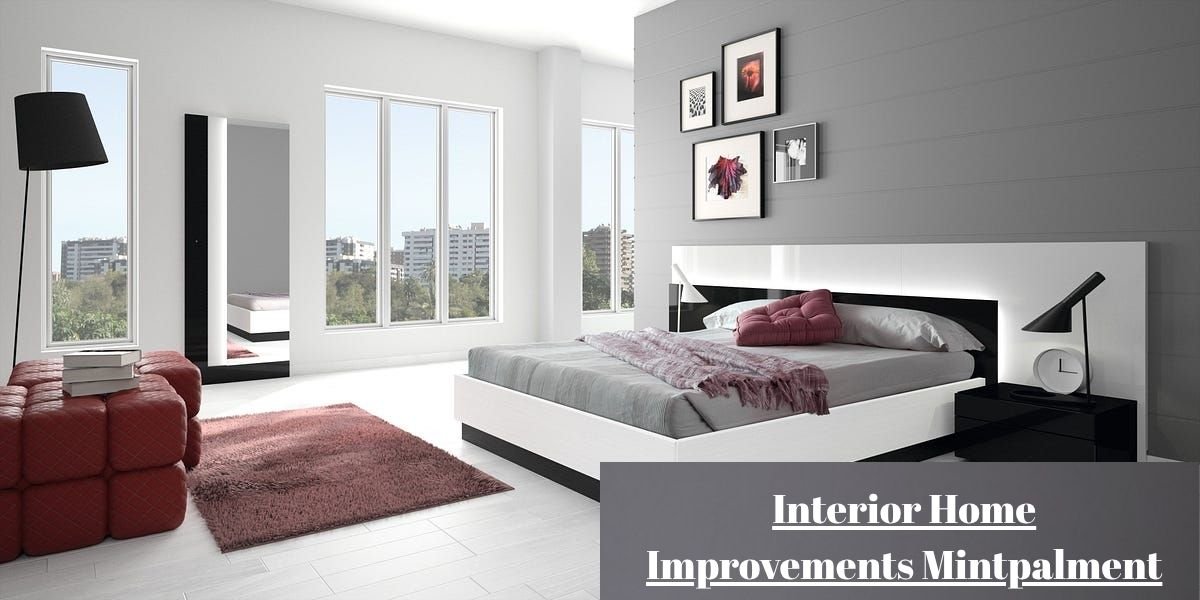
Bedrooms require absolute visual tranquility to promote rest. Layer the bed with washed linen duvet covers, waffle-weave cotton blankets, and structured wool accent pillows in shades of oatmeal, soft gray, and warm beige.
Choose low-profile wooden bedframes with clean silhouettes, paired with vintage wooden bedside tables or floating oak shelves.
Keep wall decor to an absolute minimum, letting the play of morning light across textured plaster or muted neutral paint do the work.
Bring the Style Into the Bathroom
Bathrooms benefit immensely from the introduction of natural, grounding elements. Swap out cold chrome fixtures for brushed nickel or unlacquered brass faucets.
Incorporate natural wood accents through a teak vanity tray, a wooden bath stool, or floating oak shelves holding rolled waffle-knit cotton towels.
Keep tile choices simple, opting for matte white zellige or soft gray stone tiles that feel organic underfoot.
Don’t Overlook the Entryway
The entryway sets the tone for the entire home while serving a heavy operational purpose. Install a sturdy wooden bench where family and guests can sit to remove shoes, paired with a clean black metal wall hook rail for coats and bags.
Tuck woven rattan baskets underneath the bench for hidden shoe storage.
Hang a simple round mirror with a slim oak or black iron frame to bounce natural light into the typically tight transitional space, proving that functional zones can remain entirely serene.
Choose Lighting That Makes the Materials Feel Warm
Artificial lighting can completely make or break a Scandinavian farmhouse interior. Harsh overhead cool-toned lighting destroys the cozy, intimate atmosphere the style relies on.
Layer ambient, task, and accent lighting using warm bulbs rated between 2,400K and 2,700K.
Combine floor lamps with linen shades, ceramic table lamps, and understated wall sconces to create pools of soft light rather than blinding illumination.
Add Farmhouse Character Through a Few Meaningful Pieces
Restraint is what separates an authentic designer look from a mass-market retail display. Instead of buying dozens of distressed accessories, curate a few high-impact vintage or antique pieces that tell a real story.
Position an old wooden milking stool in a corner, display a weathered antique cutting board in the kitchen, or hang a salvaged mirror with an aged wood frame.
One genuinely historic or handcrafted item anchors a room with authenticity far better than a cart full of factory-distressed home decor.
Keep the Home Personal
A true Scandinavian farmhouse should reflect the people who live inside it, never looking like a sterile staging showroom.
Allow personal history to show through collections of well-read books, framed family photographs, inherited ceramics, and art pieces picked up during travels.
The design framework simply organizes these personal items cleanly, ensuring the home feels deeply loved, highly functional, and distinctly individual.
How to Get the Look Without Remodeling Your Whole House
Achieving this design aesthetic does not require breaking down walls or launching a costly, multi-month renovation. Homeowners working within a tight budget can completely transform their space by focusing on strategic updates:
- Clear Visible Surfaces: Declutter countertops, tabletops, and open shelves to let the structural room breathe.
- Refine the Paint: Repaint walls in a soft warm white or muted neutral to immediately eliminate cool, clinical undertones.
- Swap Textiles: Introduce heavy linen curtains, wool rugs, and textured throw pillows to build immediate physical warmth.
- Incorporate Natural Wood: Add a wooden coffee table, stools, or decorative bowls to bring organic texture into play.
- Upgrade Lighting: Replace harsh bulbs with warm-toned alternatives and introduce bedside and floor lamps for layered ambiance.
- Edit Accessories: Remove mass-market plastic decor and replace them with one or two meaningful vintage pieces or handmade ceramics.
Frequently Asked Questions
Is Scandinavian farmhouse the same as modern farmhouse?
While both styles share a love for rustic charm, modern farmhouse often leans toward heavier industrial metals, darker accent colors, and heavily distressed finishes. Scandinavian farmhouse is noticeably more restrained, focusing on lighter blonde woods, minimalist silhouettes, and luminous neutral palettes.
What colors are best for Scandinavian farmhouse interiors?
The ideal color palette relies heavily on warm whites, soft creams, pale greige, and taupe as a foundation. These are accented by natural wood tones and muted earthy hues like olive green, dusty blue, and charcoal gray.
What type of wood works best with Scandinavian farmhouse style?
Light blonde woods like white oak, ash, pine, and birch form the core of the style. These can be paired selectively with aged, reclaimed, or weathered timber pieces to introduce historic character without darkening the room.
Can Scandinavian farmhouse style work in a small home?
Yes, it works exceptionally well in compact spaces because its core principles emphasize clean lines, unburdened circulation paths, and light-reflecting surfaces that make small rooms feel larger and more open.
How can I make my home Scandinavian farmhouse without remodeling?
You can achieve the look without structural changes by updating paint colors, swapping out harsh lightbulbs, laying down natural fiber rugs, hanging linen window treatments, and introducing minimal vintage wood furniture.
How do you make Scandinavian style feel warmer?
You warm up a minimalist Scandinavian space by leaning heavily into tactile textiles like wool, linen, and bouclé, alongside warm wood tones, brass hardware, and layered ambient lighting.
Can you mix modern furniture with Scandinavian farmhouse decor?
Mixing furniture styles is essential to the look. Sleek, contemporary sofas or chairs pair brilliantly with rustic vintage coffee tables or reclaimed wood dining tables, creating a curated, collected-over-time atmosphere.