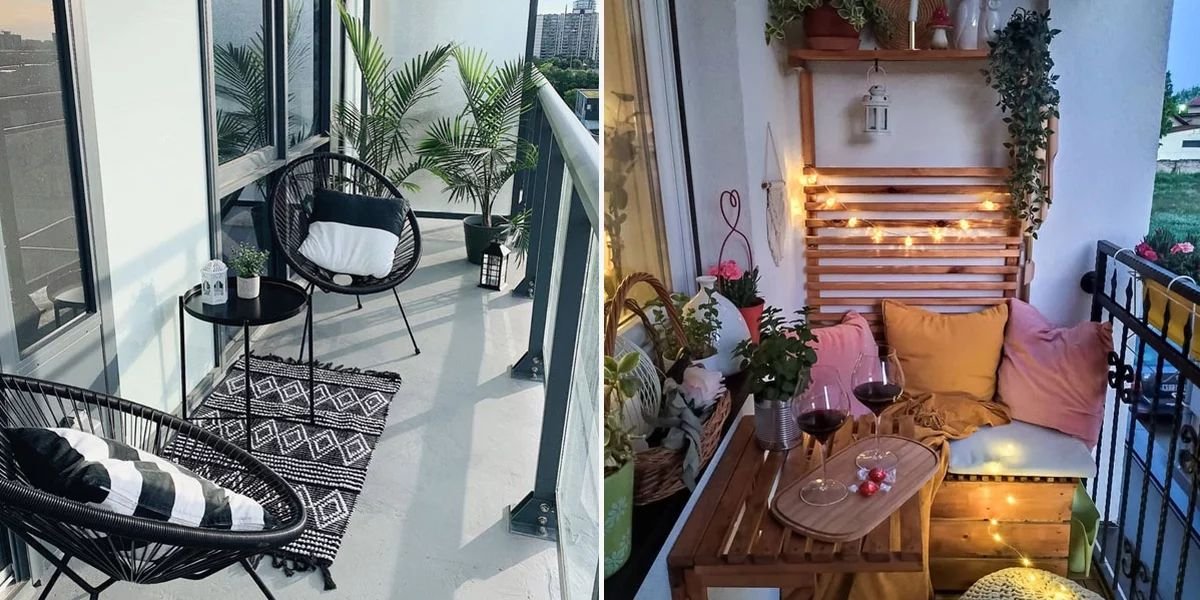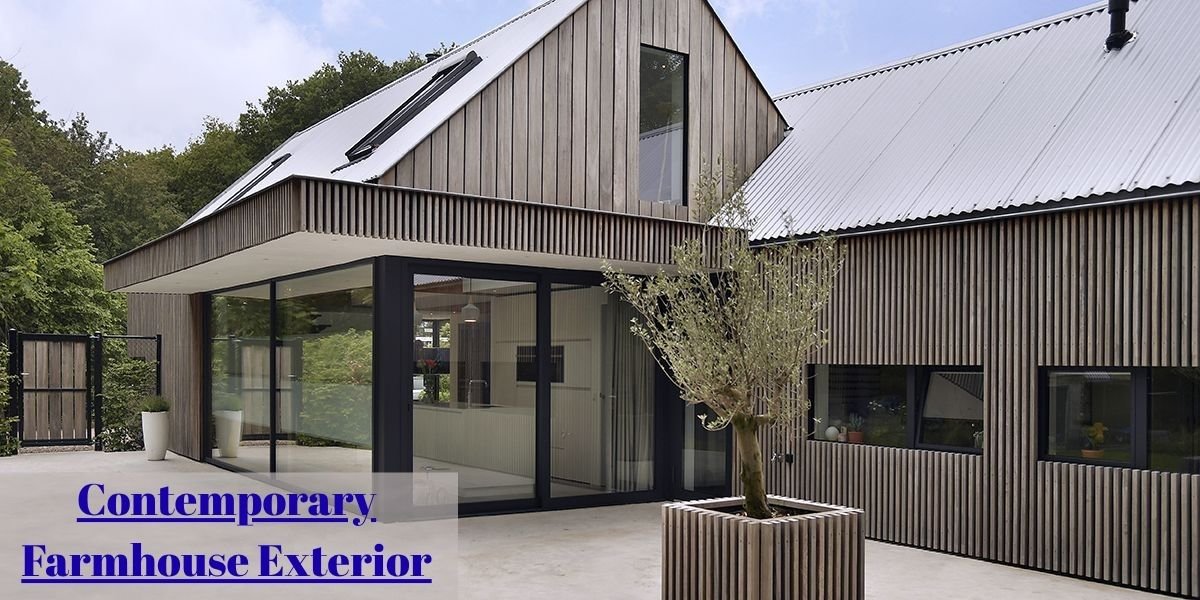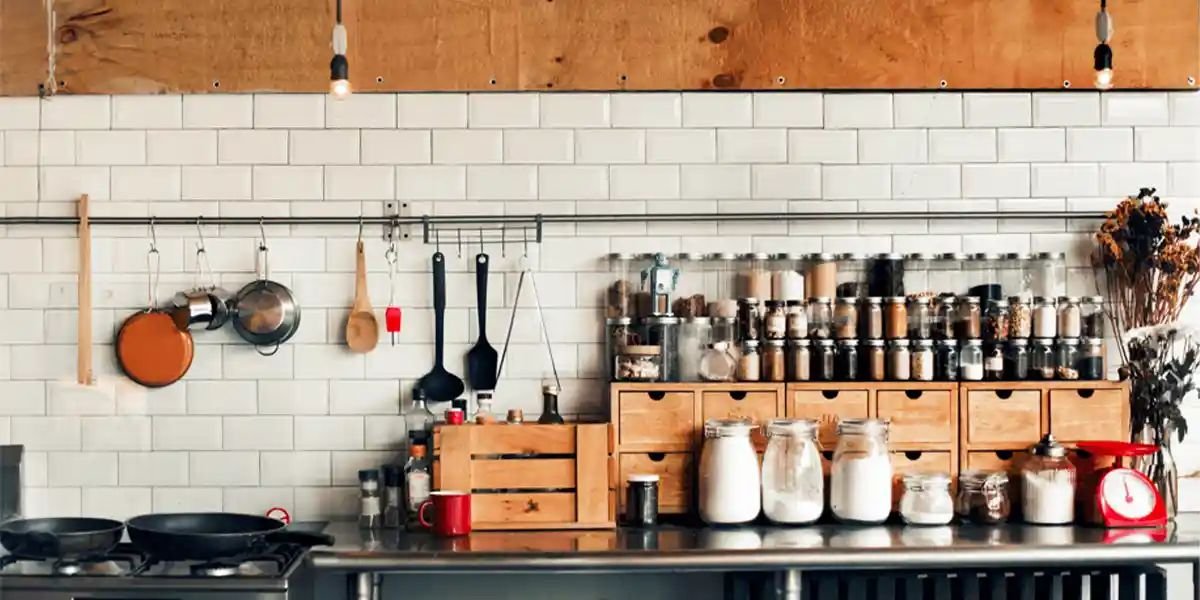

Decorating a home in 2026 is less about making every room look like a showroom and more about creating spaces with warmth, character, and a personal sense of style. Homeowners are exploring richer colors, textured materials, vintage furniture, and decorative details that make their surroundings feel lived-in rather than perfectly coordinated. The challenge is deciding which of these ideas will actually work in your home without replacing everything you already own.
Recent design-industry reporting supports this shift. The 2026 interior design trends report from 1stDibs found that maximalism, eclectic interiors, chocolate-brown color schemes, and vintage furnishings were attracting considerable interest among designers. Meanwhile, Houzz’s 2026 home design trends coverage highlights warmer colors and natural textures as important directions in residential interiors.
These trends offer useful inspiration, but following them successfully requires more than buying fashionable accessories. The size of your rooms, the furniture you already have, the amount of natural light, and your budget all influence which decorating choices make sense.
If you’re wondering how to decorate your house with DecoradHouse ideas in mind, start by understanding the styles gaining attention this year and learning how to adapt them to your own space.
What Home Decor Trends Are Popular in 2026?
Several decorating directions stand out in current interior design coverage. Warm, earthy colors are gaining attention, while vintage furniture and collected accessories are helping interiors feel more individual. Natural materials and textured finishes are also prominent, alongside a renewed interest in expressive patterns and distinctive decorative details.
One notable change is the growing interest in rooms that combine different styles rather than relying on matching furniture and accessories. A contemporary sofa might sit beside an older wooden cabinet, while patterned cushions and original artwork introduce contrasting colors.
This does not mean minimalism has disappeared or that every room needs bold wallpaper and antique furniture. The practical direction is toward greater flexibility: some people prefer restrained interiors with a few textured details, while others enjoy stronger colors and more decorative layering.
The following ideas show how to use these trends without losing sight of comfort, practicality, or your own preferences.
Decorate My House — DecoradHouse Ideas and Decor Trends
1. Bring Warm, Earthy Colors Into Your Rooms
Color is one of the simplest ways to change how a room feels without replacing its furniture. In 2026, chocolate brown, burgundy, muted greens, warm neutrals, and selected softer shades are receiving attention in designer trend reports. A 1stDibs survey of interior designers identified chocolate brown as a leading color choice for 2026, with 33% of respondents selecting it.
You do not need to paint every wall a deep color to use this trend. Start with the room’s existing features. If you have a gray sofa, wooden flooring, or cream walls, introduce warmer shades through cushions, curtains, artwork, or a rug.
For a more noticeable change, consider painting one wall or using a deeper shade across the walls and woodwork in a smaller room. This technique, often called color drenching, creates a more continuous appearance by using a similar color across multiple surfaces. It works particularly well when you want the architecture and furnishings to feel connected, although a very dark palette may make a poorly lit room feel heavier.
Before buying paint, test a few samples on the actual walls. Observe them in morning daylight, afternoon light, and the evening illumination you normally use. The same shade can look quite different depending on the room’s exposure and artificial lighting.
A practical starting point: Choose one main color, one complementary neutral, and one accent shade. Use them across several elements rather than introducing a different color for every accessory.
2. Use Natural Wood and Textured Materials to Add Character
Smooth surfaces and matching finishes can make a room look tidy, but they can also leave it feeling flat. Wood grain, woven fabrics, ceramics, wool, linen, and textured wall finishes introduce visual variation without requiring a complicated color scheme.
Current design coverage highlights an interest in materials that show their natural character, including darker woods, handmade finishes, and tactile surfaces.
You can incorporate this direction gradually. A wooden side table, a textured cushion, a woven basket, or a ceramic lamp may be enough to soften a room dominated by smooth furniture and hard surfaces.
Pay attention to the finishes you already have. If your room contains pale oak furniture, introducing a darker walnut piece can create contrast. The combination usually feels more intentional when another element, such as a picture frame or a small decorative object, helps connect the different wood tones.
Natural materials also have practical limitations. Some require regular maintenance, and certain woven surfaces can collect dust. In busy households, choose materials according to how the room is used rather than appearance alone.
A practical starting point: Identify one surface that makes your room feel visually flat, then introduce a contrasting texture through a rug, curtain, lamp, or furniture piece.
3. Mix Vintage Furniture With Modern Pieces
A home does not need to be furnished entirely from one collection to look coordinated. In fact, combining furniture from different periods can create a more distinctive interior.
Vintage and antique pieces are attracting renewed interest in current design reporting. The 1stDibs 2026 designer survey found that 36% of the items designers sourced for an average project in 2025 were vintage or antique. This figure describes the designers surveyed, not the proportion of vintage furniture in all homes, but it illustrates the continued professional interest in older furnishings.
You can use the same principle without purchasing expensive antiques. An inherited wooden cabinet, a secondhand bedside table, or an older chair with attractive proportions can work alongside contemporary furniture.
The important consideration is balance. If your living room has a modern sofa, an older coffee table can introduce contrast. Repeat one or two colors or materials elsewhere in the room to help the pieces relate to each other.
Avoid buying vintage furniture simply because it is fashionable. Check its condition, dimensions, stability, and suitability for your needs. A beautiful cabinet that obstructs a doorway or offers little usable storage may not be a worthwhile addition.
A practical starting point: Before buying new furniture, look at what you already own, including items stored elsewhere in the house. Rearranging or repurposing one distinctive piece may achieve the effect you want at little cost.
4. Make Lighting Part of the Decorating Plan
Lighting affects how colors appear, how comfortable a room feels, and whether different areas work well for their intended purposes. It deserves attention before you spend money on smaller decorative accessories.
A room with one bright ceiling fixture may be adequately illuminated, but it can lack the flexibility needed for reading, relaxing, or entertaining. A more considered arrangement combines different types of lighting:
- Ambient lighting provides general illumination through ceiling fixtures or other broad light sources.
- Task lighting helps with specific activities, such as reading, cooking, or working at a desk.
- Accent lighting draws attention to artwork, shelves, architectural features, or other focal points.
For example, a living room might use a ceiling fixture for general illumination, a floor lamp beside the reading chair, and a table lamp near the sofa. Together, these sources allow the room to serve different purposes throughout the day.
You can also improve the use of natural light by avoiding heavy window coverings where privacy does not require them. Mirrors may help distribute light visually, although their effect depends on what they reflect and where they are placed.
If you rent your home, plug-in lamps and appropriately installed fixtures may offer a practical alternative to permanent electrical changes. Always follow the manufacturer’s instructions and relevant electrical safety requirements.
A practical starting point: Identify the activities that take place in each room and make sure the lighting supports them. A reading corner needs a different solution from a hallway or dining table.
5. Introduce Pattern Without Overwhelming the Room
Patterns can make a room feel more personal, especially when the rest of the decor is relatively restrained. Current interiors coverage points to renewed interest in expressive wallpaper, layered textiles, and decorative details that add character.
You do not need to cover every surface in a pattern to achieve this effect. A patterned rug, floral curtains, striped cushions, or a wallpapered section can introduce enough visual interest.
The challenge is choosing patterns that relate to one another. A useful approach is to vary their scale. A large floral design might work alongside a smaller geometric pattern if both share a color. A plain sofa or simple bedding can provide visual relief between more expressive elements.
Consider the size and function of the room as well. A bold wallpaper may suit a small entryway or powder room, where it creates a deliberate focal point. In a living room already filled with colorful artwork and patterned furniture, adding another dominant print may make the space feel crowded.
Think about maintenance before choosing patterned textiles for frequently used areas. Washable cushion covers and durable rugs are often more practical for households with children or pets.
A practical starting point: Choose one patterned item you genuinely like, then pick two colors from it to repeat elsewhere in the room.
6. Choose Furniture for Comfort, Proportion, and Everyday Use
A fashionable piece of furniture is not necessarily the right piece for your home. Its size, shape, comfort, and relationship to the rest of the room matter far more than whether it appears in a design trend report.
Contemporary interiors increasingly emphasize spaces that feel personal and lived-in rather than overly curated. That makes comfort and functionality important considerations when updating furniture.
Begin by measuring the room and identifying the main routes people need to move through. A large sofa may look attractive in a showroom but overwhelm a compact living room. Similarly, a coffee table that leaves insufficient room to move between seats can make everyday use frustrating.
Rounded furniture and softer silhouettes are worth considering if they suit your layout. A curved chair can soften a room dominated by straight lines, but it may be less practical than a compact rectangular piece in a narrow space.
If replacing furniture is not an option, consider rearranging it first. Position seating to encourage conversation, move pieces away from obstructed doorways, and check whether tables are at comfortable heights for the furniture around them.
A practical starting point: Measure your room and furniture before purchasing anything. Include space for doors to open, drawers to extend, and people to move comfortably.
7. Display Artwork and Personal Objects Instead of Buying Matching Accessories
A room becomes more distinctive when its decorations reflect the people who live there. Artwork, photographs, books, travel souvenirs, and handmade objects can provide that sense of individuality without requiring a complete redesign.
The interest in eclectic interiors and vintage pieces documented in the 2026 designer survey supports this broader direction toward more personal spaces.
Start with a few objects that matter to you. Arrange framed photographs together, display a small collection of ceramics on a shelf, or place a favorite artwork where it can become a focal point.
Scale is important. A tiny picture floating above a large sofa may look disconnected, while a well-proportioned artwork or a group of smaller frames can anchor the wall. When creating a gallery wall, lay out the arrangement on the floor first to see how the sizes and spacing work together.
Resist the temptation to fill every empty surface. A few well-placed objects are often easier to appreciate than shelves crowded with decorative purchases.
You can also combine old and new pieces. A contemporary print beside a family photograph or a handmade bowl on a modern console can give the room a more individual character.
A practical starting point: Before buying new accessories, gather the objects you already own and choose a few that complement the room’s colors, proportions, or personal story.
8. Use Indoor Plants and Natural Details Where They Will Thrive
Plants introduce living color and can soften the appearance of shelves, windowsills, and empty corners. They are a useful decorating choice, but selecting them according to the room’s conditions is more important than following a particular plant trend.
Consider the amount of daylight available, the temperature, humidity, watering requirements, and the time you can spend on care. A plant that thrives beside a bright window may struggle in a dim hallway.
If you have limited natural light, research species that tolerate lower-light conditions rather than assuming any indoor plant will work. Remember that low-light tolerance does not mean a plant can survive indefinitely without adequate light.
Placement matters, too. A large plant can provide a focal point beside a sofa, while smaller plants may suit a kitchen windowsill or shelving unit. Keep leaves away from walkways and ensure pots are stable enough to avoid tipping.
If maintaining live plants is impractical, branches, dried arrangements, or botanical artwork can introduce a similar visual connection to nature without the same care requirements.
A practical starting point: Choose plants for the conditions you actually have, then select pots that complement the room rather than treating the plant as an isolated accessory.
9. Make Small Rooms Feel More Spacious Through Better Planning
Small rooms benefit from careful planning, not necessarily from removing all color or decoration. The aim is to preserve usable floor space, maintain clear routes through the room, and avoid making furniture compete for attention.
Start by identifying what the room needs to accommodate. A living room may require seating, storage, and a place to work. A bedroom may need a bed, bedside lighting, clothing storage, and enough room to access wardrobes comfortably.
Multifunctional furniture can help, provided it genuinely serves a purpose. A storage ottoman may provide seating and a place to keep blankets, while a compact dining table might also serve as a workspace. However, a bulky convertible piece can be less useful than simpler furniture if it is difficult to move or operate.
Use vertical storage where appropriate, but avoid filling every wall with shelves. Keeping some areas visually open can help the room feel less crowded.
Mirrors may make a small room appear brighter or more open when they reflect a window or an attractive part of the room. Their placement matters more than simply adding the largest mirror available.
A practical starting point: Remove items that obstruct movement, measure the furniture, and decide where each essential activity will take place before purchasing additional storage or decorative pieces.
10. Refresh Your Living Room and Bedroom With a Few Well-Chosen Changes
The living room and bedroom are useful places to begin because relatively small changes can affect how comfortable and cohesive they feel.
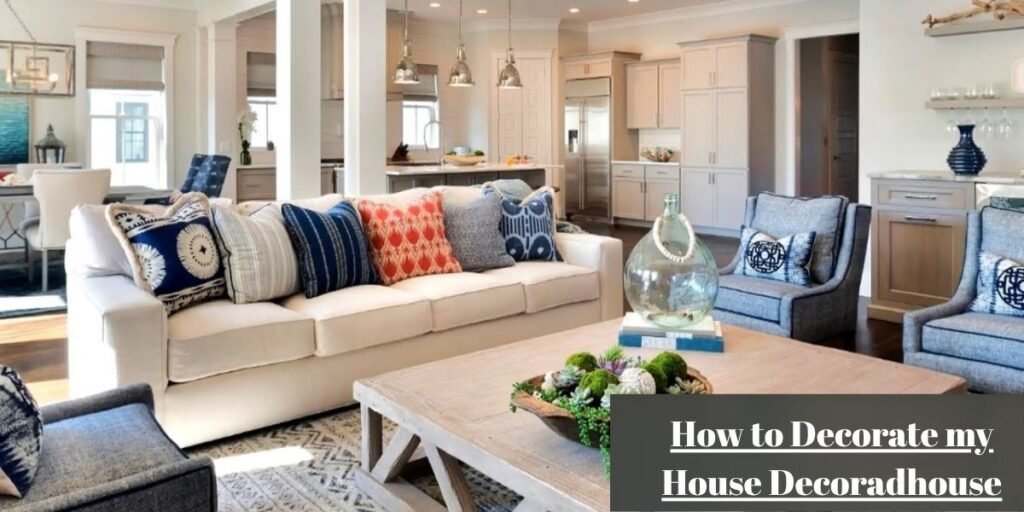
In the living room, start with the seating arrangement. Make sure the main seats relate to one another, the coffee table is easy to reach, and the rug is appropriately sized. Then consider whether the room needs warmer colors, additional lighting, or more texture.
A room with neutral furniture may benefit from a patterned rug and a few colorful cushions. Another room might need less decoration rather than more: removing unnecessary accessories and improving the arrangement can make existing pieces more noticeable.
In the bedroom, focus on the bed, lighting, and textiles. Coordinated bedding, curtains that suit the room’s proportions, and suitable bedside lamps can make the space feel more considered. You do not need to replace the bed frame or buy a matching furniture set to create a consistent look.
Consider practical needs as well. Blackout curtains may be useful for people who need to sleep during daylight, while bedside storage can prevent everyday objects from accumulating on the floor or bed.
In both rooms, make changes gradually. Living with a new arrangement for a few days can reveal whether it genuinely improves the space before you spend money on additional items.
How to Follow Home Decor Trends Without Overspending
Following decorating trends does not require replacing everything that looks dated or buying every item featured in an inspiration photograph. A more sensible approach is to identify the changes that will make the biggest difference to your home.
Start with what you already own. Rearrange furniture, remove items that no longer serve a purpose, and look for pieces that could work better in another room. You may discover that the main problem is poor lighting or an awkward layout rather than outdated furniture.
Next, choose one or two changes that address the actual problem. New cushion covers, a better-positioned lamp, a carefully chosen rug, or a fresh wall color can alter the appearance of a room without a major expense.
When considering larger purchases, prioritize items you will use frequently. A comfortable sofa, a well-made dining table, or a suitable mattress may justify greater investment than decorative accessories that have little practical value.
It is also worth distinguishing between a trend you genuinely like and one that looks appealing only in photographs. Before committing to a bold paint color, expensive wallpaper, or a distinctive furniture style, consider whether it will suit your home over time.
Finally, leave room in your budget for practical needs such as installation, maintenance, and replacement. An inexpensive item is not necessarily economical if it does not withstand everyday use.
Common Decorating Mistakes to Avoid When Updating Your Home
- Buying furniture before measuring the room: A piece that looks appropriately sized in a showroom may overwhelm your space. Measure the available area and account for movement, doors, and access to storage.
- Choosing paint from a small color sample alone: Lighting and surrounding finishes influence how paint appears. Test samples on the wall and observe them at different times of day.
- Using only overhead lighting: A single bright fixture may not provide the flexibility needed for reading, relaxing, or entertaining. Add suitable task or accent lighting where it serves a clear purpose.
- Mixing too many unrelated patterns: Different prints can work together, but a shared color or a difference in pattern scale helps maintain balance. If the room already contains several strong patterns, keep new additions simpler.
- Buying accessories before planning the room: Decorative pieces cannot compensate for an awkward layout or inadequate lighting. Address those practical issues first.
- Copying a trend without considering your home: A decorating style may look excellent in a large, naturally lit room but work poorly in a smaller space with different architectural features. Adapt the idea to your own conditions instead of reproducing the photograph exactly.
Conclusion
Decorating your home in 2026 does not mean following every new style or replacing furniture that still serves you well. Warmer colors, natural textures, vintage pieces, expressive patterns, and personal artwork offer useful ways to update a room, but their success depends on how thoughtfully they are used.
Start with the areas that genuinely need improvement. Consider the room’s lighting, layout, furniture, and existing colors before deciding what to buy. Then introduce changes gradually, choosing pieces that suit both your taste and the way you live.
The best home decor trends are the ones you can adapt to your own surroundings. A well-arranged living room, comfortable bedroom, or thoughtfully decorated corner can feel current and personal without requiring an expensive makeover.