
A property exterior sets the first impression for guests, neighbors, and potential buyers long before anyone steps inside. Better curb appeal or a restored facade does not have to mean a huge budget or weeks of demolition. A few well-chosen updates to the right focal points can turn a tired house into a warm, inviting home.
The best results come from pairing real maintenance with smart decorative upgrades. Cleaning stained surfaces, repainting the front door, trimming overgrown plants, and adding functional lighting each make a visible difference. Knowing which projects return the most for your effort tells you where to spend your time and money first.
The numbers back this up. In Zonda’s 2025 Cost vs. Value report, garage door replacement recouped about 268% of its cost at resale and a steel entry door replacement returned 216.4%, according to Fixr’s breakdown of the report data. Both projects sit at the front of the house, which is exactly where buyers and neighbors look first.
DecoradHouse readers often ask for practical ways to upgrade a property without overspending. Many exterior fixes take a single afternoon. Others need careful material choices and proper surface prep to survive harsh seasons. Matching each upgrade to your home’s architecture and regional climate is what makes the results last.
This guide covers twelve high-impact home exterior hacks built around durable materials and realistic DIY workflows.
What Is DecoradHouse?
DecoradHouse is an online home design and lifestyle platform that publishes practical advice for residential interior and exterior improvements. Its content covers a wide range of home topics, including architectural accenting, outdoor living space design, seasonal landscaping, and interior styling.
The site leans toward budget-friendly upgrades that create a noticeable visual change. Readers will find a few recurring themes.
Popular topic areas include:
- Front door restoration techniques and bold color selection
- Exterior surface painting and protective coating choices
- Modern outdoor security and ambient lighting setups
- Low-maintenance garden planning
- Functional upgrades for patios, porches, and backyards
DecoradHouse also covers general decorating ideas such as furniture makeovers and indoor lighting schemes. Even so, exterior improvements remain a cornerstone of its guidance on protecting and building property value.
What DecoradHouse Recommends for Home Exterior Hacks
The core philosophy is simple. Aim for high visual impact through targeted, low-cost changes rather than a total overhaul. Small updates done with precision and proper surface prep often beat expensive additions that skip the groundwork.
Stacking several small updates is where the real payoff comes from, because the property starts to read as one cohesive design. Power washing the walls before painting shows the true condition of the siding. Trimming back branches reopens the sightline to a refreshed front door. Accent lighting then picks out the architectural texture and gives the whole facade a finished look.
DecoradHouse does occasionally cover interior furniture repurposing. For return on effort, though, dedicated exterior fixes consistently do more for how a home looks from the street.
Home Exterior Hacks in 2026
The twelve ideas below focus on durable materials, honest DIY workflows, and upgrades that add real value. Each one includes the technical details that separate a lasting repair from a quick cover-up.
1. Clean Exterior Surfaces Before Repainting
Dirt, algae spores, and airborne pollutants make wood, brick, concrete, and vinyl siding look older than they are. Paint applied over a grimy or chalking surface will not bond properly, and the result is early peeling or bubbling.
Each cladding material needs its own cleaning method. Using the wrong one is one of the most common ways homeowners damage siding while trying to improve it.
Match the method to the material:
- Vinyl and aluminum siding: use a low-pressure wash with a mild biodegradable detergent. This loosens grime without driving water behind the panels.
- Brick and natural stone: use soft-bristled brushes and a masonry cleaner. High pressure can blast out fragile historic mortar joints.
- Painted wood trim: scrub by hand with a trisodium phosphate substitute to lift oily grime, then rinse thoroughly with clean water.
Let every cleaned surface dry for 24 to 48 hours before you inspect for damage or apply primer and paint.
One safety point matters for older homes. Lead-based paint was banned for residential use in 1978. Under the EPA’s Renovation, Repair and Painting Rule, paid contractors working in pre-1978 homes must be lead-safe certified and follow specific work practices when they disturb more than 20 square feet of exterior painted surface, as outlined in the Maryland Department of Labor’s RRP guidance. The rule targets contractors, but homeowners scraping and sanding a pre-1978 house create the same dust. Test for lead first and hire a certified pro if the result is positive.
2. Refresh the Front Door and Entrance
The front entry is the focal point of the exterior. A faded, scuffed, or weather-damaged door drags down the whole property, no matter how neat the lawn is.
Restoring an entry takes a handful of inexpensive steps. Strip flaking paint or sand chipped finishes back to a smooth base. Coat the door with an exterior-grade acrylic enamel built to resist UV fading and temperature swings. Swap tarnished or sticking locksets for modern hardware in a matching finish such as matte black or brushed brass. Mount clear house numbers at eye level and replace the worn doormat with a durable coir one.
The payoff can be large. The Cost vs. Value data shows a steel entry door replacement averaging a $5,270 resale value in the 2025 report, and SoFi’s summary of the report puts the return at 216.4% of cost. You do not have to replace the door to benefit. A well-prepped repaint with new hardware captures much of the same visual lift at a fraction of the price.
Check the door frame for rot and failed caulk before you paint. Moisture that slips into the wall cavity during winter storms causes damage that paint will only hide.
3. Coordinate Exterior Paint and Trim Colors
A scattered palette makes even a well-built home look messy. Body color, trim, shutters, and entry door should work together so the facade reads as one design.
A few proven principles keep the palette balanced.
Follow these color guidelines:
- Pick a body color that complements fixed elements such as roof shingles, stone veneer, or chimney brick.
- Use a contrasting trim color on window frames, fascia boards, and soffits to sharpen the architectural lines.
- Reserve bold, saturated shades like deep crimson, navy, or forest green for the front door and accent shutters.
Test large swatches on more than one side of the house. Watch how direct sun, overcast skies, and evening shade shift the color across the day. A shade that looks calm at noon can turn muddy at dusk, and the swatch test is the cheapest insurance against a repaint.
4. Improve Lighting Around Entrances and Walkways
Good exterior lighting lifts curb appeal and makes the property safer for family and nighttime visitors. Dim or poorly placed fixtures leave dark zones across steps and paths, which is where most evening trips happen.
Practical placement makes the biggest difference. Mount weather-rated sconces on both sides of the entry door, roughly 60 to 66 inches above the porch floor. Line primary walkways with low-voltage LED stake lights spaced 6 to 8 feet apart so the light overlaps without creating glare. Use solar path lights in sunny garden beds where running wire is not practical.
Keep the DIY scope realistic. New circuits, outdoor subpanels, and repairs to damaged main wiring belong to a licensed electrician, both for code compliance and fire safety.
5. Tidy the Landscaping Without Redesigning the Garden
Overgrown trees, sprawling shrubs, and invasive weeds hide architectural features and block light from ground-floor windows. Cleaning up a yard does not require a landscape architect.
Targeted maintenance goes a long way. Prune low branches to leave at least 8 feet of vertical clearance above walkways. Shear overgrown shrubs back by about one-third to restore a clean shape and encourage fresh growth from the interior. Pull deep-rooted weeds and edge the lawn boundary with a sharp half-moon edger.
When you add or replace plants, choose native perennials suited to your region’s hardiness zone and rainfall. Natives generally need far less fertilizer, supplemental watering, and pest control, so the yard stays tidy with less work each season.
6. Update House Numbers and Other Visible Details
Small hardware details shape how visitors perceive a home. Faded plastic numbers, a rusted mailbox, and dated porch accessories all pull the overall impression down.
Fixing them takes minimal tools and budget. Install 5-inch to 8-inch metal address numbers made from rust-proof zinc, aluminum, or stainless steel. Replace a dented mailbox with a powder-coated steel unit that matches your door hardware finish. Update old utility covers, hose reels, and doorbell units to coordinated neutral tones.
Treat the numbers as a safety feature too. The International Fire Code sets a baseline of 4-inch characters with a half-inch stroke in a contrasting color for residential addresses, and fire departments scale that up with distance from the road. Bellevue’s fire prevention handout, for example, calls for 6-inch numbers at 51 to 100 feet and 8-inch numbers at 101 to 150 feet, as shown in the City of Bellevue premises identification guide. Stand at the curb at night and make sure you can read your own address.
7. Make Better Use of the Porch or Patio
An underused porch or patio usually turns into a storage zone for clutter. Turning it into a functional outdoor room adds usable square footage without any construction.
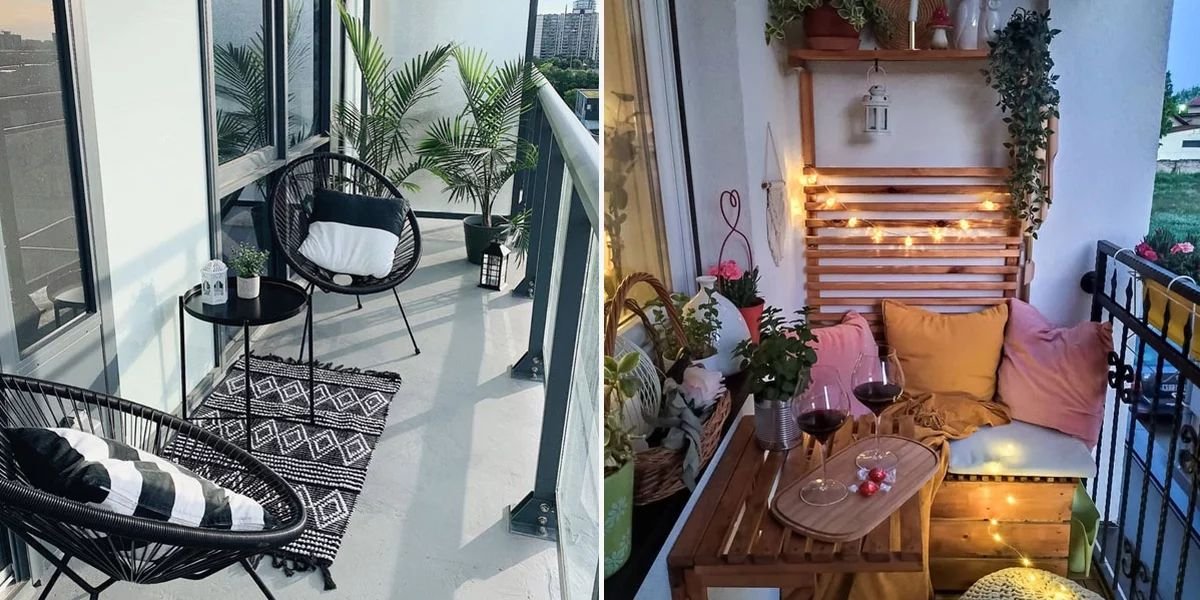
Start with weather-resistant seating in teak, powder-coated aluminum, or synthetic resin wicker, arranged to form a clear conversation area. Add cushions and pillows in solution-dyed acrylic fabric such as Sunbrella, which resists water and UV fading. Anchor the grouping with a quick-drying polypropylene rug that you can simply hose clean.
Leave at least 36 inches of open walking space along main footpaths. Furniture that blocks the route between yard and house looks crowded and creates a trip hazard.
8. Use Mulch and Garden Edging to Keep Beds Neat
Bare soil invites weeds and loses moisture fast during summer heat. A fresh layer of organic mulch unifies the planting beds and gives a crisp contrast against the lawn.
Technique matters here, and depth is where most people go wrong. The University of Illinois Extension recommends a mulch depth of 2 to 4 inches and says to keep mulch at least 4 inches away from tree trunks, as laid out in its proper mulching techniques guide. Piling mulch against the trunk, often called volcano mulching, traps moisture against the bark and invites rot and pests.
Apply the same logic near the house. Shredded hardwood or pine bark works well, and keeping it clear of wood siding limits moisture contact and gives termites less cover. Finish the bed with continuous metal, brick, or stone edging so turf roots cannot creep in.
Done correctly, mulch moderates soil temperature, cuts down on watering, and reduces topsoil erosion during heavy rain.
9. Keep Gutters and Downspouts Working Properly
A clogged or leaking gutter does far more than spill water onto the porch. Overflow erodes foundation soil, damages soffits, contributes to basement flooding, and leaves permanent streaks on siding.
A simple routine prevents most of it. Clear leaves, pine needles, and shingle grit at least twice a year, typically in late spring and late autumn. This Old House also recommends cleaning gutters at least twice a year and checking that they hold a slope of half an inch per 10 feet. Flush the downspouts with a hose nozzle to clear hidden clogs in the elbows.
Where the water lands matters just as much. The Department of Energy’s Building America Solution Center advises that downspouts should drain to daylight at least 5 feet from the foundation, or tie into an underground catchment system at least 10 feet away, per its gutters and downspouts guide. A cheap extender is often the best money you can spend on the whole exterior.
Inspect the seams for leaks and the brackets for sag, and replace damaged sections promptly so water never pools against the foundation.
10. Repair Peeling Paint and Damaged Exterior Trim
Painting over rotting wood or failed sealant only buys a few months. Trapped moisture makes the new finish blister and peel while the rot keeps spreading into the framing.
Proper prep follows a clear order. Scrape off all loose paint with a stiff carbide scraper and sand the edges smooth with 80-grit sandpaper. Dig out any soft or rotted wood and fill small voids with a high-strength two-part epoxy wood filler. Seal the gaps between trim boards, window frames, and siding with 100% exterior acrylic caulk to block water entry.
Remember the lead rule from the first hack. On a home built before 1978, scraping and sanding is exactly the activity the EPA’s RRP rule is designed to control, so test first and use lead-safe practices.
If you find widespread rot, structural sag, or serious water damage behind the trim, stop the cosmetic work. A licensed carpenter should assess the framing before anything gets painted.
11. Choose Durable Materials for Outdoor Improvements
Exterior materials take constant punishment from freezing temperatures, strong sun, heavy rain, and wind. Cheap products crack, warp, and need replacing far sooner than their price suggests.
Spend where the weather does the most damage. Choose solid brass or marine-grade stainless steel hardware to prevent corrosion in humid or coastal climates. Use composite decking or thermally modified timber on porches to avoid constant staining and sealing. Specify fiber cement trim near the ground, where moisture absorption and insect damage are the biggest threats.
Paying somewhat more up front for weather-resistant materials typically saves several hundred dollars in repairs over the life of the house. It also saves weekends, which is the cost people tend to forget.
12. Reuse Existing Features Before Buying New Decorations
A better exterior does not require an all-new shopping list. Restoring sound items you already own stretches the budget and cuts waste.
Simple restoration goes a long way. Sand tarnished metal planters, remove the oxidation, and finish them with a rust-inhibiting exterior spray paint. Sand weathered wooden benches, treat the wood with an exterior brightener, and seal it with a protective deck stain. Regroup existing ceramic pots into clusters of three near the entry to add height and texture.