

A home’s value is influenced by far more than its size or location. The condition of the property, the quality of its finishes, the state of its major systems, and even the way it looks from the street can all shape how buyers perceive it. That does not mean every renovation is a good investment. A large, expensive project can add less value than a smaller improvement that fixes an obvious problem or brings an outdated part of the house up to current expectations.
The most useful approach is to focus on changes that improve the home in ways buyers can see and use. Kitchen and bathroom updates, exterior work, better lighting, energy improvements, and necessary repairs can all have a place, depending on the house and the surrounding market. Current Cost vs. Value data also shows why homeowners should look beyond the size of a renovation: several exterior projects have recently produced stronger cost recovery than large upscale interior remodels.
This is where the MintPalHouse approach fits. Rather than treating every renovation as an automatic increase in property value, the focus should be on improvements that make the home better maintained, more functional, more appealing, and easier for the next owner to live with.
What Is MintPalHouse?
MintPalHouse is a home and garden platform covering practical subjects across interior design, DIY home projects, gardening and landscaping, outdoor living, home maintenance, and broader home trends. Its own site describes its Home Framework Guides as resources covering construction, renovation, and interior design, while its wider content focuses on ideas homeowners can actually put into practice.
The site also positions itself around practical home advice rather than decoration alone, with content covering subjects such as interior paint, floating shelves, sustainable materials, garden ideas, and home projects.
That makes home value a natural topic for MintPalHouse: good improvements are not only about making a room look newer. They can also address wear, improve everyday function, update dated spaces, and strengthen the overall condition of the property.
MintPalHouse Recommendations for Home Improvements That Can Raise Property Value
The strongest improvements are not necessarily the biggest ones. A homeowner should first look at the parts of the property that are visibly dated, poorly maintained, inefficient, or less functional than buyers expect.
Current renovation data supports this more measured approach. The 2025 Cost vs. Value figures cited by Opendoor place garage door replacement, steel entry doors, manufactured stone veneer, fiber-cement siding, and a minor kitchen remodel among the stronger-performing projects nationally.
For a MintPalHouse article, the recommendations should therefore cover both visible improvements and underlying condition, rather than presenting a list of expensive renovations.
10 Home Improvements That Can Increase Property Value
1. Give the Kitchen a Focused Update
A kitchen does not always need to be gutted to feel current. Replacing worn cabinet fronts or hardware, improving lighting, updating countertops, replacing damaged flooring, or bringing older appliances up to date can change the room considerably without turning it into an entirely different space.
The key point should be targeted improvement rather than unnecessary replacement. This also aligns with current cost-versus-value data, where a minor kitchen remodel performs considerably better than an upscale major kitchen remodel. Average project costs for a minor kitchen update hover around $25,000 to $35,000, retaining roughly 85% to 112% of its value at resale depending on the regional market. Homeowners looking to control budget constraints can utilize free online room visualizers provided by retail centers, though professional design software suites like Chief Architect or 2020 Design offer deeper layout planning, typically starting at $199 per month for professional licenses.
Evaluating existing cabinet boxes determines whether refacing or repainting is viable over a full tear-out. Selecting durable surfaces like quartz over high-maintenance soft marble protects long-term value, while upgrading to Energy Star certified appliances appeals directly to buyers focused on utility costs. Swapping outdated central incandescent fixtures for targeted LED task lighting under cabinetry finishes the space efficiently.
2. Refresh an Outdated Bathroom
Bathrooms receive daily use, so worn fixtures, damaged surfaces, poor lighting, old grout, and dated finishes can make an otherwise well-kept home feel neglected.
A strong section should cover sensible updates such as a new vanity, modern fixtures, improved lighting, fresh caulking, updated flooring, and better ventilation. Larger bathroom remodels can be discussed separately only where they solve genuine problems or bring the room in line with the rest of the house.
Midrange bathroom updates generally range from $6,000 to $15,000 for cosmetic overhauls. Essential tools for evaluating humidity and structural integrity during a refresh include moisture meters like the Extech MO280 (priced around $120), which help detect hidden wall dampness before installing new tile work.
Stripping out cracked caulk and failing grout to apply fresh, mold-resistant silicone sealants prevents ongoing water damage. Replacing original plumbing trim with modern, water-saving fixtures rated by WaterSense instantly elevates the room’s appearance. Swapping out single-overhead lighting for dual side-vanity fixtures reduces harsh shadowing, while upgrading passive ventilation fans to high-CFM, low-sone models pulls moisture out effectively.
3. Improve the Front of the House
Curb appeal is not about creating an elaborate landscape. A clean entry, maintained planting, an attractive front door, good exterior lighting, clean paths, and a well-kept lawn or planting area can change the first impression of a property.
This deserves its own section because current national renovation data continues to show strong results for several exterior projects. Simple landscape cleanup and entryway refreshes often require minimal capital outlay, often under $1,500 for basic materials like mulch, native plants, and path lighting.
Pressure washing concrete walkways, porch surfaces, and stone retaining walls removes years of grime instantly. Defining garden beds with crisp edging and fresh, dark organic mulch provides a clean structure to the yard. Installing high-visibility, modern house numbers that contrast sharply with background siding and replacing yellowed exterior porch lights with clean LED fixtures creates an immediate impact.
4. Replace a Worn Garage Door or Entry Door
Doors are one of the most visible improvements a homeowner can make, and they address appearance and function at the same time.
A garage door that’s dented, outdated, or sticks every time you use it drags down the whole exterior, and the same goes for an entry door with poor weather sealing or a style that clashes with the rest of the house.
This is also where the data makes the strongest case in the entire guide. Garage door replacement and steel entry door replacement rank among the highest-return projects tracked nationally in the current Cost vs. Value dataset, and by a considerable margin. A midrange garage door replacement typically runs $4,000 to $4,500 and has been shown to return upwards of 194% at resale. A steel entry door replacement averages roughly $2,300 to $3,500, with returns exceeding 188%, according to figures cited by Opendoor drawing on the Zonda Cost vs. Value report.
Look for insulation built around polyurethane foam cores with high R-values for better thermal performance. Heavy-gauge steel or composite construction resists dents and weather warping far longer than budget alternatives. A factory-baked finish coating means you won’t be repainting the door every few years, and multi-point locking hardware improves both security and how tightly the door seals against drafts. If your existing garage door still works but looks tired, some manufacturers now offer refacing kits that update the panel style and hardware finish without a full replacement, which is worth considering on a tighter budget.
5. Bring the Exterior Finish Back Into Good Condition
Peeling paint, damaged siding, stained surfaces, cracked trim, and neglected exterior details can make a property look older than it is.
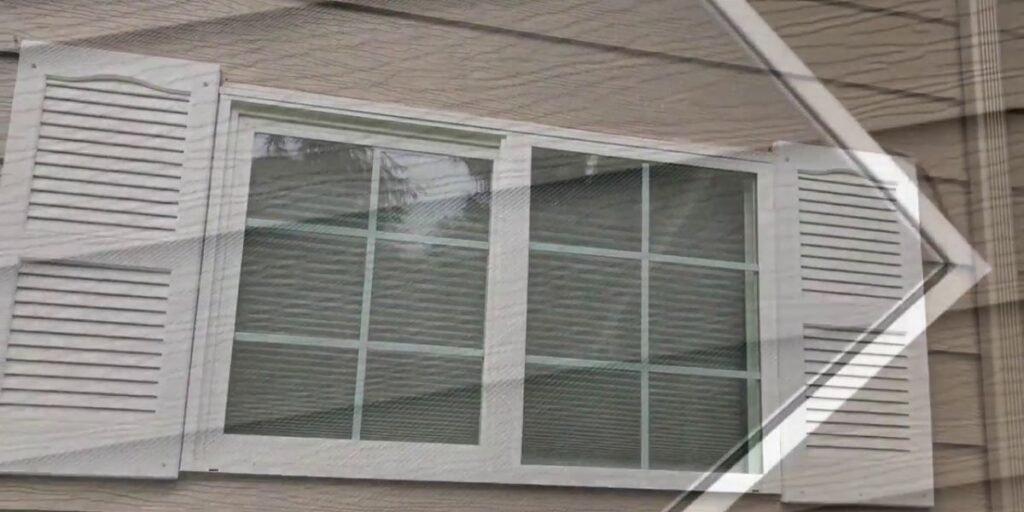
The article should distinguish between repairing or replacing genuinely worn exterior materials and adding decorative features simply because they are fashionable. Fiber-cement siding and manufactured stone veneer are useful examples when discussing larger exterior work because both appear prominently in current Cost vs. Value data. Manufactured stone veneer projects average $11,000 to $14,000 and recoup over 100% to 150% of their outlay. Complete fiber-cement siding replacement runs roughly $20,000 to $30,000 with an average ROI of 88% to 113% depending on local labor markets.
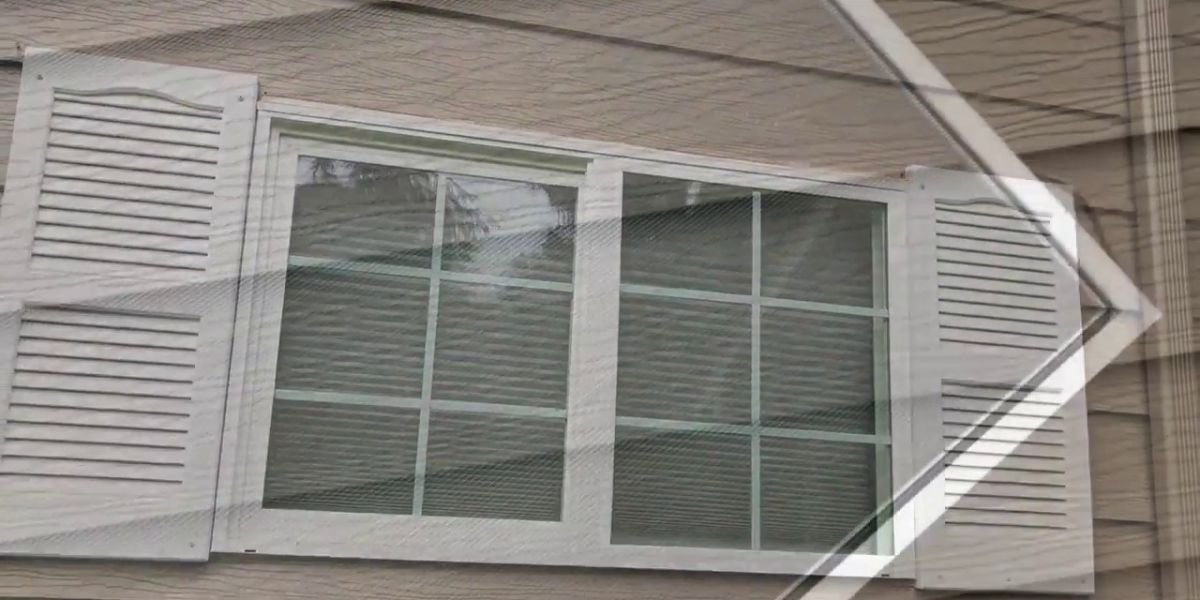
Addressing minor exterior trim flaking requires scraping, priming, and repainting with 100% acrylic latex paint. Replacing individual rotted wood boards with composite trim boards like AZEK prevents future decay. Applying manufactured stone veneer around lower accent walls and entryways adds depth, while re-cladding failing vinyl or wood siding with fiber-cement panels ensures long-term fire and pest resistance.
6. Make the Home More Energy Efficient
Energy improvements can add value in ways that are not immediately visible in photographs. Better insulation, efficient windows where existing ones are poor, improved HVAC performance, weather sealing, and efficient lighting can reduce operating costs while making the home more comfortable.
The section should avoid suggesting that every energy upgrade automatically produces a dollar-for-dollar return. The benefit depends on the property’s existing condition, local energy costs, climate, and the scale of the work. Smart thermostat hardware, such as the ecobee Smart Thermostat Premium (priced at $249) or Nest Learning Thermostat (priced at $279), offers accessible efficiency entries with low upfront investment. Air sealing and attic insulation upgrades generally cost $2,500 to $6,000 and often qualify for federal tax credits under current clean energy incentives.
Prioritizing efficiency projects starts with sealing attic bypasses, top plates, and duct joints using expanding spray foam and mastic tape. Blowing loose-fill fiberglass or cellulose insulation into the attic floor up to R-49 or R-60 significantly reduces heat transfer. Upgrading older, single-pane glass windows with double-pane, low-E argon-filled units and installing programmable smart thermostats optimizes HVAC runtimes automatically.
7. Take Care of Roofing, Plumbing and Electrical Problems
This is an important distinction from purely cosmetic renovation.
A new backsplash cannot compensate for a roof that needs attention or an electrical system with serious deficiencies. Buyers and home inspectors pay immediate attention to structural or mechanical issues that signal expensive upcoming repairs.
A full architectural shingle roof replacement ranges between $9,000 and $16,000 for standard residential footprints. Upgrading an outdated 100-amp electrical panel to a modern 200-amp service panel typically costs between $2,500 and $4,500.
Replacing missing, curling, or damaged roof shingles while verifying flashing around chimneys secures the envelope. Clearing and securing all rain gutters ensures downspouts discharge at least 5 feet from foundations to protect structural integrity. Upgrading outdated knob-and-tube or aluminum wiring and ensuring GFCI outlets sit near water sources eliminates safety hazards, alongside fixing active plumbing drips and outdated galvanized steel piping.
8. Improve Flooring Where It Is Worn or Dated
Flooring covers a large visual area, so damaged carpet, badly worn wood, cracked tile, or mismatched flooring can affect the way the entire house feels.
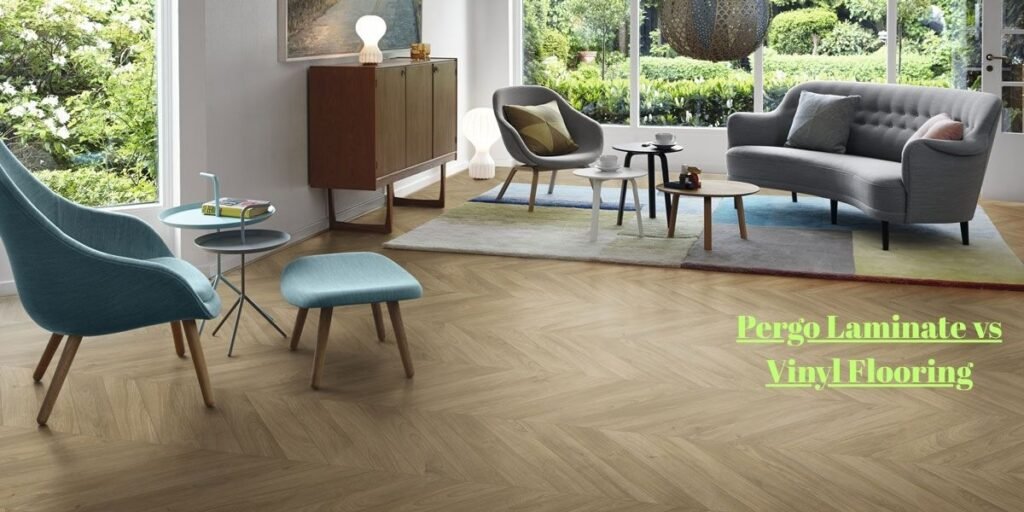
The strongest advice here is consistency. Replacing every floor in the house is not automatically necessary. Repairing quality flooring or replacing the areas that are genuinely worn can often make more sense than installing expensive materials throughout the property. High-quality Luxury Vinyl Plank (LVP) with a 20-mil wear layer costs between $3 and $7 per square foot for materials, offering water resistance and durability. Refinishing existing solid hardwood floors generally runs $3 to $6 per square foot, which is significantly cheaper than full replacement.
Refinishing existing solid hardwoods makes sense over tearing them out if wood thickness allows. Removing stained, worn carpeting in high-traffic zones and replacing it with continuous hard-surface flooring creates a cleaner look. Unifying disparate flooring types across main living spaces builds continuous visual flow, while regrouting or deep-cleaning tile installations revives entryways and utility spaces.
9. Add Useful Outdoor Living Space
A well-planned deck, patio, or usable outdoor area can extend the living space of a home. The important distinction is between usable outdoor space and expensive landscaping for its own sake.
Current Cost vs. Value data includes both wood and composite deck additions among projects that recover a substantial portion of their cost nationally. A standard 16×20 foot pressure-treated wood deck costs roughly $17,000 to $19,000 with a cost recovery of 83% to 94%. Composite deck additions cost around $23,000 to $26,000, recovering roughly 88% of costs while offering low maintenance appeal to buyers.
Designing decks and patios with direct access to kitchen or primary living areas improves functional flow. Incorporating built-in seating or defined zones for dining and conversation maximizes usable square footage. Adding integrated LED step lights and post-cap illumination provides evening safety, while selecting low-maintenance composite decking eliminates future painting and staining demands.
10. Update Lighting and Everyday Fixtures
Lighting is one of the easier ways to improve how a home looks and functions without undertaking a major renovation.
Replacing dated fixtures, improving poorly lit rooms, adding appropriate task lighting, and using consistent finishes for hardware can make an older interior feel considerably more cared for. These changes work particularly well when combined with repairs and other modest updates. Complete interior lighting updates for main living areas typically range between $800 and $2,500 for fixtures and hardware.
Swapping out dated brass or builder-grade dining room chandeliers for streamlined modern options transforms central spaces. Installing flush-mount LED disc lights in dim hallways and low-ceiling basements brightens dark areas. Standardizing interior door hardware, cabinet handles, and switch plates with uniform finishes like matte black or brushed nickel ties rooms together, while replacing mixed-color temperature light bulbs with warm, uniform 2700K to 3000K LED bulbs unifies the interior tone.