
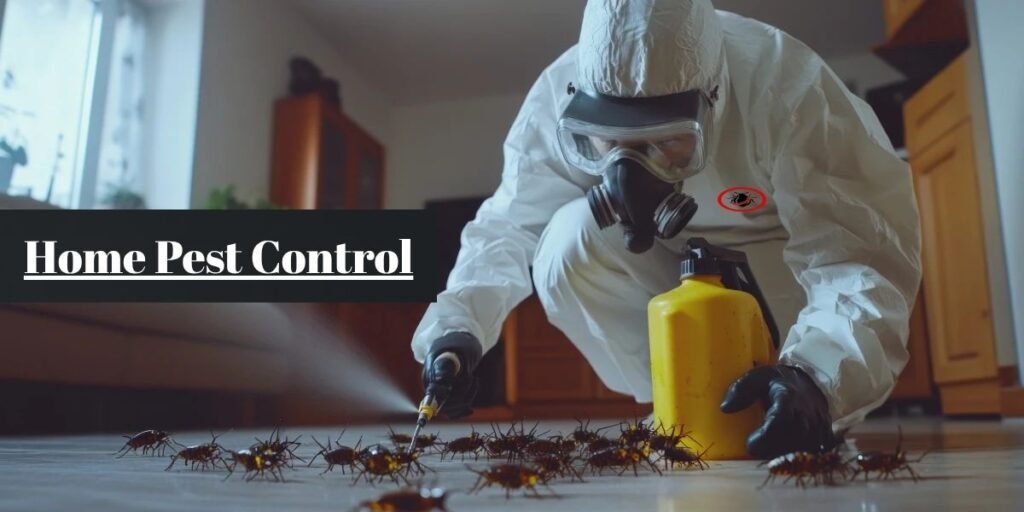
After maintaining my own residential property through years of punishing seasonal weather shifts, recurring moisture issues, and endless insect migrations, I learned a hard truth about home maintenance. According to data tracked by the National Pest Management Association, the U.S. professional pest control market continues to expand rapidly, projected to surpass $26.1 billion as homeowners face mounting pest pressures driven by dense suburban growth and shifting weather cycles.
The most effective pest control is never about reaching for stronger industrial chemicals or dumping harsh synthetic pesticides across your baseboards. It is about understanding the biological drivers behind why pests appear, inspecting your property with obsessive consistency, and applying precise, targeted products only where they are genuinely required to protect your structure.
Every recommendation in this guide comes from a hard-earned routine that I developed over decades of trial and error, prioritizing structural prevention, precise baiting strategies, and absolute safety for my family, my pets, and the surrounding local ecosystem. Managing a home requires shifting away from reactionary panic when ants suddenly swarm your kitchen counters. Instead, it demands an active, systematic mindset focused on breaking the reproductive and foraging lifecycles of common invaders long before they ever cross your physical threshold.
Why Most Pest Problems Start Outside the House
Understanding the external drivers of pest pressure completely changes how you manage your living space. Pests do not wake up inside your wall voids or basement corners by accident; they migrate indoors seeking the fundamental necessities of life, which include accessible moisture, thermal shelter, and a steady food supply.
When I walk my foundation perimeter, I look closely at moisture accumulation zones. Pooling water around concrete slabs provides the ideal breeding ground for subterranean termites, earwigs, and crawling beetles. Overgrown landscaping, dense ivy, and tree branches touching wooden siding create an unhindered highway for carpenter ants, spiders, and roof rats to bypass outdoor barriers and walk straight into attic vents or upper windows.
Standing water in unmanaged gutters or low spots in the yard turns into a massive mosquito nursery within days, producing thousands of biting adults from simple stagnation. Storing split firewood directly against exterior brick or siding creates a dark, damp fortress for carpenter ants, subterranean termites, and foraging mice.
Overflowing trash bins left unsecured near entryways emit organic volatile fatty acid odors that travel hundreds of feet downwind, drawing raccoons, opossums, and scavenging rodents from all directions. Microscopic gaps around exterior doors, worn-out vinyl weatherstripping, unsealed utility penetrations where copper plumbing enters the home, and bright high-intensity outdoor lighting that attracts nocturnal flying insects all compound the problem.
Preventing pests outside the living space eliminates up to 90% of indoor infestations before they ever have the chance to materialize inside your kitchen or living room.
The Home Pest Control Kit I Keep Ready All Year
A professional-grade toolkit makes the difference between haphazard, wasteful spraying and precise, surgical intervention. Having the right instruments and chemical formulations organized in a dedicated, locked storage bin in my garage ensures I can address emerging issues immediately without running to the hardware store mid-infestation.
Inspection tools
- A high-lumen Streamlight LED flashlight for illuminating dark foundation corners, sub-floor crawl spaces, and tight structural cracks.
- A digital Protimeter moisture meter to detect hidden plumbing leaks behind drywall that attract wood-destroying organisms.
- A telescoping inspection mirror for viewing blind spots behind heavy kitchen appliances and HVAC ductwork.
- A sturdy multi-step Little Giant fiberglass ladder for examining rooflines, soffits, and upper gutter systems safely.
- A multi-bit Klein screwdriving set for removing access panels, switch plates, and electrical outlet covers during investigations.
Safety equipment
- Heavy-duty Ansell chemical-resistant nitrile gloves to protect my skin during concentrated product handling and mixing.
- ANSI-rated 3M protective safety glasses to prevent accidental splashes, chemical drift, or wind-blown dust from entering my eyes.
- Durable Carhartt long sleeves and heavy canvas long pants for physical barrier protection against thorny brush and fiberglass insulation in crawl spaces.
- A certified 3M half-mask respirator equipped with organic vapor and particulate cartridges when working in dusty attics or applying micro-encapsulated dust formulations.
- Heavy-duty Kneepads for navigating rough gravel perimeter trenches and damp, rocky crawl spaces.
- A fully stocked First-aid kit suited for minor mechanical scrapes, chemical exposure flushing, and emergency insect sting treatment.
Treatment products
- A professional-grade Suspend SC residual insecticide concentrate containing Deltamethrin for powerful exterior perimeter barrier sprays.
- Slow-acting Advion ant gel bait stations designed to destroy entire subterranean colonies through horizontal transfer.
- High-efficacy Optigard cockroach gel bait for precise, invisible placement in hidden cabinet cracks and crevices.
- Disposable Catchmaster sticky monitoring traps to catch crawling insects and identify active pest highways in dark utility rooms.
- Traditional Victor wooden snap traps for fast, clean, and humane mechanical rodent control in basements.
- Heavy-duty ToxBox tamper-resistant outdoor bait stations secured with locked tamper-proof keys for weather-safe rodenticide placement.
- Organic-grade Harris food-grade diatomaceous earth for blowing into dry structural wall voids and electrical chases.
- Expanding stainless steel copper mesh and Dow Great Stuff Pestblock polyurethane sealant for permanent structural entry point exclusion.
- A pressurized Wasp-Freeze aerosol spray kept strictly on hand for emergency defensive situations when dealing with aggressive bald-faced hornets.
Each product serves a distinct biological purpose. Blanket spraying baseboards with a single off-the-shelf aerosol achieves nothing against subterranean pests that nest inside deep wall voids or feed exclusively on specialized bait matrices.
Before You Treat Any Pest, Follow These Safety Rules
Introducing chemical treatments, insecticides, or mechanical snap traps into a residential environment requires absolute respect for safety protocols. Overlooking basic precautions puts family members, domestic pets, and beneficial local wildlife at unnecessary risk.
Always read and follow the official product label from start to finish before opening any container. The label is not a set of friendly suggestions; it is a legally binding federal document that dictates the exact legal parameters of safe application.
Always wear the recommended personal protective equipment specified on the packaging, regardless of how minor or quick the job appears to be. Never mix different pesticide concentrates together unless the manufacturer explicitly permits the combination in writing on the registered label.
Keep children and domestic pets completely away from treated zones until the liquid product has fully dried or the application area is physically secured. Store all concentrated pesticides in their original containers, locked securely away from food supplies and entirely out of the reach of children.
Never spray or apply pesticides near food preparation surfaces, pet feeding bowls, fish aquariums, or animal enclosures. Avoid applying outdoor products indoors or indoor products outdoors, as chemical formulations are engineered specifically for their designated environmental exposure limits.
Never apply liquid treatments during high winds or immediately before heavy rainfall, which washes active ingredients directly into storm drains and local watersheds. Always wash your hands, application tools, and reusable protective equipment thoroughly with soap and water after every single pest control session.
My Monthly Home Inspection Routine
Consistency defeats pests before populations can multiply out of control. Walking a specific, unvarying path through my property every single month reveals early warning signs that allow for fast, inexpensive intervention.
Outside inspection
Start by walking the entire perimeter of your home. Examine the concrete foundation for new settling cracks, spalling concrete, or mud tubes built by subterranean termites searching for structural cellulose. Check exterior cedar siding for warping, rot, or gaps where utility lines enter the structure.
Inspect the roofline, fascia boards, and soffits for signs of nesting wildlife, squirrel chewing, or water damage from ice damming. Ensure gutters are securely attached and flowing freely away from the foundation walls.
Examine wooden decks, patios, and stairs for rotting timber or ground contact points where wood-decay fungi invite carpenter ants. Check outdoor HVAC condenser units for accumulated organic grass clippings and rodent nesting materials.
Inspect garden beds, mulch depth against the siding, and firewood stacks. Check outdoor trash storage areas for secure lids and organic residue accumulation.
Walk the fence line and inspect all outdoor water sources, hose bibs, and irrigation sprinkler heads for leaks or pooling water.
Indoor inspection
Move indoors and methodically check high-risk zones. Inspect the kitchen under sinks, behind the refrigerator, and around dishwasher plumbing lines for moisture and droppings.
Examine pantry shelving for spilled grains, flour beetles, or pantry moth activity. Check all bathrooms for leaky P-traps, loose tile grout, and ventilation issues that invite silverfish.
Inspect the laundry room for washing machine hose leaks and dryer vent lint accumulation. Examine the basement or crawl space for high relative humidity, standing water, and structural wood damage.
Check the garage for stored cardboard boxes, pet food bags, and dark corners where spiders congregate. Inspect the attic for daylight entering through the roof deck, insulation tunneling, or bat guano.
Finally, examine every window and exterior door frame for damaged weatherstripping, worn sweeps, and gaps allowing insect entry.
How My Pest Control Routine Changes as the Weather Changes
Pest biology is inextricably linked to seasonal shifts in temperature and humidity. Modifying your defensive posture throughout the year prevents seasonal surges from turning into full-scale infestations.
As temperatures begin to rise
Spring brings a massive surge in biological activity as dormant insects wake up and start foraging. Focus your efforts on stopping ants, subterranean termites, mosquitoes, and stinging insects before their populations expand exponentially.
Clear out winter debris from foundation beds, apply early-season residual insecticide barriers around exterior weep holes using Suspend SC, and inspect window screens for tears before opening windows for fresh air.
During peak insect activity
Mid-summer creates the highest pressure for outdoor pests. Adjust your lawn mowing height to three inches to retain soil moisture and deter ticks, optimize irrigation schedules to prevent pooling, keep trash bins meticulously washed out, and monitor high-traffic outdoor living areas.
Reapply exterior perimeter treatments according to product label intervals every 30 to 60 days, and use sticky traps in dark garage corners to catch fast-moving invaders.
Before pests begin looking for winter shelter
Autumn forces outdoor rodents, mice, rats, and overwintering insects to seek warm indoor havens. Seal every structural entry point using copper mesh and Dow Great Stuff Pestblock, inspect attic and crawl space insulation for gaps, trim tree branches back at least six feet from the roofline, and prepare mechanical rodent traps in strategic perimeter zones.
While pest activity slows outdoors
Winter months drive surviving pests deep into structural recesses. Continue monitoring attics, basements, utility rooms, and dark storage areas where mice, cluster flies, and silverfish remain active inside heated spaces.
Check bait stations placed in garages and basements regularly to ensure bait blocks remain fresh, dry, and free of mold.
Different Pests Require Different Strategies
Treating every bug or animal with the exact same method guarantees failure. Effective pest management requires matching your tactic to the specific biology and behavior of the target organism.
Ants
For ants, focus on baiting colonies rather than spraying visible worker trails. Spraying a repellent insecticide kills foragers instantly but causes the colony to fracture and scatter, creating multiple new satellite colonies inside your walls.
I use Advion Ant Gel Bait placed near active foraging paths; worker ants ingest the slow-acting indoxacarb formula and carry it back to share with the queen, completely collapsing the subterranean colony within days.
Mosquitoes
For mosquitoes, eliminate standing water breeding sites in plant saucers, clogged gutters, and neglected buckets before ever considering chemical yard treatments.
If adult populations peak in mid-summer, I apply a botanical or synthetic pyrethroid barrier spray like Talstar P to shaded lower foliage and shrubs where adult mosquitoes rest during daylight hours.
Cockroaches
For cockroaches, combine rigorous sanitation, structural exclusion, and targeted bait placement. I avoid broad liquid sprays in kitchens and instead apply Optigard Cockroach Gel Bait directly into dark cabinet hinges, under sink drawers, and inside refrigerator motor compartments where German cockroaches hide and breed.
Rodents
For rodents, always seal structural openings before placing traps. Trapping without exclusion simply invites new mice to walk through the exact same unsealed gap.
I seal gaps using heavy stainless steel copper mesh followed by expanding polyurethane foam, and then deploy Victor Professional wooden snap traps baited with a small dab of creamy peanut butter along baseboard runways.
Termites
For termites, understand that early detection is critical and structural infestations require professional treatment. Termites cause over $5 billion in property damage annually in the U.S. alone.
Because subterranean colonies tunnel deep beneath concrete slabs, DIY retail sprays are completely ineffective; treating an active structural infestation requires professional liquid termiticides like Termidor SC or engineered baiting stations managed by certified operators.
Stinging insects
For stinging insects like yellowjackets or hornets, emphasize keeping a safe distance, wearing protective gear, and avoiding nest removal entirely if the colony is large, elevated, or difficult to access safely.
If a small, isolated nest appears under an eave early in the season, I use a targeted knockdown spray like Wasp-Freeze at dusk when insects are dormant, but I immediately call professionals for large subterranean or wall-void nests.
Where I Use Pest Control Products—and Where I Never Do
Precision application ensures maximum effectiveness while minimizing exposure risks inside your living environment. Knowing exact placement zones prevents accidental contamination.
Appropriate treatment areas
- The concrete foundation perimeter extending three feet up the wall and three feet out onto the soil.
- Exterior door thresholds and low-level window frames.
- Dark garage corners, storage shelves, and unfinished utility rooms.
- Utility penetrations where plumbing pipes and electrical cables enter the home.
- Crawl-space access doors and foundation vents.
Forbidden treatment areas
- Kitchen countertops, food prep islands, and dining tables.
- Open food storage pantries, cereal boxes, and dishware cabinets.
- Children’s bedrooms, cribs, and indoor play areas.
- Pet feeding stations, water bowls, and animal bedding.
- Air supply vents, cold air returns, and HVAC duct interiors.
- Children’s toys, upholstered furniture, rugs, and clothing fabrics.
The Maintenance Jobs That Prevent Most Pest Problems
Ordinary home maintenance acts as your primary shield against pest pressure. Eliminating favorable environmental conditions reduces your chemical dependency significantly.
Repair leaking plumbing fixtures, dripping P-traps, and outdoor hose bibs immediately to eliminate accessible water sources. Keep roof gutters flowing freely and downspouts extended at least four feet away from the foundation.
Trim decorative shrubs, tree branches, and ground cover vegetation back so they never touch siding or roof shingles. Store firewood racks at least twenty feet away from the house and elevate logs off bare ground.
Replace damaged door sweeps and worn rubber thresholds on every exterior door. Repair or replace torn window screens across the entire home.
Improve surface drainage around the foundation by regrading soil slopes away from basement walls. Clean out garages, basements, and storage closets regularly to eliminate undisturbed nesting clutter.
Completing these tasks reduces the need for heavy pesticide usage by over 70%.
When DIY Pest Control Is No Longer the Best Option
Recognizing the limits of DIY work prevents property damage and personal injury. Certain situations demand immediate professional intervention.
Evidence of structural termite damage, such as hollowed timber or sagging floor joists, requires licensed structural pest control operators. Repeated rodent infestations persisting despite complete structural sealing indicate an overwhelming nesting population requiring professional remediation.
Bed bug infestations are notoriously difficult to eliminate with retail products and demand specialized thermal or chemical heat treatments. Large wasp, hornet, or yellowjacket nests located in elevated roof peaks, inside wall voids, or near HVAC intakes present severe stinging hazards.
Persistent German cockroach infestations inside multi-family dwellings require commercial-grade residual applications. Wildlife such as raccoons, bats, or squirrels trapped inside living spaces or attics require licensed wildlife control operators who understand state relocation laws and rabies vector protocols.
When DIY methods fall short or safety is compromised, hiring a trusted national provider or established local exterminator is the smartest operational choice. Major nationwide service providers like Terminix or Orkin offer comprehensive annual protection plans, specialized termite damage guarantees, and advanced treatments that outmatch retail products.
Framing this as a practical operational decision rather than a personal failure keeps your home secure.
The Routine That Has Worked Best for Me
Long-term domestic success comes down to a disciplined, repeatable operational framework. Regular monthly inspections catch emerging issues before they escalate.
Preventative maintenance keeps the physical envelope of your home tight and secure. Targeted treatments deployed only when necessary outperform blanket chemical spraying every single time.
Using the absolute minimum amount of product required protects your budget and your indoor air quality. Prioritizing the safety of family members, domestic pets, beneficial pollinators, and the surrounding local environment ensures sustainable living.
That is the exact routine that has consistently kept our home and yard manageable, comfortable, and pest-free year after year.
Frequently Asked Questions
What pest control products should every homeowner keep on hand?
Every homeowner should maintain a basic kit containing a high-lumen flashlight, sticky monitoring traps, ant bait stations, cockroach gel bait, wooden snap traps, diatomaceous earth, copper mesh, and exterior polyurethane sealant.
How often should I inspect my home for pest activity?
You should conduct a thorough physical inspection of both the exterior perimeter and high-risk indoor zones at least once every month.
Is it better to spray indoors or around the exterior?
Exterior barrier spraying is vastly superior because it stops crawling insects before they cross your threshold, keeping chemicals completely outside your living space.
How can I use pesticides safely around children and pets?
Always apply products strictly according to label directions, keep children and pets away until treated areas are completely dry, and store all concentrated chemicals in locked containers.
Should I wear protective equipment when applying pest control products?
Yes, you should always wear chemical-resistant gloves, safety glasses, and appropriate clothing as specified on the individual product label.
Can I combine different insecticides to make them more effective?
Never mix different pesticides together unless the manufacturer explicitly authorizes the combination on the official product label.
Which pests usually require professional treatment?
Subterranean termites, bed bugs, established German cockroach colonies, large stinging insect nests in structural voids, and wildlife intrusions require professional pest control operators.
How can I reduce the need for pesticides through home maintenance?
Fixing plumbing leaks, cleaning gutters, trimming vegetation away from siding, storing firewood away from the house, and sealing foundation gaps drastically reduce pest pressure without chemicals.
What should I do if a pest control product is accidentally spilled or misused?
Immediately consult the safety data sheet for that specific product, clean up liquid spills using absorbent material while wearing protective gear, and contact poison control or emergency medical services if human exposure occurs.
How often should exterior treatments be repeated?
Most exterior residual liquid insecticides require reapplication every 30 to 90 days, depending on local weather conditions, rainfall frequency, and product formulation ratings.