
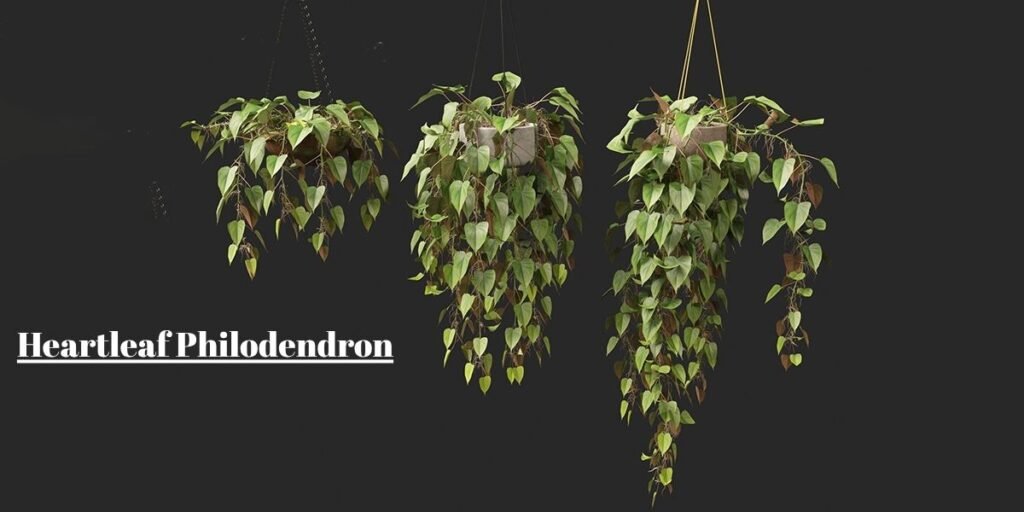
Few houseplants have brought as much joy to my living space over the years as the Heartleaf Philodendron. There is something deeply satisfying about watching its rich, heart-shaped leaves trail down a bookshelf, cascade from a hanging planter, or climb up a sturdy moss pole. I often recommend this plant to both beginners and seasoned indoor gardeners because it is remarkably forgiving, but if you want it to look truly breathtaking with thick, vibrant foliage, you need to give it more than just basic survival care.
Over time, I have learned that growing a stunning specimen comes down to mimicking its native tropical environment. Let us walk through how you can take your plant from just surviving to thriving with a lush, heavy trail of healthy foliage.
What Is a Heartleaf Philodendron?
Known botanically as Philodendron hederaceum and previously labeled as Philodendron scandens, this evergreen vine belongs to the Araceae family. In its native tropical habitats across Central America and the Caribbean, it grows as an epiphyte, using its tiny aerial roots to scale rainforest tree trunks in search of soft, filtered sunlight.
In your home, this climbing habit translates into incredible versatility. You can let the vines spill naturally over the edge of a container, or you can guide them upward on a trellis or pole. When I give mine a vertical support to climb, I notice the leaves actually grow轨迹 noticeably larger as the aerial roots anchor themselves securely.
You will often see it sold under names like sweetheart plant or parlor ivy. Despite the ivy nickname, it is not a true ivy at all. Its compact root system and fast growth rate make it one of the most adaptable houseplants you can bring indoors.
How to Grow a Healthy Heartleaf Philodendron Indoors
Give It Bright, Indirect Light
Light is the biggest factor determining how full your plant will look. I have found that my Heartleaf Philodendron grows best when placed in medium to bright, indirect sunlight. A spot set back a few feet from an east-facing window or a bright south-facing window with a sheer curtain is ideal.
While people often say this plant survives in low light, I consider low light a survival state rather than a thriving condition. When I kept one of my plants in a dim corner, the growth slowed to a crawl, and the stems grew thin and leggy, with wide gaps between the leaves.
Be careful to keep it out of harsh, direct sun. Strong direct rays passing through a window will quickly scorch those glossy leaves, leaving permanent yellow or bleached brown burn marks.
Water According to the Soil, Not the Calendar
If there is one piece of advice I always give fellow plant parents, it is to throw away the watering schedule. Humidity, room temperature, season, and pot materials constantly change how fast your soil dries out.
Before I reach for my watering can, I always test the moisture first. Stick your finger 2 inches deep into the potting soil. If it feels damp or cool, wait a couple more days. I only water thoroughly when the top 1 to 2 inches feel dry to the touch.
When you do water, soak the soil evenly until you see water flowing freely out of the bottom drainage holes. This ensures the entire root mass gets hydrated and helps flush out salt buildup. Just make sure to empty the drainage saucer after 15 minutes so your plant never sits in waterlogged soil.
Choose a Pot and Potting Mix That Protect the Roots
A healthy vine above the soil starts with happy, oxygenated roots below. Standard heavy potting soils tend to compact over time, trapping excess water and suffocating the root system.
I always mix my own lightweight, well-draining aroid mix. A mix that works exceptionally well for me is 60% quality indoor potting mix, 20% coarse perlite or pumice for aeration, and 20% orchid bark to create those essential air pockets.
Your container must have functional drainage holes. I personally love terracotta pots for philodendrons because the porous clay helps excess moisture evaporate. Plastic or glazed pots work fine too, provided your soil drains quickly. Just avoid placing a small plant in an oversized pot, as the excess wet soil will take too long to dry out, leading to root rot.
Keep It Warm and Feed It Sensibly
Coming from tropical regions, Philodendron hederaceum prefers warm indoor temperatures between 65°F and 80°F (18°C to 27°C). I make sure to keep mine away from cold winter windowpanes, drafty exterior doors, and direct air conditioning vents.
Average household humidity between 30% and 50% is completely fine, but if you can boost it above 50%, you will notice faster growth and larger, healthier leaves.
During the active growing period from spring through early autumn, I feed my plant once every 4 to 6 weeks using a balanced liquid houseplant fertilizer diluted to half-strength. Always apply fertilizer to damp soil to prevent root burn, and hold off on feeding entirely during the late autumn and winter months when growth naturally slows down.
How I Get Fuller Growth and Longer, Leafy Vines
Left to itself, a trailing vine can eventually become long, thin, and sparse. Whenever I want to transform a straggly plant into a thick, bushy display, I rely on a combination of light pruning and propagation.
Pruning forces the plant to release dormant growth buds near the cut, encouraging new lateral branches to form. It gives you control over the shape while giving you free cuttings to multiply your plant.
Here is my simple step-by-step routine for pruning and propagating:
- I grab a pair of sharp, clean shears so I get a precise cut without crushing the stem.
- I locate a node, which is the small, raised brown bump along the stem where leaves and aerial roots form.
- I make a clean cut about 1/4 inch below the node.
- I trim off the bottom leaves, keeping 2 to 3 healthy leaves at the top of the cutting.
- I pop the cutting into a glass of clean water, making sure at least one bare node stays submerged.
- I place the glass in bright, indirect light, and within 2 to 3 weeks, I usually see fresh roots sprouting.
Once those roots are about 2 to 3 inches long, I plant them straight back into the main pot alongside the mother plant. Planting several rooted cuttings together instantly fills out bare spots at the soil line, giving you that full, cascading look.
Why Is My Heartleaf Philodendron Turning Yellow or Losing Leaves?
Whenever one of my plants shows signs of stress, I treat the symptoms as clues to investigate the whole environment, checking the soil, light, and roots before making changes.
Yellowing Leaves
When I see widespread yellowing across multiple leaves, it almost always means overwatering or poor drainage. Saturated soil starves the roots of oxygen. However, if an occasional old leaf near the base of the main stem turns yellow and drops off while new growth looks fine, that is just natural aging.
Brown, Crispy Leaf Edges
Dry, crispy margins usually point to low air humidity, under-watering, or mineral salt buildup from hard tap water or fertilizer. I give the soil a good flush with distilled water to wash away residual salts and keep the moisture consistent.
Drooping or Wilting Foliage
A drooping plant can be tricky because it happens when the soil is bone dry or when the roots have rotted from severe overwatering. I always feel the soil first. If it is dry, a thorough soak will perk the leaves right back up. If it is soaking wet, I take the plant out of its pot immediately to check for root damage.
Long, Leggy Stems with Small Leaves
If you notice wide gaps between tiny leaves, your plant is telling you it needs more light. I move mine closer to a bright window and trim back the bare stems to encourage compact new growth.
Soft, Mushy Stems and Dark Roots
Dark, foul-smelling, or mushy roots are clear signs of root rot. When I encounter this, I trim away all the infected root tissue with sterile scissors, rinse the healthy roots in a mild hydrogen peroxide solution, and repot the plant into fresh, dry soil with better drainage.
Heartleaf Philodendron Varieties You Should Know
While I love the classic solid green variety, there are a few striking cultivars I have added to my collection over time that bring incredible color variations:
- Philodendron hederaceum ‘Brasil’: One of my absolute favorites, featuring a vibrant splash of lime green and bright yellow down the center of each leaf.
- Philodendron hederaceum ‘Lemon Lime’: Offers brilliant neon-yellow to lime-green leaves that instantly brighten up a room.
- Philodendron hederaceum ‘Rio’: A beautiful collector variety with silver, cream, and mint green stripes against dark foliage.
- Philodendron hederaceum var. micans: Known as the Velvet Leaf Philodendron, it has velvety, iridescent leaves that emerge in bronze and copper tones before maturing to deep green.
If you choose variegated varieties like ‘Brasil’ or ‘Rio’, keep in mind they need slightly brighter indirect light than the plain green version. In low light, they will start losing their bright patterns and revert to solid green.
When to Repot Your Plant
Heartleaf Philodendrons like being slightly root-bound, so you will not need to repot very often; usually once every 1 to 2 years is plenty.
Here are the signs I look for before deciding it is time to repot:
- Roots dense and visibly growing out of the bottom drainage holes.
- Water running straight through the pot without absorbing, meaning the pot is all roots and very little soil.
- Growth slowing down significantly during spring and summer despite proper light and feeding.
- The soil drying out so fast that you have to water every 2 days.
When I repot, I choose a container that is just 1 to 2 inches larger in diameter than the current one. I gently loosen the root ball, shake off old soil, and set the plant into a fresh mix at the same depth. A good watering and a spot in bright, indirect light help it settle quickly.
Read More: 15 Best Shade-Loving Plants for Hanging Baskets That Elevate Indoor and Balcony Beauty
Is Heartleaf Philodendron Safe for Pets?
As much as I love this plant, it is important to know that it contains insoluble calcium oxalate crystals, which make it toxic to cats and dogs.
If a pet chews on the leaves, these microscopic crystals cause immediate burning in the mouth, tongue swelling, excessive drooling, and vomiting.
I always recommend keeping trailing stems trimmed or elevated high up on top shelves, wall mounts, or hanging planters out of reach of curious pets. If you suspect your pet bit into a leaf, wipe their mouth gently with a damp cloth and consult your veterinarian right away.
Frequently Asked Questions
Can my Heartleaf Philodendron grow in low light?
It can survive in low light or under office fluorescent lights, but it will not look its best. The growth will slow down, the new leaves will stay small, and the vines will eventually become long and bare.
How do I tell a Heartleaf Philodendron apart from a Golden Pothos?
They look similar, but I check the leaf texture and shape. Philodendron leaves are softer, thinner, perfectly heart-shaped, and emerge from protective sheaths called cataphylls that dry up and drop off. Pothos leaves are thicker, waxier, and slightly asymmetrical.
Can I grow this plant permanently in water?
Yes, you can keep stem cuttings in clean water for a long time. However, they will grow much slower than they would in soil, and you will need to add a few drops of liquid hydroponic fertilizer occasionally to keep the foliage healthy.
How do I make my plant look bushier quickly?
Prune the long vines just below a node, root those cuttings in water, and plant them right back into the top of the pot alongside the main plant to fill in any empty spots.
Why are the new leaves coming in so small?
When I see tiny new leaves, it usually means the plant needs more bright indirect light, has become root-bound, or needs a light dose of balanced fertilizer during its active growing season.