

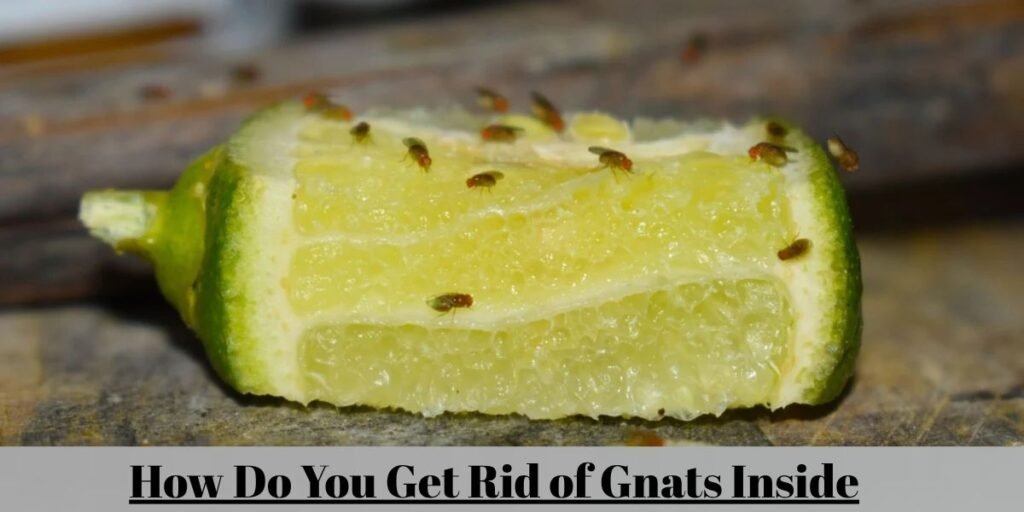
A few tiny flies hovering around your kitchen sink, bathroom window, or favorite houseplant can multiply into dozens almost overnight. American homeowners frequently use the word gnats as a catch-all term for several distinct species of small flying insects.
Solving the problem depends entirely on knowing which insect has invaded your living space. Fungus gnats, fruit flies, and drain flies breed in completely different environments, meaning that spraying commercial insecticides into the air rarely solves the root issue.
Entomological studies show that improper identification leads to failed pest management outcomes over seventy percent of the time in residential settings. This guide helps you identify your specific visitor based on biological markers, locate its hidden breeding source, eliminate attractive conditions, reduce active adults safely, and determine when a persistent issue requires professional intervention.
First, Find Out What Is Flying Around Your House
Mistaking one flying pest for another leads directly to failed treatments and wasted money. Practical identification relies on where the insects congregate and how they behave.
Fungus Gnats
These pests appear as tiny, dark, mosquito-like flies belonging to the Sciaridae family that flutter weakly near the soil surface or sit motionless on plant pot rims. You will often notice them dancing around windowsills adjacent to potted greenery or rising in small clouds immediately after watering. Their larvae live exclusively in damp potting soil, feeding on decaying organic matter, fungal hyphae, and tender plant roots. While mostly a nuisance, heavy larval populations can stunt plant growth and transmit root-rotting pathogens.
Fruit Flies
Scientifically identified as Drosophila melanogaster, these small, stout flies feature distinct red or dark eyes and hover purposefully around ripe produce, fermenting liquids, and sugary spills. They concentrate heavily around fruit bowls, potato bins, recycling receptacles, and unrinsed beverage containers rather than houseplants. Their reproductive cycle can complete in as little as eight to ten days under warm indoor conditions, explaining sudden population spikes.
Drain Flies
Known scientifically as Psychodidae, these insects are characterized by their distinctly fuzzy, moth-like wings and weak, erratic flight patterns. They cluster directly around kitchen sinks, bathroom vanities, showers, and floor drains. The visible flies indicate a thriving colony feeding on the thick organic slime and gelatinous biofilm lining the inside of plumbing pipes.
A Simple Location-Based Clue
| Where You See Them | Likely Culprit | First Place to Check |
| Around houseplants | Fungus gnats | Potting soil moisture |
| Around fruit or kitchen food | Fruit flies | Produce, spills, and trash |
| Around sinks or bathrooms | Drain flies | Pipe and drain buildup |
| Around several damp areas | Moisture-related pests | Hidden leaks and wet organic material |
Why Gnats Keep Showing Up Inside
An active indoor infestation persists because the environment provides continuous nourishment and a safe place to reproduce. Killing adult insects without addressing the underlying habitat simply invites the next generation to take their place.
Moisture and Organic Material
Excess moisture serves as the primary catalyst for both fungus gnats and drain flies. Continuously soggy potting soil supports fungus gnat development by maintaining the high humidity required for egg survival, while decomposing organic slime inside drainpipes feeds drain fly larvae.
Overwatered Houseplants
Failing to let potted soil dry out creates a reliable breeding ground. University horticulture guidelines emphasize that repeatedly saturated soil gives fungus gnats a constant food source and a safe nursery for their eggs.
Dirty or Slow Drains
Drainpipes can look clean on the surface while harboring thick layers of organic biofilm deep inside the trap. Pouring boiling water down a drain rarely eliminates this sticky buildup permanently.
Leaks and Hidden Damp Areas
Forgotten water sources behind appliances, weeping shut-off valves, damp dishcloths left in dark sinks, and condensation under vanities provide all the moisture a small population needs to explode.
Find the Breeding Site Before You Start Spraying
Systematic inspection beats random insecticide application every single time.
If They Gather Around Plants
Examine the top inch of potting soil, check saucers for standing water, look for decaying fallen leaves, and inspect roots of plants clustered together in the same room. Setting up yellow sticky traps helps capture active adults and pinpoints which specific plant pot harbors the infestation.
If They Gather Around the Kitchen
Inspect fruit bowls, check onions and potatoes stored in dark pantries, look inside recycling bins, investigate the underside of trash cans, and check for sticky spills beneath small kitchen appliances.
If They Gather Around a Sink or Bathroom
Inspect the perimeter of the drain opening, check sink overflow channels, look inside rarely used guest showers, and examine floor drains in basements or utility rooms.
How to Get Rid of Fungus Gnats From Houseplants
Eliminating fungus gnats requires breaking their life cycle inside the soil medium.
Let the Soil Surface Dry Between Waterings
Allow the top layer of potting mix to dry out completely before your next watering session. Agronomic research indicates that drying the top two inches of soil disrupts larval survival by starving and developing larvae of necessary moisture without harming established plants.
Use Yellow Sticky Traps
Placing sticky cards directly into the affected pots traps flying adults and stops them from laying new eggs in neighboring soil.
Treat the Soil When the Infestation Is Persistent
Apply a targeted biological control containing Bacillus thuringiensis subspecies israelensis, commonly known as BTI. Products like Mosquito Bits release a natural bacterial endotoxin that safely targets and kills fungus gnat larvae in the soil without affecting your plants or pets.
Repot Severely Infested Plants
For heavily damaged plants, gently brush old soil away from the roots, rinse the root system, and repot into fresh, sterile potting mix.
How to Get Rid of Fruit Flies in the Kitchen
Fruit flies reproduce at an astonishing rate when presented with a steady supply of fermenting food. True control starts with aggressive source removal rather than relying solely on traps.
Remove What They Are Feeding On
Discard overripe produce immediately or move susceptible items into the refrigerator. Wash down sticky countertops, scrub out juice spills inside cabinets, empty food waste bins daily, and thoroughly wash recycling containers before placing them in storage.
Set Up an Apple Cider Vinegar Trap
Pour a small amount of apple cider vinegar into a shallow dish and mix in a drop of liquid dish soap. The soap reduces surface tension, causing fruit flies to sink and drown instantly. While this method successfully reduces adult numbers, remember that it does not eliminate the underlying breeding source. For a reliable, ready-to-use option, many American homeowners utilize commercial fruit fly traps to manage active adults while cleaning the kitchen.
How to Get Rid of Drain Flies
Drain flies will continue to emerge until you physically remove the organic slime coating your plumbing pipes.
Physically Clean the Drain
Scrub the inner walls of the drain opening using a specialized drain cleaning brush to strip away built-up organic film. Hot water flushes alone will not dislodge this sticky residue.
Check Rarely Used Drains
Guest bathroom sinks, basement floor drains, and laundry room lines often dry out or accumulate debris. Pouring a bucket of water down these lines regularly keeps traps full and stops pests from moving upward.
Get Rid of the Adult Gnats Already Flying Around
Once you target the breeding source, you need to clear out the remaining adult population.
Using a bug zapper and handheld vacuum cleaner provides an instant, chemical-free way to suck up clusters of visible flies resting on windowsills or walls. Combining mechanical removal with yellow sticky cards and vinegar traps clears the air quickly without introducing harsh aerosols into your living areas.
What About Insect Sprays?
Aerosol room sprays offer temporary satisfaction by killing exposed adult insects on contact, but they fail to stop new generations from hatching out of damp soil, dirty drains, or forgotten fruit.
If you choose to use an insecticide, select a formulation specifically labeled for indoor use against flying pests and follow all label instructions precisely. Never spray generic chemicals directly onto food preparation surfaces, open produce, or delicate houseplants.
Why Traps Alone Don’t Stop an Infestation
Killing dozens of flying adults provides only temporary relief if the biological cycle continues undisturbed.
Eggs hatch into larvae, larvae feed on organic matter, and new adults emerge continuously. True eradication requires syncing your efforts: control the breeding environment first, treat soil or pipes second, and let traps catch the remaining adults.
Check the Rest of the House Before Calling the Problem Solved
If gnats persist after your initial round of cleaning, expand your inspection zone.
Check under every sink cabinet, inspect decorative plants in guest bedrooms, examine damp mop heads tucked away in utility closets, and look for forgotten spills behind heavy kitchen appliances. Tracing flight paths helps locate hidden moisture sources before they turn into major infestations.
How Long Does It Take to Get Rid of Gnats?
Complete elimination rarely happens overnight.
Timeline factors include the specific insect species, the size of the initial population, and whether you successfully found every hidden breeding site. While adult numbers drop sharply within a few days of setting traps and cleaning sources, managing stubborn populations can take up to two weeks as the final life cycles run out.
When Gnats Keep Coming Back
If flying insects return weeks after you thought the problem was solved, you may be dealing with a structural issue such as a slow plumbing leak behind a wall or rotting organic matter trapped beneath floorboards.
When DIY methods fail to stop a persistent infestation, contact a licensed pest control professional to inspect hidden building cavities and resolve underlying moisture problems.
Keep Gnats From Coming Back
Preventing future infestations relies on consistent daily habits:
- Water indoor plants pests according to their specific moisture needs rather than keeping soil constantly saturated.
- Promptly discard overripe fruit and clean up kitchen spills immediately.
- Rinse out recycling containers and empty indoor trash cans on a regular schedule.
- Keep sink and floor drains clean by scrubbing them regularly.
- Inspect and quarantine new houseplants before introducing them to your indoor collection.
A Simple Gnat-Elimination Plan
Today
- Identify where the insects congregate.
- Discard spoiled food, trash, and decaying matter.
- Inspect houseplants and clean accessible drains.
- Set up targeted traps.
Next
- Correct the underlying breeding source.
- Apply BTI treatments to houseplant soil if fungus gnats are present.
- Scour affected plumbing lines to remove organic buildup.
- Keep active traps running to catch lingering adults.
After That
- Monitor rooms closely for new insect activity.
- Investigate hidden plumbing leaks or secondary moisture sources if pests return.
Frequently Asked Questions
Are Gnats Harmful to People?
Common indoor gnats are nuisance pests that do not bite humans or transmit diseases, though heavy swarms can become deeply frustrating.
Why Do I Suddenly Have So Many Gnats in My House?
A sudden population explosion points directly to a newly favorable breeding environment, such as a watered houseplant, unrinsed recycling, or fresh organic buildup inside a drain.
Why Won’t Gnats Go Away After I Kill Them?
Killing flying adults does nothing to eliminate unhatched eggs and developing larvae hidden inside soil or plumbing pipes.
What Kills Gnats the Fastest?
Vacuuming visible adults provides instant relief, but long-term speed depends entirely on treating the specific breeding source, whether it is soil, food, or a drain.
Should I Throw Away an Infested Houseplant?
Rarely. Treating the soil with BTI, letting the surface dry out, or repotting the plant into fresh mix will save it in almost every case.
When Should I Call Pest Control?
Call a professional if the breeding source remains completely hidden or if the infestation persists despite thorough cleaning and targeted treatments.