
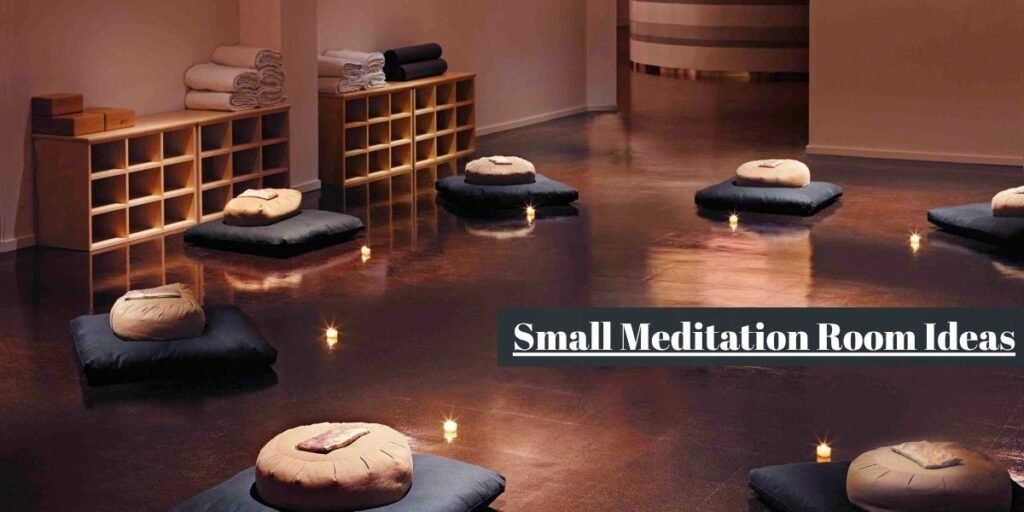
Finding dedicated floor space in a modern home is harder than the glossy design magazines admit. The typical new single-family house in the United States now runs a little over 2,200 square feet, yet almost none of those plans set aside a room reserved for stillness. That absence matters more than it used to. National Health Interview Survey figures show the share of American adults who meditate climbed from 7.5 percent in 2002 to 17.3 percent in 2022, which made meditation the single most widely used complementary health practice in the country, ahead of yoga and massage therapy. Millions of people have taken up a daily sitting practice inside homes that were never drawn to hold one.
The reassuring part is how little a working practice space actually asks for. A comfortable cross-legged seat needs roughly a 30-inch square of clear floor, and everything beyond that is comfort, light control, and a clean psychological line between the spot and the churn of domestic life. You are not building a temple. You are protecting one quiet square of floor.
Apply a few honest layout principles, borrow an architectural feature the house was already giving away for free, and almost any tight corner turns usable. The ideas below are ordered from the easiest wins to the more inventive conversions, and each one is written to survive contact with a real floor plan rather than a staged photograph.
20 Small Meditation Room Ideas
1. Turn an Empty Bedroom Corner Into a Meditation Nook
The bedroom is the obvious candidate because it is already the quietest room most people own. The trap is placing your cushion within arm’s reach of the mattress, which trains the brain to associate the spot with drowsiness rather than attention. Set your zafu or low bench in a corner that sits outside your line of sight when you are lying down, ideally on the opposite wall from the headboard. That single orientation choice keeps sleep and practice from bleeding into each other.
Keep the surrounding furniture sparse so the corner reads as deliberate rather than leftover. A flat-weave rug roughly a foot larger than your seat on each side anchors the zone visually and gives your knees a warmer surface than bare floorboards, without narrowing the walking path around the bed.
2. Set Up a Meditation Spot Beside a Window
A window gives you a grounding focal point that no wall decoration can match, which is why perimeter glass is the most reliable anchor in a small home. Sit facing the glass or turned ninety degrees to it, close enough that soft daylight reaches your hands and cushion.
The catch is heat and glare. East and south-facing windows deliver hard morning sun that turns a calm corner into a greenhouse, so hang unlined linen or a light cotton sheer to scatter the rays into an even wash. Because the outdoor view does the decorative work, you can leave the surrounding wall bare and keep the whole arrangement open and quiet.
3. Use a Closet as a Tiny Meditation Room
A closet delivers something rare in a small home, which is a genuine physical enclosure. Clear the hanging rail and floor storage down to bare walls before you judge whether it fits. Here is the honest constraint most articles skip: a standard reach-in closet is only about 24 inches deep, and a seated adult’s cross-legged footprint runs closer to 30 to 36 inches, so a shallow reach-in usually leaves you pressed against the back wall. Walk-in closets, or unusually deep reach-ins, are the ones that genuinely work.
Closets also trap stale air fast. Leave the door cracked or run a small silent fan, swap any harsh overhead bulb for a plug-in sconce with a warm 2700K LED, and use the existing door to make the whole practice disappear the moment you step out.
4. Create a Meditation Corner in a Small Apartment
Renting removes structural changes from the table, so the whole approach shifts toward modular pieces that leave when you do. Scan for the overlooked geometry first, meaning living-room alcoves, the dead strip beside a bookshelf, or the foot of the bed.
Furniture that earns its place should do two jobs. An ottoman that stores cushions inside, or a screen that folds flat against a wall, keeps the footprint honest. For the finishing touches, removable adhesive hooks rated for the weight of a fabric backdrop and non-marking felt pads under any bench let you define the space without gambling your security deposit on a patch of spackle later.
5. Keep the Floor Setup Simple With a Cushion and Rug
An overbuilt setup crammed into a tight footprint generates the exact visual stress the space is supposed to dissolve. The pairing that works almost everywhere is a supportive zafu, the round kapok or buckwheat-filled cushion carried over from Zen zazen practice, set on a low-profile rug. A traditional zafu measures around ten inches across and five inches tall when fluffed, which is enough lift to tilt the pelvis forward and take strain off the lower back.
Choose a rug that extends only a few inches past your sitting footprint so it marks the boundary cleanly. That restraint leaves the bulk of the floor open, which is what keeps a small room reading as calm rather than crowded.
6. Choose a Low Meditation Bench Instead of a Bulky Chair
Cross-legged sitting punishes tight hips and cranky knees, and for a lot of adults it simply is not sustainable past a few minutes. A seiza bench, the low angled kneeling stool used in Japanese floor culture, takes the pressure off the joints while keeping a footprint barely larger than a shoebox. A conventional armchair does the opposite, eating floor space and blocking the light paths that make a small room breathe.
Because a bench sits low, it keeps sightlines open across the room and preserves the sense of air above your head. Look for clean, simple joinery on legs that slide flat under a side table or into a cupboard the instant you finish.
7. Let Plants Bring the Space to Life
Greenery adds the color and softness a minimal corner can lack, but one honest caveat belongs here first. The famous claim that a couple of houseplants purify indoor air traces back to a 1989 NASA study run in sealed chambers, and a 2019 Drexel University reanalysis found you would need on the order of a hundred plants per room to match ordinary ventilation. So choose plants for how effortlessly they live in a low-traffic corner, not for a detox effect that does not scale.
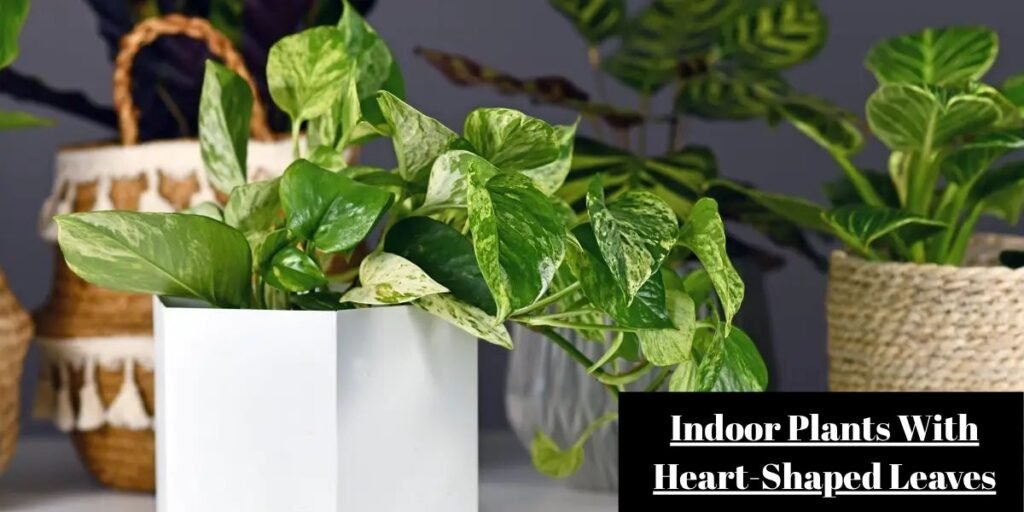
On that measure a few candidates stand out. The snake plant, reclassified by botanists from Sansevieria to Dracaena trifasciata, tolerates deep shade, forgives three or four weeks between waterings, and uniquely releases oxygen at night through CAM photosynthesis, which quietly suits a bedroom nook. The ZZ plant stores water in underground rhizomes and shrugs off neglect. Pothos trails happily from a high shelf without touching the floor, and a small parlor palm softens hard light with feathery fronds. Set whichever you pick slightly behind or beside your seat so it stays background texture rather than a thing your eyes keep returning to.
8. Use Warm Lighting for Evening Meditation
Cool overhead light is doing something specific to your body, and it is not restful. A 2026 study in Scientific Reports measured melatonin suppression across common bulbs and found cool white LEDs suppressed the sleep hormone at more than three times the rate of warm white LEDs, roughly 12 percent against 3.6 percent. That difference is why evening practice belongs under warm, layered light rather than a single ceiling fixture.
Build the light from the floor and the walls instead of overhead. A low-wattage floor lamp, a compact table lamp, or a plug-in sconce fitted with a 2700K warm-white bulb gives you the amber tone your nervous system reads as dusk. A dimmer earns its keep for late sittings. Candles offer lovely ambient glow but introduce an open flame in a cramped, textile-heavy corner, so treat them as optional and never leave one unattended.
9. Create a Japanese-Inspired Meditation Corner
A genuinely Japanese-inspired corner is built on restraint and proportion, not on ornament bought to look the part. The vocabulary is low seating, unvarnished wood, and muted tonal textiles, with deliberate empty space left around each object so the eye has somewhere to rest. That negative space is the design, not a shortage of it.
A single tatami mat laid over hard flooring does a lot of quiet work here. The traditional rush-and-straw mat runs about 176 by 88 centimeters in the Kanto standard, a touch larger in the Kansai region, and its slightly cushioned igusa surface both softens the floor and draws a clear spatial edge for the practice without a single decorative flourish.
10. Try a Soft, Bohemian Meditation Space
Where minimalism strips things back, a bohemian corner builds warmth through layered texture, which suits people who find bare rooms cold rather than calming. Stack a natural-fiber base, jute or wool, under a thick floor cushion wrapped in a soft handwoven cover, and let the materials do the atmospheric heavy lifting.
Hold the palette to muted earth tones, rust, terracotta, and olive, so the layering adds depth without tipping into visual chaos. The discipline that keeps a boho corner from sliding into clutter is a defined footprint. Contain every textile inside the boundary of the rug, and the arrangement stays intentional instead of sprawling across the floor.
11. Use a Neutral Palette to Keep a Tiny Space Feeling Open
Color changes how large a small room feels, and the physics is straightforward. Dark saturated walls absorb light and pull visual boundaries inward, while a soft envelope of warm white, taupe, pale gray, and beige reflects light and blurs the seams between surfaces so the eye cannot easily find the edges of the space.
The goal is not a colorless room. It is a room without high-contrast jumps, because every sharp transition reads to the brain as visual noise. Pull the seating, walls, and floor covering into the same tonal family and a genuinely tiny nook feels lighter and more open than its square footage has any right to.
12. Define the Meditation Area With a Small Rug
In an open-plan apartment or a shared bedroom you rarely have a wall to divide the space, so the rug becomes the boundary. A dedicated mat marks the practice zone clearly while leaving every sightline open, which is exactly the trade a small home needs.
Reach for a low-pile or flat-weave construction so the cushion sits level and stable rather than sinking into a plush pile. One detail sharpens the whole effect. Line the rug’s edge up with an existing architectural line, the run of the floorboards or the corner of a wall, and the zone instantly looks planned rather than dropped.
13. Add a Small Shelf Instead of Extra Furniture
A floor-standing side table burns square footage a tight corner cannot spare. A floating shelf solves the same storage problem by moving it onto vertical wall space that was doing nothing. Mount a single narrow wooden ledge at roughly eye level for a seated person and it comfortably holds a singing bowl, a timer, or one small plant.
The restraint is the point. A shelf carrying three considered objects reads as calm, while the same shelf packed with a dozen trinkets reintroduces precisely the clutter you cleared the floor to avoid. Curate it like a small still life and stop there.
14. Make Use of an Awkward Alcove
Most homes hide at least one recess that furniture never fits, a shallow architectural bump-out or a leftover niche beside a chimney breast. Those dead pockets make excellent built-in practice spots because the walls already frame the space for you.
Measure the internal width carefully before you buy anything, then choose a cushion or bench that sits flush inside rather than jamming into the opening. Painting the back wall of the alcove a slightly deeper, grounding tone than the surrounding room turns the recess into a natural focal point and quietly celebrates the architectural quirk instead of apologizing for it.
15. Create a Minimal Meditation Space With Almost No Decor
Emptiness here is a functional choice, not a lack of effort. Stripping a corner down to only the objects required for sitting removes the small visual hooks that pull attention outward, which is the entire reason a bare space settles the mind faster than a decorated one.
The complete kit is short. A floor cushion, a flat rug, and one soft light source cover everything the practice genuinely needs. Leaving the surrounding floor and walls deliberately bare signals that the room exists for one purpose, and that clarity is doing quiet work every time you sit down in it.
16. Use a Folding Screen for Privacy
A shared living space needs a way to block household traffic on demand, and a multi-panel folding screen is the fastest reversible partition there is. It opens in seconds, screens your sightline, and folds flat behind a door when the room reverts to its daytime job.
Material matters more than most people expect. Woven rattan, thin wooden slats, or rice-paper panels filter light into a soft glow rather than throwing the corner into shadow, which keeps the enclosed spot from feeling like a cupboard. Angle the screen to cut off the busiest view, usually a hallway or a television, so what remains in your field of vision stays calm.
17. Turn the Space Under a Staircase Into a Meditation Nook
The wedge beneath a staircase almost always degrades into a graveyard of vacuum cleaners and unlabeled boxes. Its low sloped ceiling and enclosed sides, the very things that make it awkward for storage, make it genuinely cozy for sitting once cleared.
Clearance is the deciding factor. Measure from the floor to the underside of the stair at the exact point you plan to sit, and confirm you can hold an upright posture without your head meeting the treads, which for most adults means at least three feet of overhead room. A slim wall-mounted LED lifts the dark angle out of gloom, and low-profile floor seating buys back every inch of precious headroom.
18. Create a Multipurpose Meditation Corner
In a genuinely small home, freezing floor space for an activity that fills thirty minutes a day is a hard sell, and it does not have to be one. A flexible corner can carry meditation alongside reading, gentle stretching, or journaling without diluting any of them.
The pivot piece is a firm floor cushion supportive enough for both an upright seated posture and a slouchier reading session. Keep a small lidded basket within reach to swallow journals, pens, and a yoga strap the moment you stand up, so the corner resets to a clean, ready state instead of accumulating the debris of three hobbies at once.
19. Hide Meditation Accessories When They’re Not in Use
Exposed props are the quiet killers of a calm corner. A stray timer, a heap of blankets, and a tangle of charging cables turn a considered space into visual static within a week. Concealed storage keeps everything within reach while the corner stays clean between sessions.
A few pieces earn their keep by hiding as they hold. A lidded seagrass basket swallows folded blankets, a storage ottoman doubles as a low side table while stashing prop blocks inside, and a shallow drawer under a bench keeps incense or a journal out of sight. The payoff is that the space looks ready every time you approach it, which removes one more small excuse not to sit.
20. Create a Calm Corner Around One Meaningful View
Rather than scattering a wall with small frames and objects that each ask for a sliver of attention, anchor the whole corner to a single visual element. That focus might be a window framing a tree, one clean expanse of wall, or a solitary piece of art that means something to you.
Orient your seat to face it directly. Giving the gaze one deliberate resting point reduces the mental flicker of scanning a busy field, and the corner ends up feeling both simpler and more purposeful than any gallery wall could manage. One good view, chosen on purpose, outperforms ten competing ones.
What to Put in a Small Meditation Space
Kitting out a small space is an exercise in choosing the few things that carry real weight and refusing the decorative rest. Seating comes first because posture drives everything else. A zafu lifts and tilts the pelvis, a flat zabuton mat, usually around 60 centimeters square and a few inches thick, protects ankles and knees from a cold hard floor, and a seiza bench offers a joint-friendly alternative for anyone who cannot fold comfortably. Under all of it, a low-pile wool rug or flat-weave cotton mat insulates against the floor and quietly draws the boundary of the zone.
Lighting is the second non-negotiable. A 2700K warm LED, whether in a dimmable table lamp or a plug-in wall sconce, delivers the low-melatonin-suppression glow the research supports for evening use. Storage is what keeps the whole thing sustainable, so a covered basket, a lidded ottoman, or a single wall shelf hides the props between sessions. Everything past that is a personal accent, and one is usually enough, whether that means a lone plant, a framed print, or a small singing bowl that adds warmth without crowding the floor.
Where to Put a Meditation Space When You Don’t Have a Spare Room
When no dedicated room exists, the deciding factors are sound and foot traffic, not raw square footage. The quietest corner in the house almost always beats a larger, more central room that people keep walking through, because interruption breaks a practice faster than a cramped footprint ever will.
Hunt through the secondary spaces the household underuses, a corner of the guest room, a still home office, the dead end of a hallway, or a deep window alcove. Then test the candidate at the hour you actually intend to practice. A spot that is serene at six in the morning can turn into a thoroughfare by mid-afternoon when the household wakes up, so the honest question is not whether a corner is quiet now but whether it is reliably quiet on your schedule. Choose the one that offers consistent privacy and predictable calm, and the modest size will stop mattering almost immediately.
How to Make a Small Meditation Room Feel Less Crowded
Managing scale and visual flow is what keeps a small corner from feeling like a closet you happen to sit in. A handful of interior-design fundamentals do most of the work. Reserve the floor for your seat alone and keep heavy lamps and side tables off it entirely, because open floor is what a small space reads as breathing room. Push everything you can onto the walls instead, mounting the light, the shelf, and any hooks vertically so the ground stays clear.
Scale matters just as much as placement. Oversized armchairs and thick bolster cushions overwhelm a tight room, so favor low, clean-lined pieces sized honestly to the space. Hold the palette to a simple near-monochrome range to cut the visual contrast that makes small rooms feel busy, and combine soft daylight with warm low-level electric light so the corner feels open and inviting rather than dim or clinical. None of these moves costs much. Together they change how large the space feels far more than any single purchase could.
A Few Design Choices Can Make More Difference Than More Decor
A meditation space does not succeed because of what you bought for it. It succeeds because it gives you a quiet patch of floor away from the day’s demands, a seat that supports your spine, and light gentle enough to signal your nervous system to stand down. Every genuinely useful idea above is a variation on those three things.
So start where it counts. Find the reliably quietest location your floor plan offers, arrange the seat for real postural support, dial the light down to something warm, and keep the accessories to the bare minimum you will actually use. Meditation in the United States has roughly doubled in twenty years precisely because it asks so little of the practitioner, and the room it happens in can afford to be just as modest. Functional simplicity is not the compromise here. It is the whole point, and it is what keeps the space calm, open, and ready the next time you sit down.