
Water is arguably the most consistent destructive force a residential structure faces. While many homeowners direct their attention toward roof leaks or failing plumbing, moisture migration through the basement performs quiet, long-term damage that compromises the entire building envelope.
Basement waterproofing serves as a fundamental structural preservation strategy. A dry, stable basement is not just about usable floor space. It is about preventing the insidious cycle of mold growth, reduced indoor air quality, and the inevitable degradation of concrete and wood components.
Effective waterproofing is the difference between a house that lasts a century and one that suffers from chronic structural fatigue. Whether you face damp patches, seasonal seeping, or outright flooding, understanding the interplay between soil physics and structural drainage is the only way to achieve a permanent solution.
Understanding Why Basements Leak
Many homeowners mistakenly believe that a basement leaks simply because a wall has cracked. While cracks are common entry points, the root cause almost always resides in the soil chemistry and drainage dynamics outside the home.
When rain or snowmelt saturates the soil, it creates immense pressure against your foundation. This phenomenon, known as hydrostatic pressure, forces liquid water through microscopic pores in concrete or masonry. If your home sits in a depression or has soil that retains water, this pressure can reach thousands of pounds per square foot during a heavy storm.
Common mechanical failures that lead to intrusion include:
- Improper site grading that directs surface water toward the structure.
- Gutter systems that lack sufficient downspout extensions to move water away from the foundation.
- Elevated water tables that force moisture upward into footings.
- Deteriorated mortar joints in block walls or structural cracks in poured concrete.
- Blocked or undersized window wells that overflow during intense precipitation.
Signs Your Basement Needs Waterproofing
Water damage rarely announces itself with a dramatic flood. It usually begins as a series of subtle environmental changes that suggest your basement moisture management system is failing.
You should investigate your foundation if you notice:
- Persistent musty odors, which are a hallmark of organic growth behind walls or beneath finished flooring.
- Dark brown water stains on the corners where the floor meets the wall.
- Efflorescence, which is the white, chalky mineral deposit left behind when water evaporates from concrete surfaces.
- New or widening cracks in walls, specifically those that show stair-step patterns in masonry or horizontal fissures in poured walls.
- High relative humidity levels that remain above 60 percent despite running a dehumidifier.
The Relationship Between Basement Waterproofing and Foundation Protection
Waterproofing is fundamentally a foundation protection strategy. When moisture remains in contact with your foundation, it triggers a series of destructive physical processes.
Consistent moisture causes the soil surrounding your home to swell, which exerts lateral pressure on your walls. Over time, this movement causes bowing or buckling. Furthermore, water that freezes and thaws in the soil exerts dynamic forces that can shift your home.
When water reaches the internal steel reinforcement of concrete, it causes the metal to rust. As iron rusts, it expands in volume, which causes the concrete to spall or crack from the inside out. By managing water before it reaches the foundation, you essentially eliminate the primary driver of structural settlement and concrete failure.
Interior Basement Waterproofing Methods
Interior systems focus on managing water that has already bypassed your exterior defenses. These methods are common because they are often more affordable and less invasive than large-scale excavation.
Interior Drain Tile Systems
An interior drain tile system is the gold standard for interior management. Contractors cut a channel around the perimeter of the floor, install a perforated pipe, and cover it with gravel.
This pipe collects water that enters through the wall-floor junction and directs it to a sump pump basin. By relieving the pressure beneath the slab, these systems ensure the basement floor stays dry even if groundwater levels rise.
Companies like Basement Systems provide patented drainage channels that are specifically engineered to sit on top of the footing to prevent clogging from mud.
Sump Pump Installation
A sump pump acts as the heart of your interior drainage system. It must have sufficient capacity to handle the volume of water expected during the worst recorded rainfall in your area. For professional-grade results, look for pumps from manufacturers like Zoeller or Wayne Pumps.
A professional-grade installation should always include a battery backup system. Relying solely on a primary electric pump is dangerous because power outages often occur during the very storms that generate the most water.
Systems like the Ion Storm Pro or Basement Watchdog are highly reliable backups that offer real-time text alerts to your smartphone if the primary pump fails.
Crack Injection Repairs
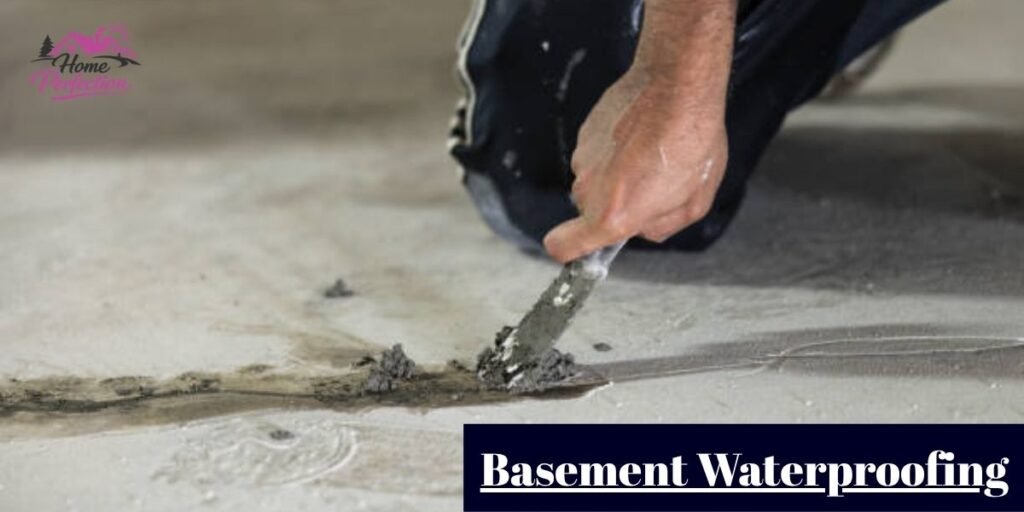
For poured concrete foundations, crack injections are a reliable way to seal specific entry points. Professionals use high-pressure equipment to force either epoxy or polyurethane foam deep into the crack.
Epoxy is typically used for structural repairs because it bonds the concrete back together with immense strength. Polyurethane is preferred for waterproofing, as it expands to fill the entire void and remains flexible if the foundation moves slightly due to thermal changes.
Kits from professional brands like RadonSeal or Foundation Armor are often used for DIY crack sealing, but structural cracks—especially those wider than a quarter-inch—require professional assessment to ensure the foundation is not failing.
Exterior Basement Waterproofing Methods
If you want to prevent water from ever touching your foundation, you must move the battle to the exterior. This approach is more intensive but offers the most comprehensive protection by stopping hydrostatic pressure at the source.
Excavation and Waterproof Membranes
The process requires excavating the soil to the footing level to expose the foundation wall. Once the surface is cleaned, professionals apply a heavy-duty liquid-applied rubberized asphalt or a peel-and-stick waterproof membrane. High-performance products from companies like GCP Applied Technologies or Carlisle provide a monolithic, seamless barrier that prevents moisture from penetrating the concrete.
The membrane is then protected by a drainage board or dimpled plastic mat, such as Delta-MS. This creates a physical air gap, allowing water to drain vertically toward the footer rather than resting against the wall. Because this process involves significant earthwork, costs for professional excavation and membrane installation typically range from $100 to $250 per linear foot.
Exterior Drainage Systems
Alongside the foundation, a perforated pipe—usually 4-inch SDR-35 or corrugated pipe—is installed at the footing level. This pipe must be sloped at a minimum of 1/8 inch per foot to carry water away to a daylight outlet or a storm sewer.
The pipe is encased in a bed of clean, washed stone, typically 3/4-inch crushed rock, and wrapped in geotextile filter fabric to prevent silt from clogging the system. If you reside in an older home, the original clay tile footing drains may have collapsed or become filled with sediment, which necessitates a full system replacement to restore proper drainage.
The Importance of Proper Grading
Many homeowners mistakenly focus on wall repairs when the true culprit is the surface soil. If the ground slopes toward your house, you are effectively creating a basin that funnels rainwater against your foundation.
The ground surrounding your foundation must slope away from the structure at a minimum pitch of one inch of drop per foot, for at least the first ten feet. If your yard lacks this slope, you must import clean, compactable fill dirt. Avoid sandy topsoil, which absorbs water, and instead use heavy clay-based soil, which acts as a natural water barrier.
In cases where the topography of your land does not allow for a consistent downward slope, you can construct a swale. A swale is a shallow, wide, grass-lined ditch designed to intercept surface runoff and redirect it to a safe discharge point, such as a backyard drain or a street storm sewer.
Gutters and Downspouts: Your First Line of Defense
Many basement water issues are caused by roof runoff. When gutters are undersized, clogged, or missing extensions, thousands of gallons of water are dropped directly into the soil surrounding your footings.
If your downspouts empty right next to the foundation, you are saturating the exact area that needs to remain dry. Best practices include:
- Clean gutter channels at least twice a year to prevent overflow.
- Extend downspout pipes at least six to ten feet away from the foundation walls using rigid PVC or corrugated plastic extensions.
- Installing buried discharge pipes that carry water to a safe distance, such as a storm drain, dry well, or daylight outlet on a slope.
Basement Window Waterproofing
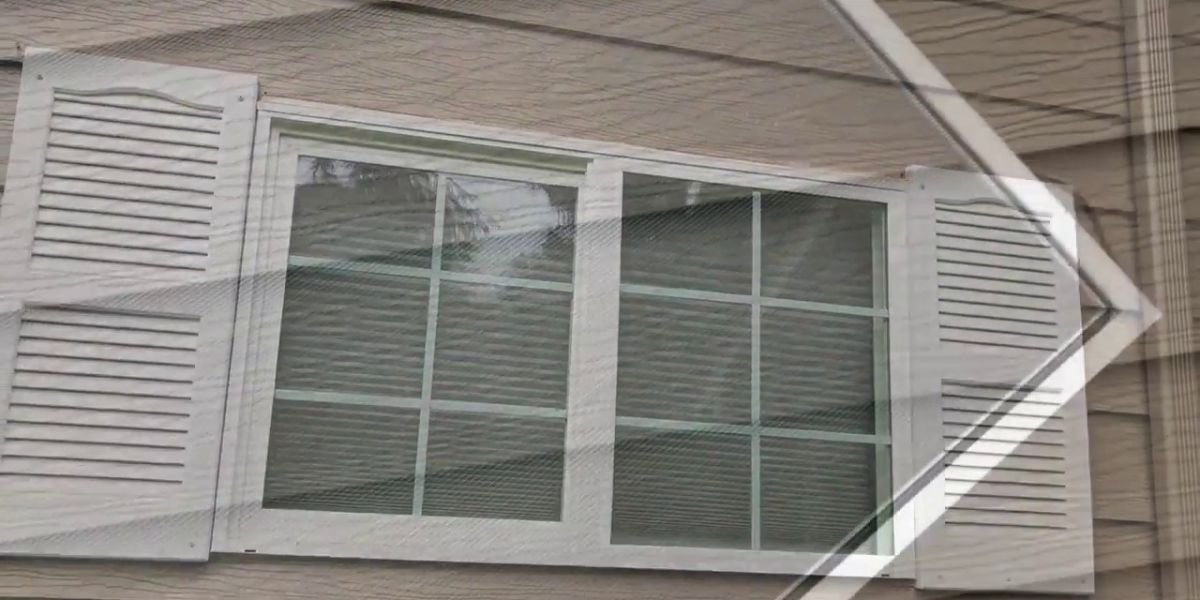
Basement windows are notoriously weak points. Unless they are perfectly flashed and sealed, they act as funnels for surface water.
If you have recessed window wells, you must ensure they are equipped with functional drainage at the bottom. If the well fills with water during a storm, the window seal will eventually succumb to the pressure.
You should always use clear, tightly fitted plastic well covers to prevent the wells from filling with leaves or rain. Ensure that the flashing—the metal strip above the window—is properly installed behind the siding to prevent water from running behind the frame and into your wall cavity.
Choosing the Right Waterproofing Solution
Selecting a strategy requires an honest assessment of your specific water intrusion patterns. Not every basement requires a total exterior excavation, which typically ranges from $15,000 to over $50,000 depending on the size and accessibility.
- For minor dampness, focus on exterior improvements. Often, cleaning gutters and correcting the grading will stop the moisture for less than $500.
- For moderate seepage, an interior perimeter drain and a high-quality sump pump system are usually sufficient. This combination relieves hydrostatic pressure and controls the moisture that manages to enter. Expect to spend $4,000 to $8,000 for a professional installation.
- For severe structural flooding, exterior waterproofing is mandatory. If you have active leaks coming through the foundation wall at multiple points or signs of bowing walls, you need to excavate to apply membranes and install functional drain tile at the footing level. This is a significant investment, often ranging from $10,000 to over $30,000, but it is the only way to fully stop water from reaching the foundation in high-water-table areas.
Final Thoughts
Basement waterproofing is one of the most valuable investments a homeowner can make in the long-term health of a property. Effective management prevents the silent deterioration of your home’s structural skeleton.
The most successful projects begin with a proper, logical diagnosis. Whether the solution involves simple grading adjustments, the installation of a redundant sump pump system, or comprehensive exterior drainage, the goal remains the same. You must control the water before it gains access to the foundation.
By proactively addressing surface drainage, maintaining your gutters, and sealing vulnerable entry points, you preserve the structural integrity of your home for decades. Do not wait for standing water to appear; if you see the warning signs of efflorescence or persistent humidity, the time to act is now.