
Weeds are the persistent tax every gardener pays to Mother Nature. I have spent years working in my own plots and helping neighbors fix their overgrown beds. One truth stands out above all else. You cannot treat weed control as a one-time weekend project. If you walk away for two weeks in the heat of July, you will find your flower beds transformed into a jungle.
Many people reach for the jug of herbicide the moment they see a dandelion. I did that too when I first started. It is a mistake. Chemical reliance creates a cycle where the soil gets weaker, and the weeds just find new ways to adapt. True success comes from managing the environment so your desired plants have the upper hand.
My approach involves a blend of smart maintenance and physical prevention. It keeps my garden looking respectable without me having to become a slave to it.
Why Weeds Keep Coming Back
I often hear fellow gardeners express frustration when their hard work seems to vanish overnight. They spend all Saturday pulling weeds, only to see new sprouts by the following Friday. When I examine these gardens, the issue is almost always the soil seed bank.
Nature keeps a massive reserve of seeds dormant in the dirt. These seeds are waiting for a specific trigger. When you till the soil or dig a hole, you bring those seeds to the surface and expose them to light. That is the dinner bell for germination. I have learned to minimize how much I disturb my garden soil for this very reason. Every time you turn the earth with a shovel, you are basically planting the next generation of weeds.
Beyond the dirt itself, your garden is an open door for invaders. I see seeds blowing over my fence constantly. Birds perch on my trellis and deposit seeds from miles away. Even my own shoes carry weed seeds into the vegetable patch. Once I stopped viewing weeds as a personal failure and started seeing them as an inevitable part of the ecosystem, I became much more efficient at managing them.
Identify the Weed Before Choosing a Control Method
I wasted a lot of time in my early gardening years spraying the wrong thing on the wrong plant. You must know your enemy before you reach for a tool.
Broadleaf Weeds
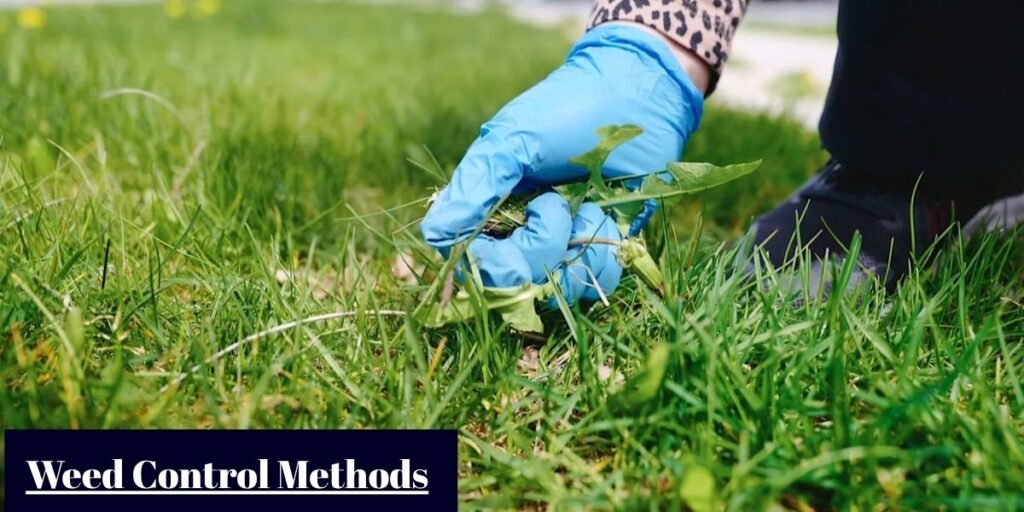
These are your classic invaders like dandelions and plantain. They have wide, flat leaves. In my lawn, I have found that a simple fishtail weeder is the best way to handle these. It goes deep into the roots. If you leave even an inch of a dandelion taproot, it will just laugh at you and grow back.
Grassy Weeds
Plants like crabgrass are my biggest headache. They look so much like my lawn grass that I often do not see them until they are already dropping seeds. I have learned that the only real way to stop crabgrass is to make the lawn so thick and healthy that there is no space left for the intruder to germinate.
Sedges
When I see yellow nutsedge in my garden, I know I have a drainage problem. It thrives in wet spots. I have tried pulling these by hand for hours, but it is useless. Every time I snap the stem, the little underground tubers stay in the soil and sprout two more plants. Now, I use specific products like SedgeHammer when the infestation gets bad because it is the only thing that actually kills the tubers.
Prevent Weeds Before They Germinate
I would much rather spend fifteen minutes in March preventing a problem than five hours in June fixing it. The best tool in my arsenal is a pre-emergent herbicide. I personally use Preen in my garden beds. You have to be careful with the timing. You want to apply it before the soil warms up enough for the weed seeds to wake up.
I also rely on thick layers of mulch. This is the ultimate barrier. When I put down three inches of wood chips or pine bark, I am effectively depriving weed seeds of the sunlight they need to turn into seedlings. If you are growing vegetables, I find that a layer of clean straw works wonders. It keeps the mud off my lettuce and stops the weeds from ever seeing the sun.
Remove Weeds Early and Completely
The golden rule of my gardening routine is to pull them while they are small. I keep a cobra head weeder in my pocket whenever I walk through the yard. If I spot a baby weed, I pop it out immediately. It takes five seconds. If I wait until that weed is the size of a dinner plate, it takes ten minutes, and I usually end up tearing up the nearby mulch or decorative plants in the process.
I always wait until after a soaking rain to do my weeding. When the ground is dry, the soil grips the roots too tightly. I always end up snapping the top off and leaving the root behind. When the ground is damp and soft, the whole plant comes out smooth and clean. I look for the satisfaction of seeing the entire root structure. If the root comes out, the job is done. If the root stays, I know I will be back in that exact spot in three days.
Keep Your Lawn Healthy to Crowd Out Weeds
I have found that a dense, dark green lawn is the most effective weapon against weeds I own. If your grass is thin, the soil stays exposed, and weeds treat that as an open invitation. In my own lawn, I stopped the habit of cutting the grass as short as possible. That was a mistake. I now keep my mower blades set high, around three to four inches. Taller grass shades the soil surface, cooling it down and preventing weed seeds from getting the light they crave to sprout.
My watering schedule changed significantly once I realized that shallow, daily watering only helps the shallow-rooted weeds. Now, I water deeply, maybe twice a week, so the moisture goes well down into the subsoil. This forces my grassroots to grow deep and strong to chase that water, while the weed seeds near the surface dry out and fail to thrive. I also make sure to fertilize at the right time, usually in the fall for cool-season grasses, to ensure the turf is thick enough to choke out any opportunistic crabgrass.
Use Mulch to Suppress Weed Growth
Mulch is the backbone of my garden maintenance. I am a firm believer that if you can see the soil, you are losing the battle. I aim for a consistent two- to three-inch layer of organic material in my beds. I have used everything from pine bark to compost, and they all work, but the key is to replenish it every single spring.
I have learned to be careful about how I apply it, though. I used to pile mulch right up against the stems of my shrubs and the trunks of my trees. I noticed this caused rot and invited pests, so now I leave a small gap, like a little moat, around the base of every plant.
I also stay away from decorative rocks or gravel as mulch. I have found those are a nightmare to keep clean as they trap dirt and leaves, eventually creating a perfect, weed-friendly compost layer on top of the stones.
Weed Control in Different Areas of Your Home
I manage my yard like a series of distinct rooms because the conditions in each one are totally different.
Flower Beds
I inspect these every two weeks. I look for the sneaky stuff like bindweed that likes to climb up my roses. For these, I find that a narrow trowel is essential to get down deep without disturbing the surrounding perennial roots.
Vegetable Gardens
This is where I am most careful. I refuse to use any kind of synthetic herbicide near my tomatoes or herbs. Instead, I use a stirrup hoe to gently slice the tops off tiny weed seedlings between my vegetable rows. It is incredibly fast and does not throw soil everywhere as a regular shovel would.
Containers and Balcony Plants
I keep these close to my house, so I notice when a weed pops up. I always use fresh potting mix every season rather than reusing old dirt, which is often full of dormant seeds. If I see a weed, I pull it immediately. In a small pot, even one dandelion can steal enough nutrients to stunt your flowers.
Paths, Patios, and Driveways
This is where I allow myself a bit more leeway. I keep a spray bottle of industrial-strength vinegar mixed with a drop of dish soap nearby. On a hot, sunny day, I spray the weeds growing in the cracks between my patio pavers. It burns the tops off within hours. It will not kill the deep roots of a persistent perennial, but for those annoying annuals, it is a quick, clean fix.
Around Trees and Shrubs
I have created a wide mulch ring around every tree in my yard. It keeps the lawn mower away from the bark, which is the best thing you can do for a tree’s health, and it eliminates the need to trim right up against the trunk. I just keep that mulch fresh and weed-free, and the trees seem much happier for it.
Natural Weed Control Methods That Work
I try to keep my garden as chemical-free as possible, not just for the environment but because I enjoy being out there with my hands in the dirt. However, I have learned through trial and error that natural methods require a bit more sweat equity and a different mindset. You are not looking for a magic bullet; you are looking for ways to tip the scales in your favor.
Hand Pulling
This is my primary strategy. I do not see it as a chore anymore; I see it as a time to observe what is happening in the garden. When I am down on my knees pulling weeds, I notice the first signs of aphids on my roses or the moment my squash starts to need more water. The trick I always share with friends is to use a Hori Hori knife. It is a Japanese gardening tool that looks like a small blade; it is perfect for digging out deep taproots while doing minimal damage to the surrounding soil structure.
Boiling Water
I save this for my driveway. When I see grass creeping up through the cracks in my pavers, I do not reach for a jug of poison. I head to the kitchen, boil a kettle, and pour it directly onto the unwanted growth. It cooks the plant right down to the root. It is incredibly satisfying and completely free, but I emphasize the word carefully. One splash of that on your favorite hostas, and they will be cooked just as fast as the weeds.
Vinegar
I use this cautiously. The stuff you buy at the grocery store works on young, tender annual weeds, but it will not touch something like a mature thistle. I have found that applying it on a very hot, bright day is the secret because the sun amplifies the drying effect of the vinegar on the leaves. But remember, vinegar does not care if it is hitting a weed or a petunia, so I only use this where I have absolute control over the spray, like on a gravel path.
When Herbicides Are the Best Option
There are times when the all-natural approach simply is not enough, and I am not ashamed to admit I occasionally need a stronger tool. If I am dealing with a massive patch of invasive brush or a lawn that has been completely overtaken by clover, I use chemical help to reset the board.
When I do this, I stick to a few strict rules. I look for selective herbicides for the lawn because these are formulated to kill broadleaf weeds without touching the grass. For fence lines where I want nothing to grow, I use a non-selective product, but I am extremely mindful of runoff. I never spray on a windy day. I have seen too many gardeners lose an entire bed of expensive perennials because a breeze carried a mist of herbicide a few feet to the left.
I also strictly follow the spot-treat philosophy. I do not believe in broadcast spraying an entire yard. I walk the perimeter with a handheld sprayer and hit only the specific plants that need it. It saves money, keeps the chemicals out of my soil, and protects the bees that I try so hard to attract.
Seasonal Weed Control Tips
My garden calendar is effectively my weed control strategy. I have learned to anticipate what is coming next.
- Spring: This is the big push. I apply my pre-emergent in early spring before the soil temperature hits fifty-five degrees. I also walk the entire perimeter to catch the first round of winter annuals before they go to seed.
- Summer: This is maintenance mode. I do a quick walkthrough every Friday morning with my morning coffee. I pull whatever has popped up during the week. Keeping the weeds from flowering in summer is critical, or you will be dealing with their babies for the next three years.
- Fall: I treat this as a cleanup season. I pull out the big, stubborn perennials. I also lay down a fresh, thick layer of mulch before the first frost. This protects the soil and makes it much harder for spring weeds to find a foothold when the season turns.
- Winter: I do not just stay inside. When the ground is frozen, I do my strategic planning. I make notes about which areas were the worst offenders, so I know exactly where to prioritize my pre-emergent applications when the thaw finally hits.
Common Weed Control Mistakes
Even experienced gardeners occasionally make choices that allow weeds to return sooner than expected. Avoiding these common mistakes can save both time and effort.
- Wait until weeds become large before removing them.
- Pulling weeds after they have already produced seeds.
- Removing only the leaves while leaving roots behind.
- Mowing the lawn too short.
- Leaving bare soil uncovered.
- Applying mulch too thinly to block sunlight.
- Watering lightly every day instead of watering deeply and less often.
- Using the wrong herbicide for the type of weed.
- Spraying herbicides on windy days.
- Treating every weed the same without identifying it first.
A Simple Weed Control Routine That Works
One of the easiest ways to stay ahead of weeds is to make weed control part of your regular gardening routine rather than waiting until the problem becomes obvious.
Every Week
Walk around your lawn and garden. Pull newly emerged weeds while they are easy to remove. Remove flower heads from weeds that cannot be dug out immediately. Check containers and raised beds for new seedlings.
Every Month
Inspect mulch and replenish thin areas. Check lawn edges, fences, and pathways where weeds often begin. Repair bare patches in lawns before weeds take hold. Clean weeds from cracks in patios and driveways.
Every Season
Refresh mulch in ornamental and vegetable beds. Feed and maintain your lawn according to its growing season. Overseed thin turf where needed. Remove stubborn perennial weeds before they spread further.
Final Thoughts
If there is one thing I want you to take away from my experience, it is this: consistency beats intensity. You do not need to spend an entire weekend killing yourself in the garden. You just need to show up a few minutes a week.
I have learned that a healthy garden is a competitive garden. If you focus on feeding your soil, picking the right plants for your specific sunlight and moisture, and keeping that soil covered, the weeds eventually give up. They stop seeing your garden as a place they can thrive.
When you reach that point, you stop being a weed fighter and start being a gardener again. Take your time, stay observant, and do not get discouraged if a few weeds sneak through. It happens to me every single year, too. The difference is just knowing how to handle them before they take over.