
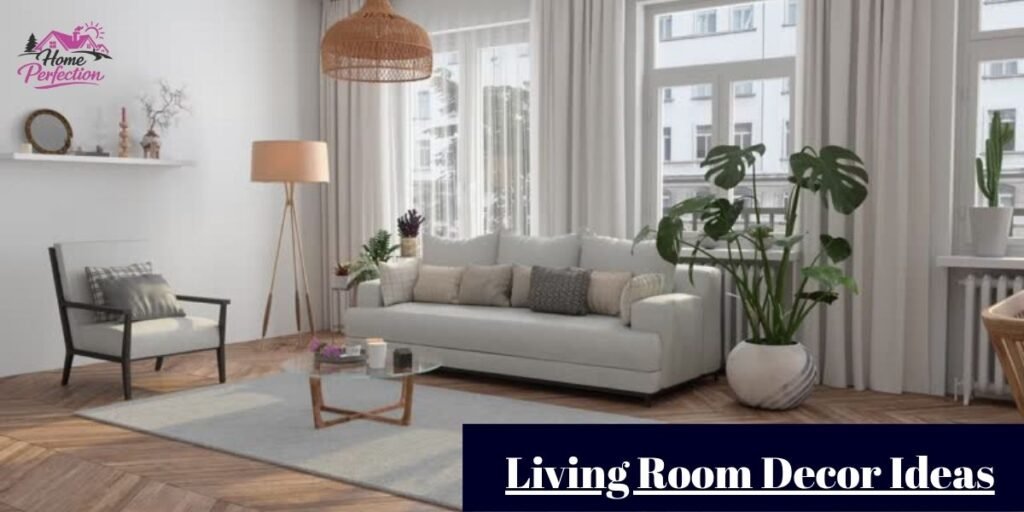
When most people start thinking about a living room refresh, their first instinct is to pull up a browser tab for a furniture retailer or scan the pages of a high-end design catalog. There is a common assumption that a space must be filled with brand new, matching items to look intentional or stylish. I used to fall into this trap too, believing that a designer look required a designer budget.
Then I started looking closer at my own home, my cluttered garage, and the local thrift scene with a different set of eyes. I realized that many of the most impressive decor pieces were not manufactured last week. They were forgotten items that just needed a new purpose.
What started as a way to save money transformed into a much more personal approach to home design. An old wooden ladder turned into a functional blanket rack. Forgotten wine crates were reorganized into modular side tables. Salvaged window frames became the perfect focal point for a blank wall. The living room is the heart of a home, and filling it with items that have history and texture is far more rewarding than buying pre-packaged sets that look identical in every catalog.
Why Upcycled Decor Works So Well in Living Rooms
Mass produced furniture often leaves a room feeling sterile or generic. When you walk into a space filled with items from a single big box store collection, the personality of the homeowner tends to disappear.
Upcycling fixes this by injecting authentic character and texture into your space. These items provide a visual history that factory made pieces simply lack. When you integrate a piece that has been repurposed, you are not just adding an object. You are adding a conversation starter that breaks up the monotony of modern, predictable design.
Sustainability is the hidden benefit here. By choosing to reuse, you are keeping materials out of the landfill and reducing the demand for new production. This design philosophy creates a living room that feels grounded, intentional, and entirely unique to your specific lifestyle.
Start by Looking at What You Already Own
The best way to start this process is not by heading to a store, but by doing a walkthrough of your existing storage areas. You need to identify items that are currently taking up space but have solid potential for a second life.
I look for materials that have structural integrity regardless of their current aesthetic condition. A scratched wooden box or a dusty metal frame is a blank slate. You should focus on items that possess strong silhouettes or interesting materials.
These are the common hidden treasures I usually find around the house:
- Old wooden furniture with good bones
- Sturdy wooden boxes or crates
- Vintage frames
- Unused baskets
- Ladders
- Mason jars
- Wooden pallets
- Books
- Window shutters
- Antique doors
Many of these objects are sitting in basements or closets, waiting for a little bit of cleaning or a fresh coat of paint to become useful again.
Turn an Old Ladder into a Decorative Blanket Rack
A wooden ladder is perhaps the most iconic and simple upcycling project for a living room. It provides a vertical element that draws the eye upward, which makes the room feel larger.
Before you bring a vintage ladder inside, you must ensure it is structurally sound. I always sand down any splintered wood to prevent damage to fabrics and finish it with a light coat of matte wax or clear oil to seal the surface.
Leaning the ladder against a wall creates a perfect system for storing and displaying textiles. You can drape your softest throw blankets or vintage quilts over the rungs. This adds a layer of softness to the room while keeping your seating area tidy. It is a functional way to organize items that often end up in a disorganized pile on the sofa.
Use Wooden Crates as Side Tables or Storage
Wooden crates bring a modular flexibility that fixed furniture cannot match. I prefer using vintage orchard crates because the wood has usually aged to a beautiful, deep patina that looks great against modern upholstery.
For a side table, you can stack two or three crates vertically to reach the perfect height next to your sofa. I recommend securing them together with small wood screws to ensure the structure remains stable. If you want to increase the storage capacity, you can even install small casters on the bottom, which allows the table to be moved around the room as needed.
These crates provide surface space on top for a lamp or a cup of coffee, while the open sides act as shelves for magazines or books. It is an efficient way to add storage to a compact living room without adding heavy visual weight.
Transform Vintage Window Frames into Wall Art
Empty walls are often the most intimidating parts of a room to decorate. Expensive canvas art can be prohibitive, but vintage window frames offer a much more affordable and structurally interesting alternative.
An old window with original paint or weathered wood provides an architectural layer that is missing in many newer homes. I like to hang large frames directly above a sofa to anchor the seating area. If the window is particularly large, you can mount a mirror behind the glass panes. This reflects light back into the room and makes the space feel significantly brighter and more open.
This is a great way to introduce a sense of depth to a room that feels too flat. The grid pattern of the panes acts as a natural frame for whatever you choose to put behind them, whether it is a photo, a mirror, or simply an empty space that lets the wall color peek through.
Convert Baskets into Decorative Storage
Most living rooms accumulate small items like remote controls, magazines, and toys that create visual clutter. Instead of buying plastic bins, I rely on baskets that have lost their original luster or shape.
A basket made of natural woven materials brings an organic, earthy feel to a living room. Even if a basket is slightly worn, it usually adds to the rustic charm. I use large floor baskets to hide bulky throw pillows, while smaller baskets placed on shelves keep gaming controllers and chargers out of sight. This keeps the space functional and clean without needing new furniture.
Upcycle Furniture with Paint and Hardware
One of the biggest transformations I have experienced comes from updating outdated furniture pieces. An old cabinet or side table that looks dated due to its color or hardware can be completely reinvented in a weekend.
I focus on sanding, priming, and applying a high-quality matte or eggshell paint. Replacing the original drawer pulls with modern brass or iron hardware instantly changes the style of the entire piece. You do not need to replace your furniture; you just need to give it a modern finish that aligns with your current room design. This is a highly cost-effective way to refresh your living room without the expense of buying new items.
Create a Plant Corner Using Repurposed Containers
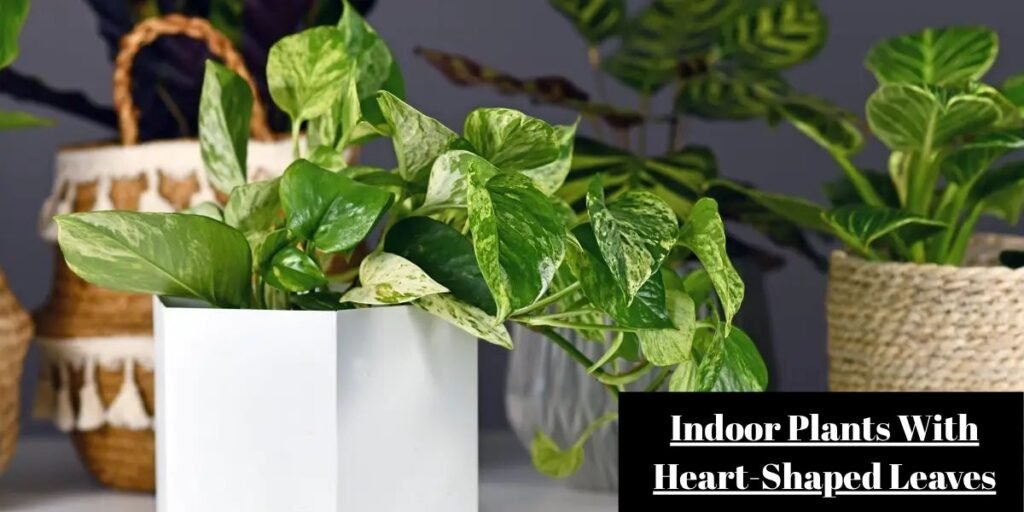
Plants are a must for any living room, but fancy pots can be surprisingly expensive. I have moved away from buying new pots and instead repurpose items like old metal buckets, ceramic bowls, and antique baskets to house my greenery.
Using a vintage ceramic bowl as a planter adds character that a standard plastic pot simply cannot offer. I make sure to place a smaller plastic container inside the repurposed vessel to hold the soil and drainage, which protects the antique material from water damage. This allows you to mix and match textures—like cool metal buckets against soft green leaves—creating a relaxed, organic look that feels very lived-in and comfortable.
Repurpose Old Doors into Coffee Tables
An antique door can serve as the ultimate statement piece in a living room. Because doors are typically made from solid wood and are built to withstand years of heavy use, they make an incredibly durable coffee table surface.
To transform a door, you first need to cut it to the appropriate length for your seating arrangement. I typically keep the original hardware and handle in place if it looks aged, as these details provide an authentic, historical aesthetic. After mounting the door onto a set of industrial hairpin legs or a reclaimed wood base, you create a low-profile centerpiece that is impossible to find in standard furniture stores.
If the door surface is too uneven for a coffee cup, I recommend placing a tempered glass top over the surface. This protects the original wood while still allowing the texture, paint chips, and hardware to remain visible as a design element.
Create Decorative Displays with Vintage Books
Old books are perhaps the most accessible decor materials available. I scout for books that feature neutral spines, linen covers, or interesting embossed lettering. These are not necessarily for reading anymore; they are for building visual layers.
You can use stacks of books to elevate smaller decorative objects, which helps create a sense of scale on a bookshelf or mantel. When you layer books of different heights, you create a dynamic display that guides the eye. I often use a stack of four or five books to act as a base for a small lamp or a sculptural vase.
Grouping books by color or by spine texture can also turn a messy bookshelf into a curated art installation. It softens the hard edges of built-in shelving and brings a sense of warmth to the living room that digital media simply cannot provide.
Use Vintage Suitcases as Decorative Storage
Suitcases from the mid-20th century are often made from high-quality materials that have stood the test of time. A vintage leather or hard-shell suitcase serves as a brilliant solution for hiding living room clutter.
You can stack two or three suitcases beside your sofa to act as a side table. Inside, they are perfect for storing extra blankets, out-of-season pillows, or board games that you do not need daily access to. Their aged appearance adds a sense of travel and history to the room, and they occupy space in a way that feels intentional rather than cluttered.
Decorate with Salvaged Architectural Pieces
Architectural salvage often provides unique decorating opportunities that turn a house into a home. When buildings are renovated or demolished, items like corbels, shutters, trim pieces, and columns are often discarded.
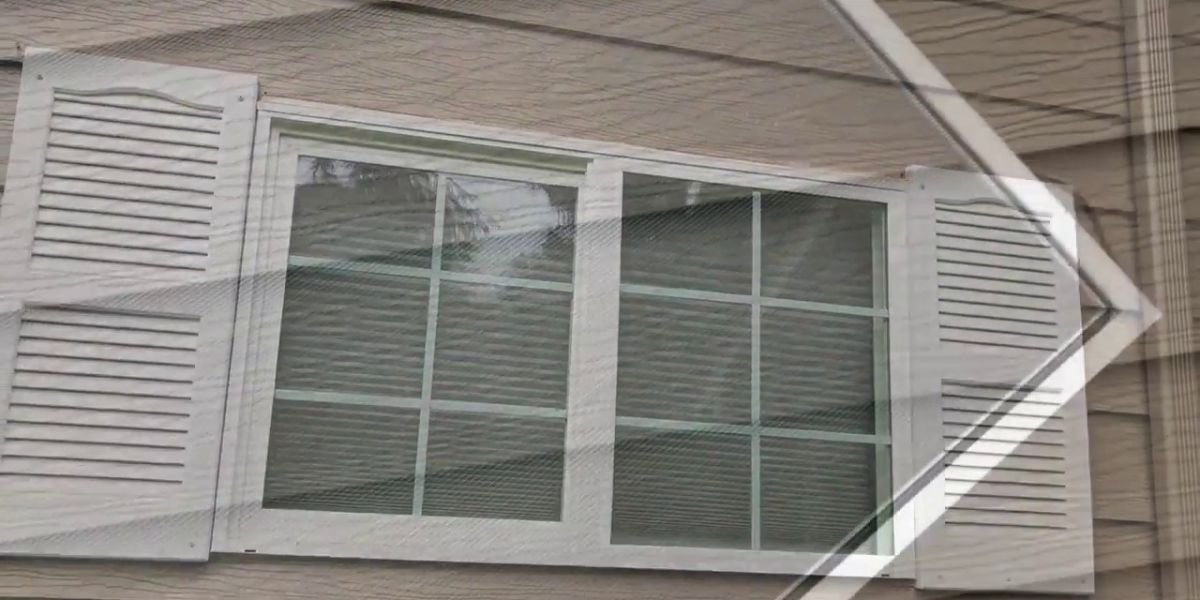
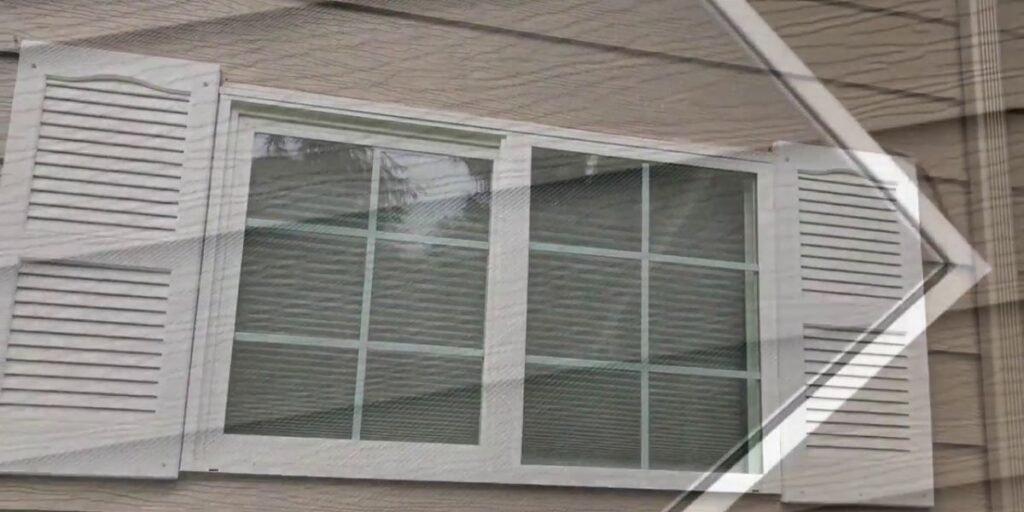
These pieces are structural art. I like to use antique corbels as shelf supports, adding an immediate sense of grandeur to a plain floating shelf. Similarly, salvaged shutters can be mounted on either side of a large mirror to create the illusion of a grand window. These items add depth and authenticity to newer homes that often lack the intricate molding and trim of historical architecture.
Common Mistakes to Avoid When Using Upcycled Decor
While repurposed decor can be beautiful, balance is essential. It is easy to go overboard, which can quickly turn a living room from curated to chaotic.
- Overcrowding: Do not feel pressured to display every vintage find you come across. Choose a few standout pieces that complement each other rather than filling every corner.
- Ignoring Functionality: A coffee table or side table should still be practical. If a repurposed piece is unstable or difficult to clean, it will become a source of frustration rather than pride.
- Style Clashes: Mixing industrial, bohemian, and farmhouse elements is fine, but try to maintain a consistent color palette or wood tone to keep the room feeling unified.
- Skipping Repairs: Always sand, tighten, or stabilize salvaged items before bringing them into the living room. A rough edge or a wobbly leg can cause damage or injury.
Budget-Friendly Sources for Upcycled Decor
You do not need to spend significant money to find great materials. I find my best pieces in places that require a little patience and a sharp eye.
- Thrift stores and Flea markets: Perfect for finding small hardware, frames, and vintage textiles.
- Estate sales: These are my favorite spots for finding larger furniture pieces or antique books in bulk.
- Garage sales: You can often find crates, ladders, and baskets for a few dollars.
- Online Marketplaces and Swap Groups: Many people want to get rid of old furniture quickly, often listing items for free just to clear the space.
My Favorite Upcycling Rule
Whenever I consider throwing something away or donating it, I ask one simple question: Could this serve a different purpose somewhere else in the house?
That mindset has led to the most interesting pieces in my living room. A crate became a bookshelf. A ladder became decor. An old window became wall art. None of them cost much money, yet they attract more attention than many of the new items I have purchased over the years. By choosing to repurpose, you build a living room that is as sustainable as it is beautiful.
Final Thoughts
The best living room decor does not need to be expensive to be effective. When you shift your perspective to look at old doors, ladders, and crates as raw building materials, you unlock a level of creativity that money simply cannot buy.
Start small. Find one item in your home that is currently serving no purpose and ask yourself how it could be used differently. Whether it is a stack of vintage books or an old window frame, these objects add personal stories and unique textures that transform a house into a home.