
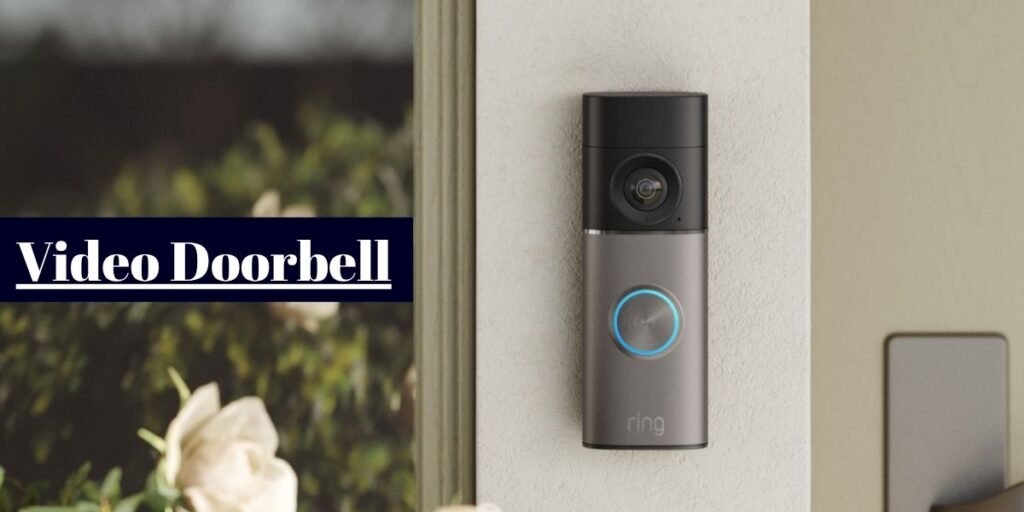
The front door is the most vulnerable point of any residence. It is the location where every delivery, service technician, and solicitor must arrive, and it is the primary target for individuals tracking your daily schedule. A video doorbell provides the critical first layer of defense by establishing a digital perimeter before a stranger ever reaches your threshold.
Modern devices have moved far beyond simple motion alerts. They now function as sophisticated edge computing devices capable of distinguishing between a neighbor walking a dog and an intruder attempting to access your home.
You are not just purchasing a camera. You are installing a gatekeeper that must remain operational through extreme heat, driving rain, and total darkness. Reliability is the only metric that matters when you are away from the property.
Why Video Doorbells Have Become a Security Essential
The shift from a passive chime to a proactive monitoring system changes the security profile of a home. A legacy doorbell provides zero information when you are at the office or traveling. A video doorbell transforms the front porch from an anonymous zone into a managed space where every event is logged, stored, and analyzed.
Visibility prevents crime. When an individual realizes they are being recorded and that their image is being uploaded to a remote server, the risk of engagement for them increases exponentially. This visibility provides:
- Instant verification of visitors regardless of your location.
- Documentation of delivery times to combat package theft.
- High quality archival footage that can be shared with law enforcement if an incident occurs.
- Deterrence through active two way communication that allows you to address visitors without opening the door.
For households managing high volumes of deliveries, this technology is no longer optional. It is the primary tool for verifying that goods arrived safely and for tracking the activity of anyone who lingers near your property after a courier leaves.
Start by Defining Your Primary Objective
Most buyers waste money by purchasing a device based on a list of features they will never actually use. You must clearly identify the specific threat model for your home. If your primary pain point is recurring package theft, your requirements differ drastically from a homeowner who needs to screen visitors for a home office.
If package protection is your goal, you need a camera that prioritizes a deep field of view. Many standard cameras focus on eye level and fail to show the ground at your feet. You require a device with an expansive vertical aspect ratio to ensure the doorstep is clearly visible.
For those focused on visitor management, the priority shifts to audio fidelity and network speed. A delay of three seconds between a visitor pressing the button and your phone receiving the notification renders the two way audio useless. You need a device with a strong wireless radio and an optimized app that initiates the live feed as quickly as possible.
Wired vs Battery-Powered Video Doorbells
The power source is the most significant decision you will face. A wired doorbell uses the existing 16 to 24 volt transformer that powered your old mechanical chime. This provides a constant stream of energy to the device, enabling it to record continuously and process complex video analytics without worrying about power depletion.
If your home was built in the last thirty years, the odds are high that you have existing wiring that can support a modern wired doorbell. Brands like Google Nest Doorbell (wired) or Ubiquiti G4 Doorbell Pro are top tier choices for these setups. They offer near instantaneous responsiveness and superior reliability because they are physically tied to the building’s electrical system.
Battery powered doorbells offer unmatched installation freedom. They allow you to secure locations where no wire exists, such as a side gate or a complex entry path in an older home. The Eufy Video Doorbell E340 is a leading example here, providing a dual camera setup that covers both the visitor and the package area.
You must understand that these units operate in a “sleep” mode to save power. When motion occurs, they have to “wake up” to start recording, which can lead to a slight delay in the notification reaching your phone.
Which Type of Video Doorbell Should You Buy?
Choosing the right hardware depends on your technical appetite and the existing infrastructure of your home.
For the average homeowner with a standard electrical setup, a wired 2K doorbell is the most effective middle ground. You get high image quality, zero battery maintenance, and a robust connection.
- Best for Reliability: Ubiquiti UniFi G4 Doorbell Pro. This is a professional grade device that runs on Power over Ethernet (PoE). It is the gold standard for anyone who wants a local, private, and lightning fast system that does not depend on cloud subscriptions.
- Best for Package Security: Eufy Video Doorbell E340. Its dual camera design is specifically engineered for homes suffering from porch piracy, as the downward facing lens keeps your packages under constant surveillance.
- Best for Ecosystem Integration: Google Nest Doorbell (wired). If you are deeply invested in the Google Home ecosystem, the facial recognition and intelligent alert processing on this device are best in class.
- Best for Renters: Ring Battery Doorbell Plus. It offers a wide field of view and a proven track record, with an installation process that requires nothing more than a few screws.
Understanding Camera Resolution
The Megapixel count is the most overvalued specification in the industry. Manufacturers often market 4K resolution as the ultimate solution for security, but a 4K camera with a small sensor will produce poor footage when the lighting is suboptimal.
1080p is the bare minimum for general observation, but you will struggle to identify facial features at a distance of more than five feet. 2K is the current sweet spot for residential use. It provides enough density to zoom in on a face or a license plate while remaining compatible with standard home Wi-Fi bandwidth limits.
Do not be seduced by 4K unless you have a dedicated high speed network and an NVR (Network Video Recorder) to handle the storage. The higher resolution files will quickly clog your network and result in fragmented footage if your internet upload speed is anything less than exceptional. Focus on the Sensor Size instead. A larger sensor will always outperform a higher resolution sensor when the sun goes down.
Features Worth Paying For
Not every premium feature marketed on the box provides tangible security benefits. Distinguishing between genuine technical advantages and clever marketing is key to a high-value purchase.
- Person and Package Detection: This is the single most important software upgrade. Advanced Artificial Intelligence analytics allow the camera to distinguish between a swaying tree branch or a passing car and a person approaching your home. This drastically reduces the alert fatigue that leads many homeowners to turn off their notifications entirely.
- Head-to-Toe Vertical Aspect Ratio: Standard cameras often feature a horizontal, landscape-oriented view that completely misses your doorstep. If you are worried about package theft, you need a camera with a tall, vertical field of view that ensures you can see a package the moment it is placed on the porch.
- Color Night Vision: Traditional infrared illumination produces a high-contrast black-and-white image that often obscures critical details like clothing color or vehicle markings. High-sensitivity sensors that maintain color information in low light provide much more actionable evidence for authorities.
Features That Are Often Overrated
Marketing departments often push specifications that sound impressive but offer little practical value in a real-world security scenario.
- Excessive Resolution (4K and Above): While 4K sounds superior, it is rarely the best choice for a doorbell camera. These files are massive, require significant network bandwidth, and are difficult to manage on mobile devices. A well-optimized 2K stream provides more than enough clarity for facial recognition without the performance bottlenecks.
- Overly Complex Zoom: Most doorbell cameras are fixed-position devices. While some apps allow for digital zoom, the optical limitations of small doorbell sensors mean that aggressive zooming just results in a blurry, pixelated image that lacks forensic value.
- Massive Feature Lists: Many premium doorbells are packed with niche settings like “familiar face recognition” that are often still in beta and frequently fail to function correctly. Stick to devices that excel at the core competencies of alerting, recording, and communicating.
Understanding Storage Options
The method you choose for saving footage defines the long-term usability and privacy of your system.
- Local Storage: Storing video on a local memory card or a dedicated Network Video Recorder (NVR) gives you complete sovereignty. You pay no monthly subscription fees, and your data remains physically on your property. This is a private, one-time investment that remains functional even if your internet connection goes down.
- Cloud Storage: Many vendors offer subscription-based services that store video on remote servers. This provides an excellent safety net; if an intruder destroys your doorbell or steals the device, the footage of the event is already stored safely off-site. The trade-off is a recurring monthly cost and a permanent dependency on the manufacturer’s ecosystem.
Many security professionals prefer a hybrid approach. Using a system like the Eufy HomeBase 3 or a UniFi setup allows you to store video locally while retaining the option for remote access, providing the best of both worlds.
Installation Considerations Most Buyers Overlook
The performance of your doorbell is fundamentally tied to the environment in which it is installed.
Before purchasing, verify your existing doorbell transformer. Many older homes have 10-volt or 12-volt transformers that do not provide enough power for modern smart doorbells. You may need to upgrade to a standard 16–24 volt transformer to ensure the device operates consistently without rebooting.
Wi-Fi signal strength at your front door is the silent killer of reliable performance. Use your mobile device to stand by your front door and run a speed test. If your connection is weak, you will experience delayed alerts and choppy, stuttering video feeds. You may need to install a Wi-Fi mesh point or a dedicated range extender near the door to provide a stable, low-latency connection.
What Should You Expect to Spend?
The market is tiered, and spending more money does not always equate to better security.
- Budget Range ($50–$120): These devices are perfectly adequate for monitoring basic visitor activity. You will likely compromise on the sophistication of the AI detection and the quality of the low-light performance.
- Mid-Range ($120–$250): This is the ideal tier for most households. You get 2K video, excellent person and package detection, reliable night vision, and polished apps. This price point represents the highest value for most homeowners.
- Premium Range ($250–$500+): These systems are aimed at power users who want deep smart home integration, professional-grade build quality, or professional monitoring capabilities. They are an investment in a larger, cohesive security ecosystem.
By focusing on reliability, power stability, and the right detection features, you can turn your front door into a robust security asset that protects your home and family for years to come.
Final Thoughts on Implementation and Maintenance
Selecting the right device is only the first step. The long-term efficacy of your video doorbell depends on how you maintain and configure the system after it is physically mounted.
Regularly test your motion zones to ensure they align with the actual movement patterns at your entry. Vegetation growth is a common culprit for false alerts as the seasons change; trim back any bushes or trees that move within the camera’s field of view to keep your detection analytics accurate.
Software maintenance is equally vital. Ensure your device is connected to your home network in a way that allows for automatic firmware updates. Security vulnerabilities are patched regularly by reputable manufacturers, and running outdated software leaves your network exposed to unauthorized access.
Finally, do not treat the video doorbell as a standalone solution for total home security. While it is an excellent tool for front-porch awareness, it does not replace the need for perimeter cameras, smart locks, or a monitored alarm system. A truly effective security strategy utilizes the video doorbell as part of a layered approach, where every device communicates to provide a comprehensive picture of your property’s status.
By grounding your decision in physical realities like power availability, network stability, and specific threat assessment, you ensure that your investment pays dividends in peace of mind rather than constant technical frustration.