
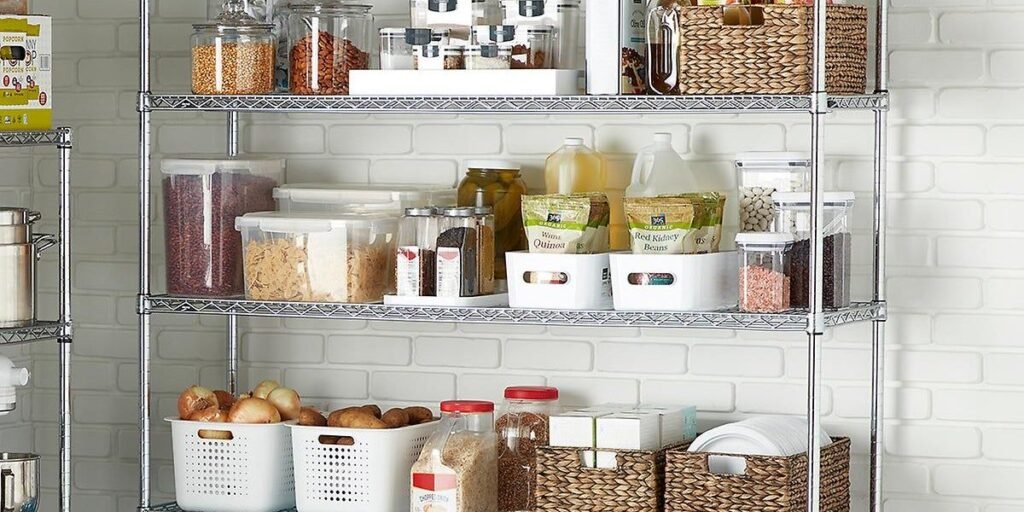
Open kitchen shelves can instantly transform a basic culinary space into a room full of architectural character, but they also expose every single item to the open air. This design choice leaves almost no room for hiding visual clutter or disorganized items. The most successful installations possess a relaxed, lived-in quality rather than looking like a rigid retail display. Everyday dishes remain within arm’s reach, a few thoughtful decorative elements add personal style, and there is ample empty wall space ensuring items never compete for attention.
Styling open shelving successfully is rarely about acquiring more decorative items. Instead, the process relies entirely on choosing, arranging, and editing what is already present in your cupboards. When you approach open storage with an editing mindset, your kitchen transforms into a functional yet visually stunning workspace. Residential interior designers frequently note that open shelving acts as a functional bridge between architecture and daily lifestyle habits, making editorial restraint far more critical than excessive decoration. Let us dive into the practical advice required to master this layout.
Think about how the shelves will be used
Function must always dictate design when dealing with open kitchen storage. An exposed shelf positioned right beside a busy food preparation zone, kitchen sink, or morning coffee station demands a completely different approach than a higher shelf reserved strictly for decorative objects.
Experienced kitchen designers always evaluate specific functional parameters before placing a single dish on a board:
- What everyday items get pulled down and washed multiple times per week
- Which essential tools must remain within an effortless, ergonomic reach
- Whether a specific shelf sits dangerously close to an active cooktop where grease accumulates
- How much physical depth the wood or metal shelf actually provides
- Whether the surrounding kitchen already features intense visual details like patterned tiles
Open shelving must work seamlessly with your daily routine. Items stored on these boards should earn their permanent spot through regular utility, making your kitchen more efficient rather than harder to clean.
Start with the pieces you already have
Your everyday dishware serves as the primary foundation for any successful open shelf layout. You do not need to run out and buy specialized decor items when your functional kitchenware already brings incredible visual value to the room.
Plates, bowls, heavy ceramic mugs, everyday drinking glasses, and large serving platters naturally introduce rich color variations, organic shapes, and tactile textures without requiring extra ornamentation. Wooden cutting boards, heavy earthenware pitchers, and attractive metal or cast-iron cookware add even more depth to the arrangement.
Kitchen architects often emphasize that building a display around high-frequency dishware prevents the styling from feeling artificial or staged. You are styling an active kitchen workspace rather than crafting a formal living room mantelpiece. This essential design distinction keeps your kitchen grounded in practical reality while maintaining high aesthetic appeal.
Bring some variation to the arrangement
Visual composition is what separates a messy stack of plates from a professionally designed focal point. A truly engaging shelf relies on a dynamic mix of scale, height, shape, and physical layering.
When a heavy stack of dinner plates sits right next to a much taller ceramic pitcher, the eye travels naturally across the display. Leaning a flat wooden serving platter directly against the wall creates an instant vertical backdrop, while placing a small artisanal bowl in front prevents the composition from feeling flat.
To achieve this visual balance organically, incorporate these specific design dynamics:
- Stacking heavy plates versus displaying individual statement pieces
- Alternating between tall vertical vessels and low horizontal bowls
- Mixing geometric rectangular shapes with soft organic curves
- Placing smaller items directly in front of larger structural backgrounds
Avoid making every single shelf in your kitchen identical. If your layout features three floating shelves stacked vertically, give each tier a unique arrangement while maintaining a unifying thread of color or material. This simple design choice prevents the wall from looking monotonous.
Use color and texture to tie everything together
Open shelves do not require a rigid, factory-matched color palette, but the items displayed should share a clear visual relationship. A cohesive display feels intentional rather than chaotic.
Classic combinations include crisp white ceramics paired with warm natural oak wood, or soft cream stoneware accented by woven rattan textures. Repeating a specific shade of pottery across multiple shelves establishes visual rhythm, while mixing transparent glassware with opaque ceramic pieces keeps the entire upper wall feeling light and airy. If your kitchen features dark walnut or black painted shelving, balancing them with pale cream dishware prevents the corner from feeling heavy or cave-like.
Professional designers recommend drawing subtle color cues from the broader room architecture. Pulling a tone from your existing tile backsplash, perimeter cabinetry hardware, or quartz countertop and repeating it on the shelving units ties the entire kitchen design together effortlessly. The ultimate goal is visual connection, not strict matching.
Give the arrangement some breathing room
Empty space is arguably the most powerful design tool in kitchen styling, yet it is frequently overlooked. Filling every square inch of a floating shelf usually results in a cluttered, heavy appearance that overwhelms the room.
Negative space gives your favorite pieces room to breathe and command attention. Separating distinct groups of dishware, leaving sections of the wall completely bare, and resisting the urge to display every single mug you own elevates the visual aesthetic instantly.
Keep this reliable designer test in mind before finishing your layout:
- Step back and view the shelving from across the dining room or hallway
- Look for spots where the display feels crowded or visually trapped
- Remove one or two smaller decorative items if the shelf feels heavy
- Allow larger statement pieces to stand alone without flanking clutter
If you keep adding items simply because a section of wood looks empty, pause and reassess. That intentional breathing room is often the exact element that makes a professional kitchen design feel effortless and high-end.
Open Kitchen Shelf Ideas That Feel Collected, Not Cluttered
1. White Ceramics on Warm Wood
Pairing natural solid wood shelves with crisp white or cream plates, bowls, and serving pieces creates an unmatched sense of timeless harmony. The organic warmth of the wood grain balances the stark brightness of the ceramics, keeping the display visually calm. Add minimal supporting decor, such as a thin cutting board or a single clear glass vessel, to complete the look without creating visual noise.
2. Everyday Dishware Within Easy Reach
Focus strictly on pure utility by transforming your daily tableware into the main visual display. Stacking dinner plates, nesting cereal bowls, and arranging rows of drinking glasses around a breakfast station or prep sink makes your kitchen exceptionally user-friendly. Useful kitchen items naturally take on a decorative quality when grouped thoughtfully by size and frequency of use.
3. Collected Pottery and Handmade Ceramics
Incorporate artisan pottery featuring unique shapes, irregular glazes, and tactile finishes that share a cohesive overall character. Slightly imperfect handmade pieces inject authentic soul and personality into a modern cooking space far better than mass-produced matching sets. Keep the total inventory strictly controlled so that a collected aesthetic never slips into overcrowding.
4. Layered Boards, Platters and Bowls
Utilize large wooden cutting boards and heavy ceramic serving platters as structural vertical backdrops against the wall. Layer smaller cereal bowls, dipping dishes, or pitchers directly in front of these flat pieces to build instant depth. This technique is especially effective for deeper shelves that otherwise tend to swallow up smaller decorative objects.
5. Soft Neutrals With Natural Texture
Build your entire upper display using warm white, muted beige, and understated stone colors. Introduce raw wood elements, woven storage baskets, or textured linen runners to add subtle warmth. This relaxed design direction suits homeowners who want their kitchen walls to feel understated, calm, and effortlessly integrated.
6. A Little Greenery Among the Dishware
Introduce small potted herbs, trailing plants, or fresh botanical branches to break up a long run of hard ceramic dishware. Keep the greenery strictly restrained so it acts as an accent rather than taking over the entire display. Thoughtful placement is critical in a working kitchen, ensuring plants stay safely away from intense cooktop heat and airborne grease splatters.
7. Vintage Pieces With Modern Kitchenware
Combine contemporary everyday plates with one or two character-rich vintage finds. Placing an antique stoneware crock, a weathered pottery pitcher, or an aged metal serving vessel among clean modern dishes introduces a powerful sense of history. The intentional friction between old and new styles creates visual depth without forcing you to commit to an entirely vintage kitchen theme.
8. Dark Shelves With Light Dishware
Install deep charcoal, dark walnut, or matte black painted shelving to create a dramatic high-contrast backdrop for bright white or pale cream ceramics. Tying this darker tone into other elements around the room, such as island cabinetry or window hardware, anchors the shelving visually. This bold approach offers a striking alternative to standard light wood floating shelves.
9. Minimal Shelves With Plenty of Breathing Room
Rely on a very small selection of large, highly deliberate objects to create a streamlined, high-end look. A minimal setup might feature just a tight stack of plates, one tall vessel, and a single wooden board. This approach shines in modern kitchens or spaces that already feature busy statement tile backsplashes and complex countertops.
10. A Working Shelf Above the Prep Area
Designate a specific shelf entirely for active culinary tasks by storing mixing bowls, measuring cups, and frequently used dry-goods jars right where you chop and mix. Keeping these hard-working elements visible streamlines your workflow while giving the kitchen an authentic, lived-in atmosphere. Practicality and aesthetics merge effortlessly when your display serves your actual cooking habits.
When the shelves still feel too busy
Stepping back to evaluate your newly styled shelves can occasionally reveal a chaotic or overwhelming layout. The quickest fix is almost always subtraction rather than addition.
Scan your display for common warning signs of visual overload:
- An excessive accumulation of tiny decorative objects
- Colors or materials that clash with the rest of the room
- Clustered items bunched heavily toward one side of the wall
- Duplicate decorative pieces competing for attention
When a section looks unsettled, remove one or two items and walk across the room to reassess the balance from the doorway. Simplifying the composition almost always brings instant clarity.
Frequently asked questions
What should you put on open kitchen shelves?
Open shelves perform best when populated primarily with everyday items like dinner plates, cereal bowls, drinking glasses, and heavy mugs. Supplement these functional pieces with a few personal touches such as wooden cutting boards, large ceramic serving platters, a small pitcher, or a restrained houseplant to give the display character.
How do you make open kitchen shelves look less cluttered?
Achieving a clean aesthetic relies heavily on intentional editing and restraint. Group items by color family or material, limit the number of tiny decorative knick-knacks, and leave generous amounts of blank wall space visible between groupings so the eye has room to rest.
How do you arrange dishes on open kitchen shelves?
Build dynamic visual composition by varying heights and shapes across the board. Place heavy stacks of plates next to taller vertical vessels like pitchers, lean flat platters against the wall as a backdrop, and position smaller bowls slightly in front of larger items to create natural depth.
Should open kitchen shelves match the kitchen cabinets?
Matching your shelves to your cabinets is completely optional. While matching wood or paint creates a uniform look, contrasting materials—such as dark walnut shelves against white cabinetry or warm oak against painted perimeter walls—add rich depth and visual interest to the kitchen.
What decorative pieces look good on open kitchen shelves?
Functional decor works best in a working kitchen environment. Consider adding natural wood cutting boards, handmade ceramic pottery with unique glazes, vintage stoneware crocks, woven textured baskets, or a small potted herb plant to bring life to the upper walls.
Are open kitchen shelves practical for everyday kitchens?
Open shelving is exceptionally practical when styled with items you use and wash on a regular basis. Keeping daily dishware within easy arm reach speeds up unloading the dishwasher and prepping meals, provided you maintain a balanced layout and keep items away from heavy grease zones.